IMPOSSIBLE WORLD: What Are the Most Amazing Places Few People Visit? | 4K Travel Documentary
TL;DR
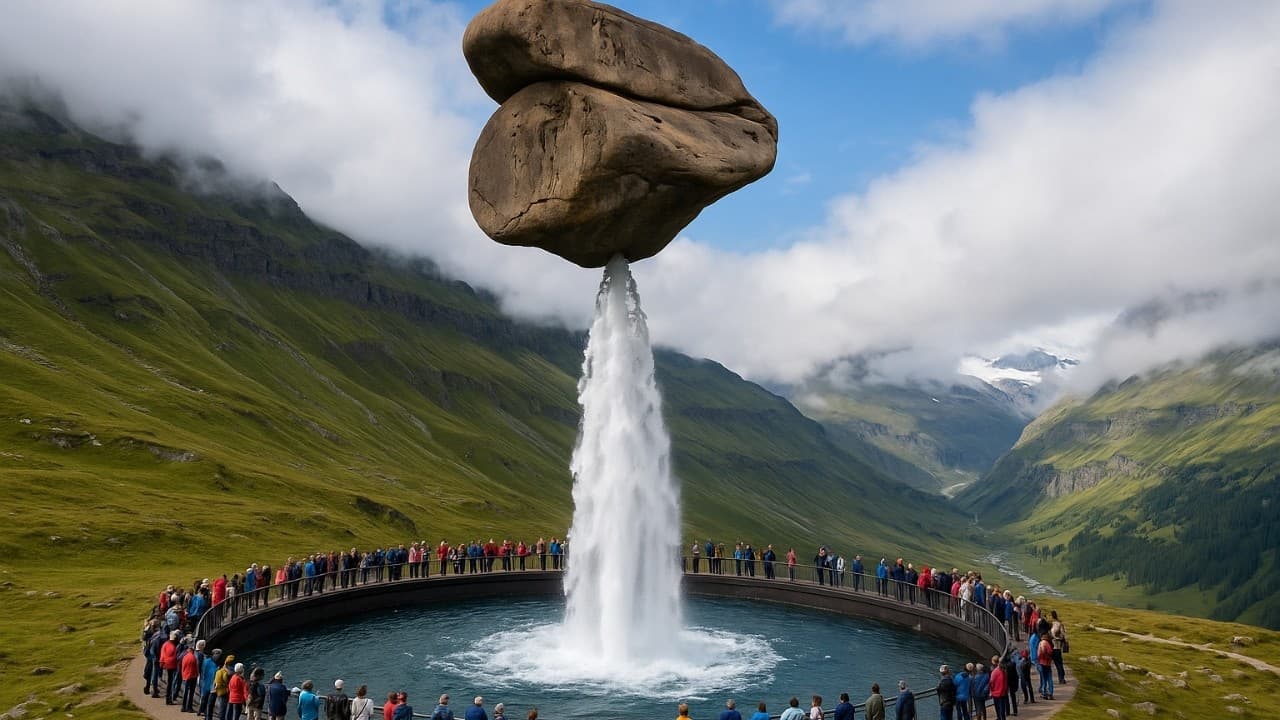
Earth’s most remarkable rarely visited wonders include Pylon del Diablo, Tougula Falls, the Austa ice cap, Sotra, Mount Fanging, Giling, and other isolated landscapes shaped by water, ice, wind, erosion, and evolution. Pylon del Diablo alone carries about 40,000 to 55,000 gallons each second. Their unusual geology, endemic species, and extreme conditions reveal why these remote places remain distinctive, and why each destination deserves a closer look.
Transcript
There are stunning places on Earth that almost no one ever visits. Hidden in deep forests, a top remote mountains or along untouched coastlines, they have remained pristine for generations. Their isolation allows the landscape to evolve naturally, shaped only by the rhythm of nature. This quiet and rare beauty makes them more special than any well-... Read More
Key Insights
- Pylon del Diablo is a powerful Andean waterfall dropping about 260 to 300 feet, with an estimated flow of 40,000 to 55,000 gallons each second. Constant moisture covers more than 70% of nearby rock surfaces with moss, lichens, and ferns.
- Tougula Falls is about 3,110 feet tall and consists of five connected drops. Wind can convert more than 70% of its water into mist, but a rain shower lasting roughly 20 minutes can rapidly restore the waterfall's full appearance.
- Austa is an ancient ice cap with ice thicker than 2,600 feet accumulated over hundreds of thousands of years. Its compressed blue layers contain old air bubbles, making deep ice cores a record of atmospheric conditions extending back to the last ice age.
- Sotra is an isolated Indian Ocean island where more than 20 million years of separation produced exceptional endemism. It contains over 300 unique plant species, while nearly 90% of its reptiles occur nowhere else, creating a natural laboratory of long-term evolution.
- Mount Fanging is a cloud-covered Chinese mountain rising above 8,430 feet and featuring enormous isolated rock pillars. Its UNESCO-protected zone covers more than 219 square miles, preserving ancient ecosystems, rare metamorphic rock, dense forest, and longstanding spiritual associations with Maitraa.
- Fuerta Ventura is the Canary Chain's oldest island, with more than 20 million years of exposed volcanic history. Persistent dry winds from North Africa erode its multicolored terrain, while prolonged minimal rainfall caused ground contraction associated with more than 180 documented fissures.
- Wo Tapu is a geothermal zone where shallow magma heats groundwater into colorful pools, streams, and boiling mud. More than 20 features contain water between 120 and 212 degrees Fahrenheit, with dissolved minerals producing yellow, red, orange, and green surfaces.
- Wave Rock is a granite formation approximately 49 feet high and nearly 360 feet long, resembling a curling ocean wave. About 2.7 billion years of weathering shaped its curve, while more than 14 minerals contribute to its brown, yellow, and black bands.
Install to Summarize YouTube Videos and Get Transcripts
Explore YouTube Video Summarizer or Get YouTube Transcript Extractor
Questions & Answers
Q: What are Earth’s most amazing places that few people visit?
The documentary highlights remote wonders including Pylon del Diablo, Tougula Falls, the Austa ice cap, Giling, Sotra, Mount Fanging, Lake Pisupok, Wo Tapu, Wave Rock, and Fuerta Ventura. Their isolation has allowed water, ice, wind, erosion, volcanic activity, and biological evolution to shape distinctive landscapes with limited interference.
Q: Why is Pylon del Diablo such a powerful waterfall?
High-mountain meltwater keeps Pylon del Diablo flowing at about 40,000 to 55,000 gallons each second throughout the year. Its water drops roughly 260 to 300 feet, creating immense pressure, constant mist, sound levels above 90 decibels, and frequent morning rainbows.
Q: How does wind change the appearance of Tougula Falls?
On windy days, more than 70% of Tougula Falls’ water can become mist, making the waterfall nearly disappear during dry periods. A rain shower lasting about 20 minutes can restore the full cascade, whose five connected drops total about 3,110 feet.
Q: Why is Austa an important record of Earth’s climate?
Austa contains ice thicker than 2,600 feet that accumulated over hundreds of thousands of years. Ancient air bubbles preserved within its compressed blue layers record atmospheric conditions extending back to the last ice age.
Q: Why does Sotra contain so many unusual species?
More than 20 million years of isolation in the Indian Ocean allowed Sotra’s organisms to evolve separately from those on other continents. The island has over 300 unique plant species, while nearly 90% of its reptiles are found nowhere else.
Q: What makes Mount Fanging a distinctive remote wonder?
Mount Fanging rises above 8,430 feet in China, where enormous isolated rock pillars emerge through ancient forest, clouds, and drifting mist. Its UNESCO-protected zone spans more than 219 square miles and preserves ancient ecosystems, rare metamorphic rock, and dense forest.
Q: How was Wave Rock formed?
Rainwater gradually dissolved minerals in an ancient granite surface, producing a curved wall resembling a breaking ocean wave. About 2.7 billion years of weathering shaped the formation, which measures approximately 49 feet high and nearly 360 feet long.
Q: What creates the colors and geothermal activity at Wo Tapu?
Shallow magma heats groundwater at Wo Tapu, creating colorful pools, streams, and boiling mud. More than 20 features contain water between 120 and 212 degrees Fahrenheit, while dissolved minerals produce yellow, red, orange, and green surfaces.
Summary & Key Takeaways
-
Remote landscapes remain distinctive because isolation allows erosion, water, ice, wind, volcanic activity, and biological evolution to continue with limited interference. The documentary surveys waterfalls, islands, mountains, lakes, ice caps, and geothermal areas whose unusual forms reveal long geological histories and highly specialized environmental conditions.
-
Several destinations demonstrate the force and variability of water. Pylon del Diablo maintains a powerful year-round flow, while Tougula Falls can largely dissolve into mist before rain restores it. Lake Pisupok offers calm, exceptionally clear water, and Dr. Cataracts forms a wind-shifted liquid curtain across immense rocky walls.
-
Other locations preserve evidence of deep time. Austa stores ancient atmospheric bubbles in compressed ice, Sotra supports hundreds of unique plant species after prolonged isolation, and Wave Rock records billions of years of weathering. Fuerta Ventura, Mount Fanging, Giling, and Wo Tapu similarly display distinctive geological or chemical processes.
Read in Other Languages (beta)
Share This Summary 📚
Summarize YouTube Videos and Get Video Transcripts with 1-Click
Try YouTube Summary with ChatGPT & Claude or YouTube Transcript Generator
Explore More Summaries from My Unreal Planet TV 📚


Summarize YouTube Videos and Get Video Transcripts with 1-Click
Try YouTube Summary with ChatGPT & Claude or YouTube Transcript Generator