How Can Grass-Fed Liver Support Aging Skin?
TL;DR
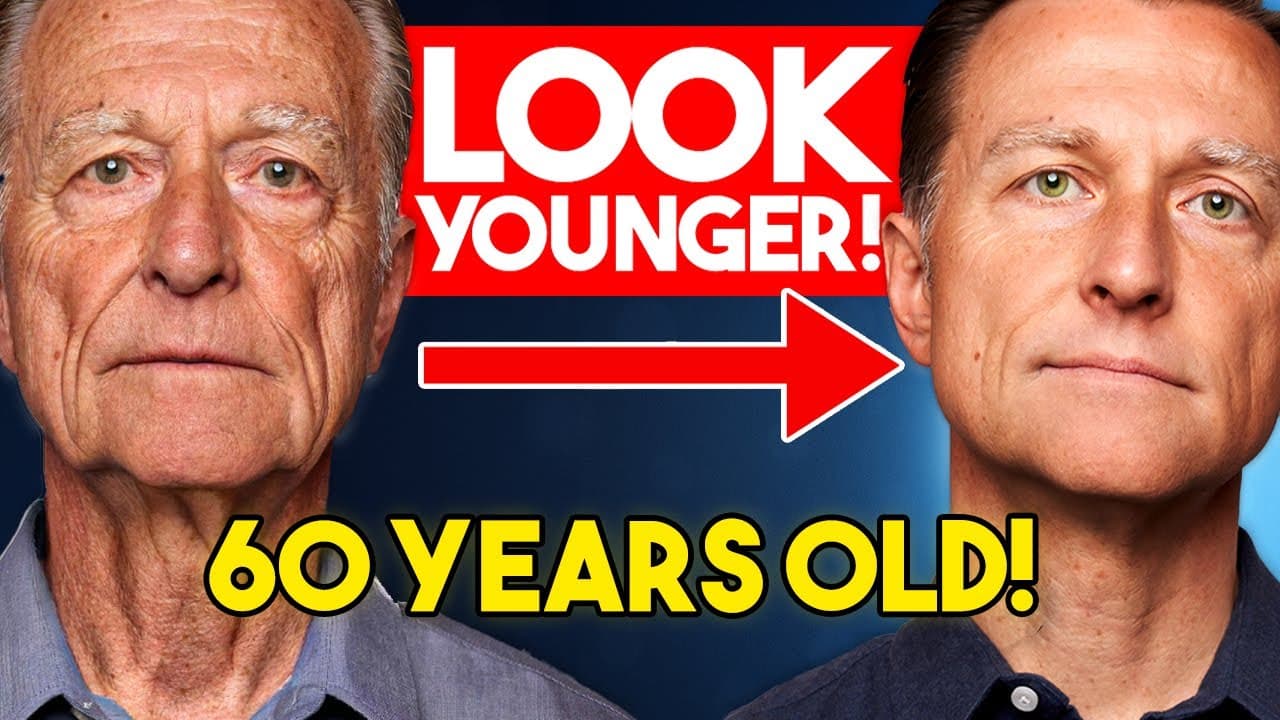
Grass-fed liver is recommended as a nutrient-dense food for aging skin because it provides vitamin A, copper, zinc, and iron, which the transcript links to connective tissue, elasticity, healing, and circulation. It can be eaten with onions and spices, blended into meat, prepared as pâté, soaked in lemon juice, or taken in small supplement amounts if its taste or daytime effects are problematic.
Transcript
the number one best food for aging skin guess what it's not collagen typically what people do for their skin is they use facial creams or moisturizers they pulled up the top selling facial creams for wrinkles and aging skin i actually read the ingredients it was shocking to me they're putting plastics chemicals things that cause cancer some of them... Read More
Key Insights
- Grass-fed liver is presented as a concentrated source of vitamin A, copper, zinc, iron, and other co-actors needed to support skin structure and appearance. The transcript recommends consuming liver consistently and observing whether the skin improves.
- Vitamin A is described as essential for building connective tissue and supporting the skin’s immune system. The transcript also links it to protecting skin cells from becoming old, making its retinol content a central reason for recommending liver.
- Copper is identified as a nutrient that supports skin elasticity, while zinc is described as important for skin healing. Liver supplies both nutrients together, which is presented as an advantage over relying on a single isolated ingredient.
- Iron is described as strengthening red blood cells, improving oxygen delivery, and supporting circulation. The transcript connects these functions to skin health and includes iron among the anti-aging nutrients naturally found in grass-fed liver.
- Topical collagen is described as unable to absorb into the skin, and dietary collagen alone is presented as insufficient. According to the transcript, skin cells also require multiple nutritional co-actors to use collagen and produce it within the skin.
- Over-cleansing and aggressive exfoliation are described as harmful because they remove beneficial microbes from the skin. The recommendation is to treat the skin gently so its protective microbiome remains intact rather than repeatedly scrubbing it away.
- Liver can be made easier to consume by soaking it in lemon juice, cooking it with spices and onions, blending small amounts into other meat, eating pâté, or taking grass-fed liver capsules. These options address both taste and convenience.
- Very low-fat diets are associated in the transcript with dry-looking skin and hair, even when they produce weight loss. Junk food, sugar, seed oils, highly refined protein, and low-quality ingredients are also described as factors that can make the body look older.
Install to Summarize YouTube Videos and Get Transcripts
Explore YouTube Video Summarizer or Get YouTube Transcript Extractor
Questions & Answers
Q: Why is grass-fed liver recommended for aging skin?
Grass-fed liver is recommended because it contains vitamin A as retinol, copper, zinc, iron, and other co-actors and raw materials associated with skin health. The transcript links vitamin A to connective tissue, copper to elasticity, zinc to healing, and iron to red blood cells, oxygen delivery, and circulation. Together, these nutrients are presented as supporting vibrant skin from within.
Q: Which nutrients in liver are linked to healthier skin?
The principal nutrients identified are vitamin A, copper, zinc, and iron. Vitamin A is described as supporting connective tissue and the skin’s immune system. Copper is associated with elasticity, zinc with healing, and iron with stronger red blood cells, oxygen delivery, and circulation. Liver is presented as providing these nutrients together with additional co-actors needed by skin cells.
Q: Can collagen creams be absorbed through the skin?
The transcript states that collagen applied topically cannot be absorbed into the skin as intended. It also argues that other ingredients in lotions can enter the skin and bloodstream, creating an additional burden for the liver. Based on this reasoning, the recommended approach emphasizes internal nutrition and gentle skin care instead of relying on creams containing collagen.
Q: Why are nutritional co-actors needed with collagen?
Collagen consumption is presented as only one part of supporting skin. According to the transcript, skin cells need multiple co-actors to convert dietary collagen into skin collagen and to carry out collagen production. Grass-fed liver is recommended because it provides numerous vitamins, minerals, co-actors, and raw materials together, rather than supplying collagen as an isolated ingredient.
Q: How can liver be prepared if you dislike its taste?
Liver can be soaked in lemon juice to improve its taste, then prepared with spices and onions. Another option is to blend a small amount into hamburger or another meat so its flavor is difficult to notice. Liver pâté is also described as a palatable choice, while grass-fed liver pills provide an alternative for people who prefer not to eat liver directly.
Q: Why might eating liver make someone feel tired?
The speaker proposes that previous liver damage from poor food, alcohol, viruses, or chemicals may cause resident memory T cells to react when dietary liver is consumed. This reaction is described as potentially increasing histamines and producing tiredness. The speaker reports avoiding the daytime problem by taking one grass-fed liver capsule before bed, which he says also helps him sleep.
Q: How can over-cleansing affect the skin microbiome?
Over-cleansing, heavy scrubbing, and aggressive exfoliation are described as removing the beneficial microbes that form a protective layer on the skin. Without those microbes, the skin loses part of its natural protection. The transcript therefore recommends treating the skin gently and exfoliating lightly rather than repeatedly stripping away the microbiome through forceful cleansing practices.
Q: Which dietary habits are described as aging the skin?
The transcript identifies junk food, high sugar intake, and seed oils as dietary factors that are hard on the body and may make a person look older. It also criticizes extremely low-fat diets built around lean, highly refined protein and synthetic vitamins. Such diets may support weight loss while leaving the skin and hair looking dry.
Summary & Key Takeaways
-
Grass-fed liver is presented as the best food for supporting aging skin because it supplies vitamin A, copper, zinc, iron, and other nutritional co-actors. These nutrients are associated in the transcript with connective tissue formation, skin elasticity, healing, oxygen delivery, circulation, and the cellular production of collagen.
-
The recommended ways to consume liver include soaking it in lemon juice, cooking it with onions and spices, blending a small portion into hamburger, eating liver pâté, or using grass-fed liver capsules. The speaker personally takes one capsule before bed because dietary liver makes him feel tired during the day.
-
Skin can also be affected by topical and dietary practices. The transcript advises gentle exfoliation to preserve beneficial skin microbes, suggests filtering shower water, and warns against junk food, sugar, seed oils, extremely low-fat diets, and low-quality refined protein products that may leave skin and hair looking dry.
Read in Other Languages (beta)
Share This Summary 📚
Summarize YouTube Videos and Get Video Transcripts with 1-Click
Try YouTube Summary with ChatGPT & Claude or YouTube Transcript Generator
Explore More Summaries from Dr. Eric Berg DC 📚
Summarize YouTube Videos and Get Video Transcripts with 1-Click
Try YouTube Summary with ChatGPT & Claude or YouTube Transcript Generator