How Cities Process Information
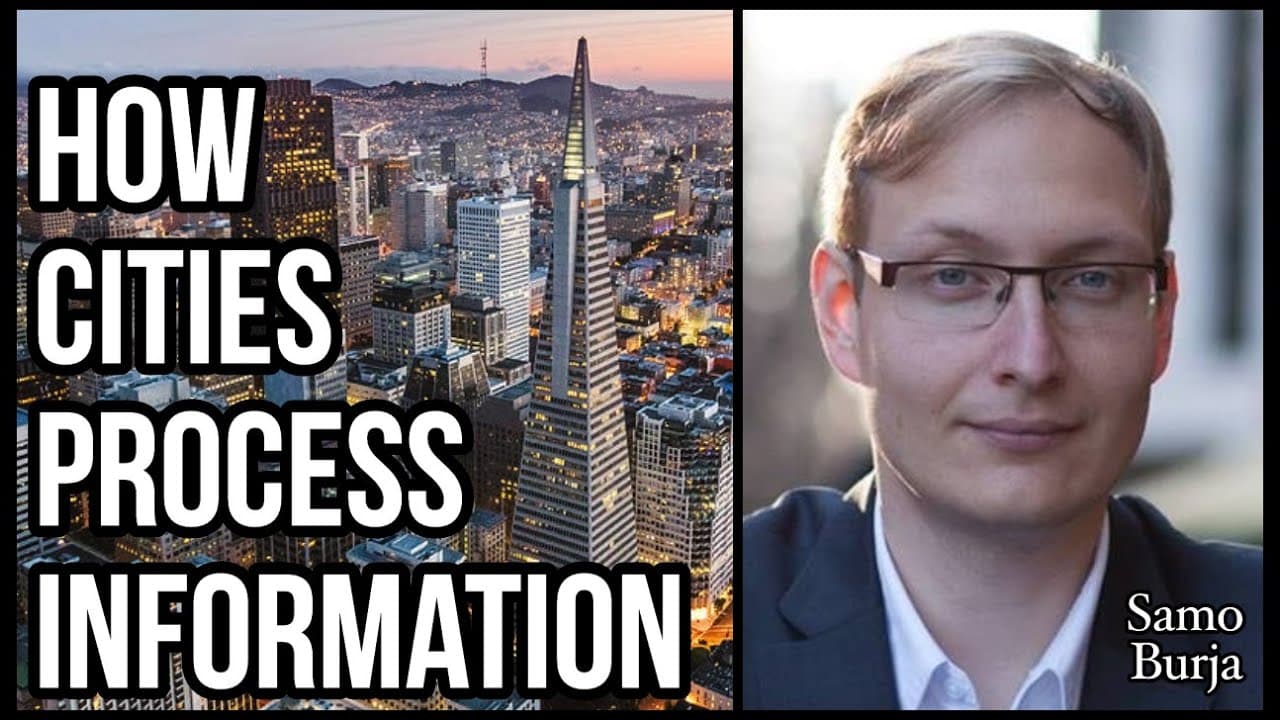
TL;DR
Cities are long-lasting and ever-evolving institutions that offer coordination, labor markets, and cultural hazing, shaping our society and identity.
Transcript
the longest-lived institutions in the world last about one perhaps two thousand years but under human social formations that last longer I think cities countess this the city of Xian in China has been continuously inhabited for the last three thousand years from the Bronze Age all the way to the jet age the interesting question then is are cities t... Read More
Key Insights
- 💁 Cities are enduring institutions that have outlasted many other social formations throughout history.
- 🏙️ The importance of colocation in cities facilitates coordination and enhances productivity.
- 🏙️ Cities serve as labor markets, ensuring a stable workforce and fostering economic value.
- 🥺 The experience of living in a city shapes and institutionalizes individuals, leading to shared cultural identities.
- 🌍 Cities maintain their specific culture, which can often surpass the culture of the nation they are a part of.
- 🏙️ Institutions choose cities due to their ability to provide coordination, labor markets, and a consolidated environment for effective governance.
- 🖐️ Cities play a crucial role in shaping our society and identity through their unique cultural experiences.
Install to Summarize YouTube Videos and Get Transcripts
Explore YouTube Video Summarizer or Get YouTube Transcript Extractor
Questions & Answers
Q: Why are cities considered institutions?
Cities are not institutions themselves, but they serve as homes for various institutions throughout history. They provide a physical grid of coordination and colocation, allowing organizations to work together efficiently.
Q: What advantages do cities offer as labor markets?
Cities represent true labor markets as people tend to settle close to where they were born. This creates a stable workforce and fosters economic value. The concentration of workers in a single city facilitates productivity and specialization.
Q: How do cities shape our culture?
Cities expose residents to unique experiences and customs, imprinting a specific cultural identity. Residents become a part of the city's culture, which can often outlast the culture of a nation. Moving from one city to another often leads to residents missing and longing for their previous city.
Q: Why do institutions continuously choose cities as their homes?
Cities provide an environment that promotes coordination and collaboration. When institutions are scattered across multiple cities, coordination becomes difficult, whereas consolidating them in a single city allows for more effective governance and influence.
Summary & Key Takeaways
-
Cities, like Xian in China, have been inhabited for thousands of years, outlasting many institutions.
-
Cities are not institutions themselves but rather serve as homes for various institutions, like the Roman Imperial government and the papacy.
-
Cities offer coordination, labor markets, and cultural hazing, which contribute to their importance and longevity.
Read in Other Languages (beta)
Share This Summary 📚
Summarize YouTube Videos and Get Video Transcripts with 1-Click
Try YouTube Summary with ChatGPT & Claude or YouTube Transcript Generator
Explore More Summaries from Samo Burja 📚






Summarize YouTube Videos and Get Video Transcripts with 1-Click
Try YouTube Summary with ChatGPT & Claude or YouTube Transcript Generator