Choosing Your Regrets: Insights from Christopher Hitchens
TL;DR
Regrets are an unavoidable aspect of life, and it's essential to select which ones you can live with. This insight suggests that the choice of whether to act or remain passive often leads to different forms of regret. Embracing risks can bring freedom, but it also carries the potential for isolation and the burden of what-ifs.
Transcript
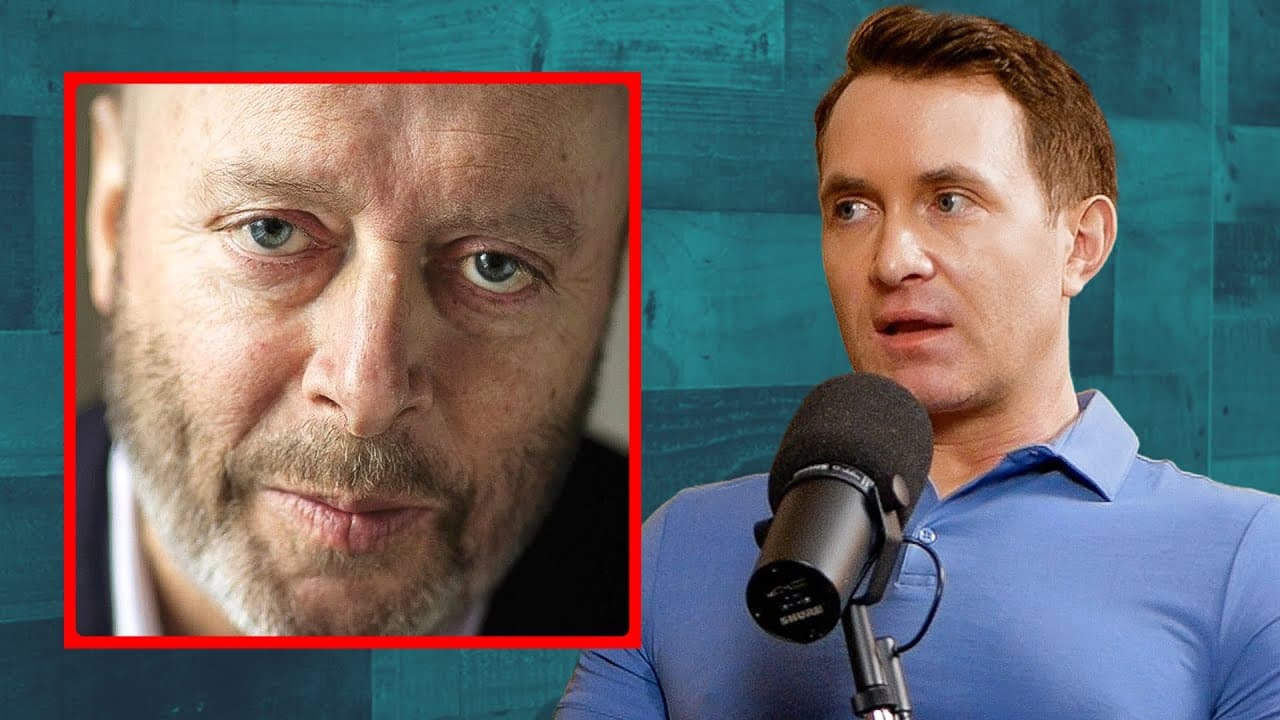
the other thing that i really adored from when we spent time together in new york that you told me about was a story to do with regrets from hitch uh and this is a we're talking about trade-offs here right and this has been i wrote a newsletter about it which i sent to you and dude it is it is one of the best insights for ameliorating regrets for u... Read More
Key Insights
- 🛟 Regrets are an unavoidable part of life, regardless of decision-making quality.
- 🏋️ Choosing regrets involves weighing potential outcomes and determining which regrets are more bearable.
- 🤪 Taking risks and going against societal norms can lead to both freedom and isolation, with associated costs.
- 🥡 Regret is not solely dependent on making suboptimal decisions but is inherent in the path not taken.
- 🥺 Pursuing complete freedom can come at the expense of other aspects, potentially leading to regrets.
- 😑 Speaking one's mind can involve regret, but for some, the regret of not expressing oneself is more unbearable.
- ❓ Nonconformity to societal expectations can bring personal benefits but also a sense of isolation.
- 🎙️ More videos with Douglas Murray:
Install to Summarize YouTube Videos and Get Transcripts
Explore YouTube Video Summarizer or Get YouTube Transcript Extractor
Questions & Answers
Q: How do regrets relate to the concept of trade-offs?
Regrets are a consequence of making choices and accepting the trade-offs that come with them. They are not solely tied to making suboptimal decisions but are inherent in the path not taken.
Q: Should individuals always strive for complete freedom to avoid regrets?
No, freedom comes with its own set of costs and potential regrets. It is important to assess the potential consequences of pursuing freedom and weigh them against the regrets that might arise from conforming to societal norms.
Q: How does speaking one's mind relate to the idea of choosing regrets?
Speaking one's mind can lead to regrets, such as damaging relationships or facing consequences. However, for some individuals, the regret of not expressing their true thoughts and opinions is more unbearable than the potential regrets that come with honesty.
Q: What are some potential benefits and costs of not conforming to societal expectations?
Not conforming to societal expectations can bring personal freedom and a sense of success. However, it can also result in isolation and loneliness, as going against pre-established norms often leads to a feeling of being different or misunderstood.
Summary & Key Takeaways
-
Regrets are universal and not dependent on the quality of decision-making.
-
Choosing regrets is about weighing the potential outcomes and determining which ones are more bearable.
-
Taking risks and going against societal norms can lead to both freedom and isolation, with a cost attached to it.
Read in Other Languages (beta)
Share This Summary 📚
Summarize YouTube Videos and Get Video Transcripts with 1-Click
Try YouTube Summary with ChatGPT & Claude or YouTube Transcript Generator
Explore More Summaries from Chris Williamson 📚





Summarize YouTube Videos and Get Video Transcripts with 1-Click
Try YouTube Summary with ChatGPT & Claude or YouTube Transcript Generator