What Is Critical Race Theory and Its Impacts?
TL;DR
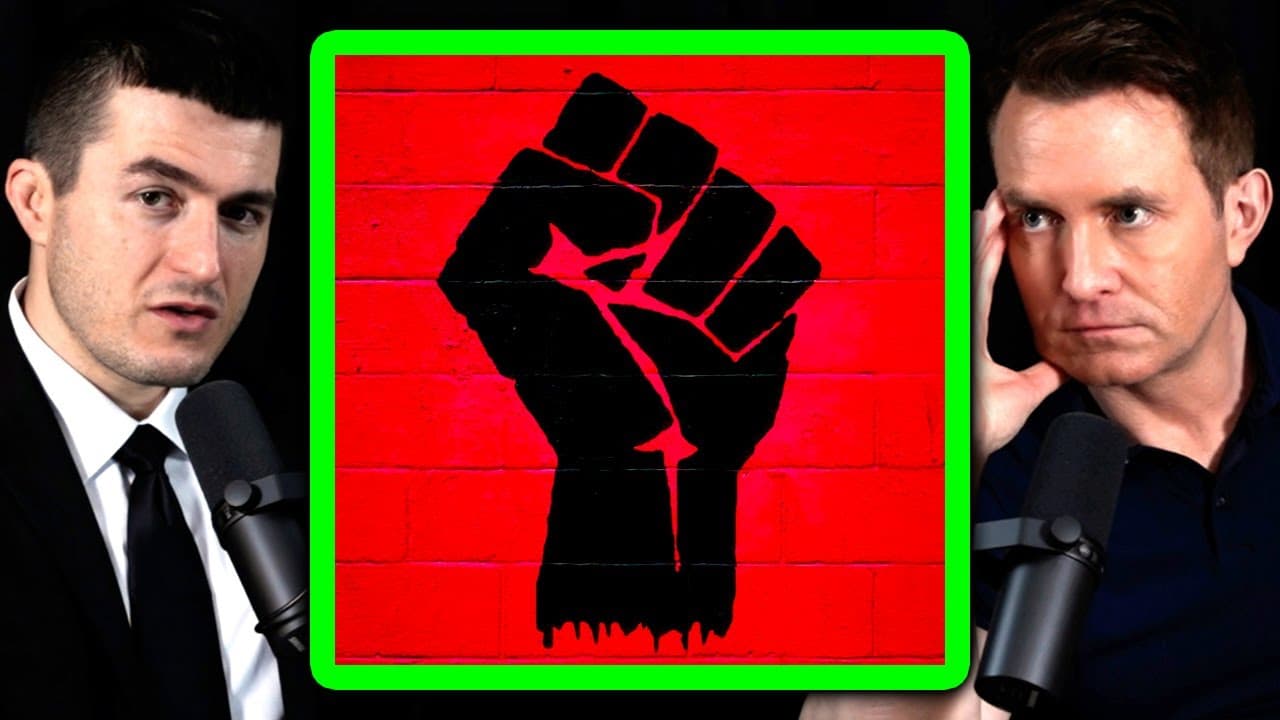
Critical race theory (CRT) is an activist academic framework that examines societal issues through the lens of race, originating in the 1970s in legal studies. Its growth reflects a response to declining academic rigor in the humanities, sparking debates about the objectivity of research and the role of activism in higher education.
Transcript
the idea of critical race theory um can you to me explain so i'm an engineer and have not been actually paying attention much unfortunately to the these things none of the people in your field were until it comes along and smacks you in the face i you know i i've had that line of thinking and you know from mit i i said well surely whatever you folk... Read More
Key Insights
- 👮 Critical race theory originated in the law field in the 1970s and has since expanded into various academic disciplines.
- 💗 Its popularity can be attributed to the growing weakness of the humanities and the desire for new areas of research and activism.
- 🤨 The integration of critical race theory and other activist ideologies into academia has raised concerns about the objectivity and neutrality of research.
- 👨🔬 Activism within academia can sometimes overshadow the pursuit of rigorous academic research and compromise the credibility of the discipline.
- ❓ It is essential to distinguish between legitimate activism and the infiltration of political ideologies into academic disciplines.
- 🐎 Critical race theory aims to examine and challenge racial inequalities in society and legal systems.
- 🐎 The boundaries and limits of critical race theory and similar activist ideologies are still being debated within academia.
- 🎙️ More videos with Douglas Murray:
Install to Summarize YouTube Videos and Get Transcripts
Explore YouTube Video Summarizer or Get YouTube Transcript Extractor
Questions & Answers
Q: What is critical race theory, and when did it originate?
Critical race theory is an activist philosophy that emerged in the law field in the 1970s. It seeks to examine everything through the lens of race and aims to change existing laws and social structures that perpetuate racial inequalities.
Q: Why has critical race theory spread to other academic disciplines?
Critical race theory expanded beyond law because the humanities and other academic fields were facing a lack of direction and needed new areas of focus. It provided a new framework and a way to engage in activism within academia.
Q: Is activism a sign of a flaw in a discipline?
Activism itself is not inherently a flaw in a discipline. However, when activism takes precedence over objective research and academic rigor, it can lead to the erosion of the discipline's credibility and objectivity.
Q: What are the concerns associated with critical race theory?
One concern is that critical race theory often emphasizes activism over rigorous academic research, which can compromise the integrity of academic findings. Additionally, it raises questions about the objectivity and neutrality of research influenced by activist ideologies.
Summary & Key Takeaways
-
Critical race theory is an activist philosophy that started in the law field in the 1970s and has now expanded into other academic disciplines.
-
The rise of critical race theory can be attributed to the increasing weakness of the humanities and the need for new games and theories to explore.
-
The integration of critical race theory and other activist ideologies into academia has created tension and led to concerns about the objectivity of academic research.
Read in Other Languages (beta)
Share This Summary 📚
Summarize YouTube Videos and Get Video Transcripts with 1-Click
Try YouTube Summary with ChatGPT & Claude or YouTube Transcript Generator
Explore More Summaries from Lex Clips 📚



Summarize YouTube Videos and Get Video Transcripts with 1-Click
Try YouTube Summary with ChatGPT & Claude or YouTube Transcript Generator