How Can You Read and Retain Information Like a Pro?
TL;DR
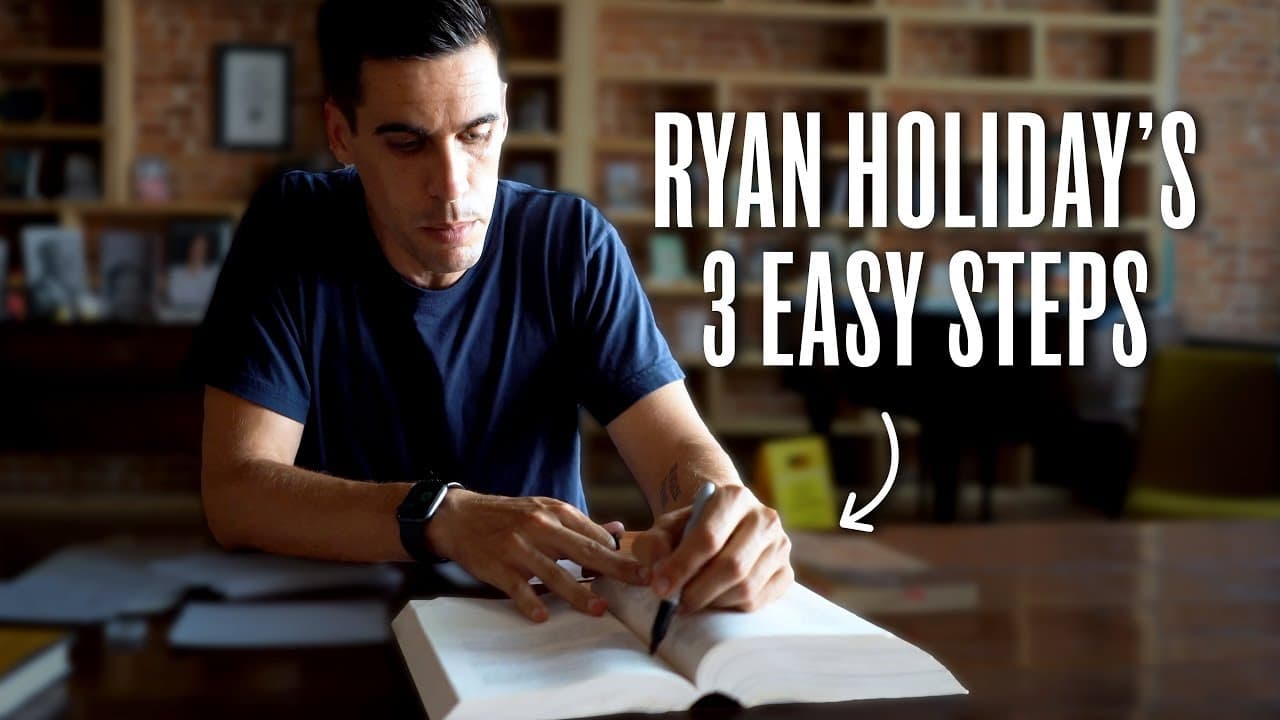
To read and retain information effectively, actively engage with your books by taking notes, highlighting, and folding pages. Organizing insights into a commonplace book allows you to categorize themes and reference valuable information later, making reading a productive practice for both personal and professional growth.
Transcript
it's a weird thing to say but i i guess i'm a professional reader that's really what authors are having written 11 books now i've read a lot of books so what i thought i'd do today is explain my method for reading for organizing what i read and keeping what they call a commonplace book that organizes all that information in a system that i can refe... Read More
Key Insights
- 🛀 Active reading, involving note-taking and annotation, enhances comprehension and engagement with the material.
- 🙏 Folding pages, highlighting, and writing in the margins create a dialogue between the reader and the author.
- 📔 Turning annotated books into note cards and organizing them thematically in a commonplace book allows for easy reference and sparks creativity.
- 😒 The commonplace book serves as a backup hard drive for the reader's brain, storing valuable information for future use.
- 💝 It's never too late to start the practice of active reading and maintaining a commonplace book.
- ⚾ Ryan Holiday, the speaker, offers a course on reading and leadership based on Truman's quote about readers and leaders.
- 📔 Many insights in Holiday's book, "The Obstacle Is the Way," originated from his commonplace book.
Install to Summarize YouTube Videos and Get Transcripts
Explore YouTube Video Summarizer or Get YouTube Transcript Extractor
Questions & Answers
Q: Why does the speaker prefer reading physical books instead of other mediums?
The speaker believes that reading should be a break from screens and finds that physical books offer a more immersive and focused reading experience.
Q: What does folding pages and marking down information in the margins signify?
Folding pages and marking down information are ways for the reader to engage in a conversation with the author, showing what resonates with them and indicating points of interest or further research.
Q: What is the purpose of using note cards for the commonplace book?
Note cards serve as a more organized and accessible way to collect and categorize useful information from various books, creating a personal repository of knowledge and inspiration.
Q: Can anyone benefit from maintaining a commonplace book, or is it only for writers?
Maintaining a commonplace book is beneficial for anyone interested in retaining and accessing valuable information and wisdom from their readings, regardless of their profession or interests.
Key Insights:
- Active reading, involving note-taking and annotation, enhances comprehension and engagement with the material.
- Folding pages, highlighting, and writing in the margins create a dialogue between the reader and the author.
- Turning annotated books into note cards and organizing them thematically in a commonplace book allows for easy reference and sparks creativity.
- The commonplace book serves as a backup hard drive for the reader's brain, storing valuable information for future use.
- It's never too late to start the practice of active reading and maintaining a commonplace book.
- Ryan Holiday, the speaker, offers a course on reading and leadership based on Truman's quote about readers and leaders.
- Many insights in Holiday's book, "The Obstacle Is the Way," originated from his commonplace book.
- The process of active reading and maintaining a commonplace book can have a profound impact on one's life and creativity.
Summary & Key Takeaways
-
The speaker explains their method for reading and organizing information using a physical book and a pen to take notes, highlight, and fold pages.
-
They emphasize the importance of engaging in a discussion with the author, marking down words, stories, or historical moments that catch their attention.
-
They then describe their process of turning their annotated books into note cards, which are collected in a commonplace book categorized by themes and used as a resource for future writing and inspiration.
Read in Other Languages (beta)
Share This Summary 📚
Summarize YouTube Videos and Get Video Transcripts with 1-Click
Try YouTube Summary with ChatGPT & Claude or YouTube Transcript Generator
Explore More Summaries from Daily Stoic 📚



Summarize YouTube Videos and Get Video Transcripts with 1-Click
Try YouTube Summary with ChatGPT & Claude or YouTube Transcript Generator