What Are the 12 Things You Need to Know About Stoicism?
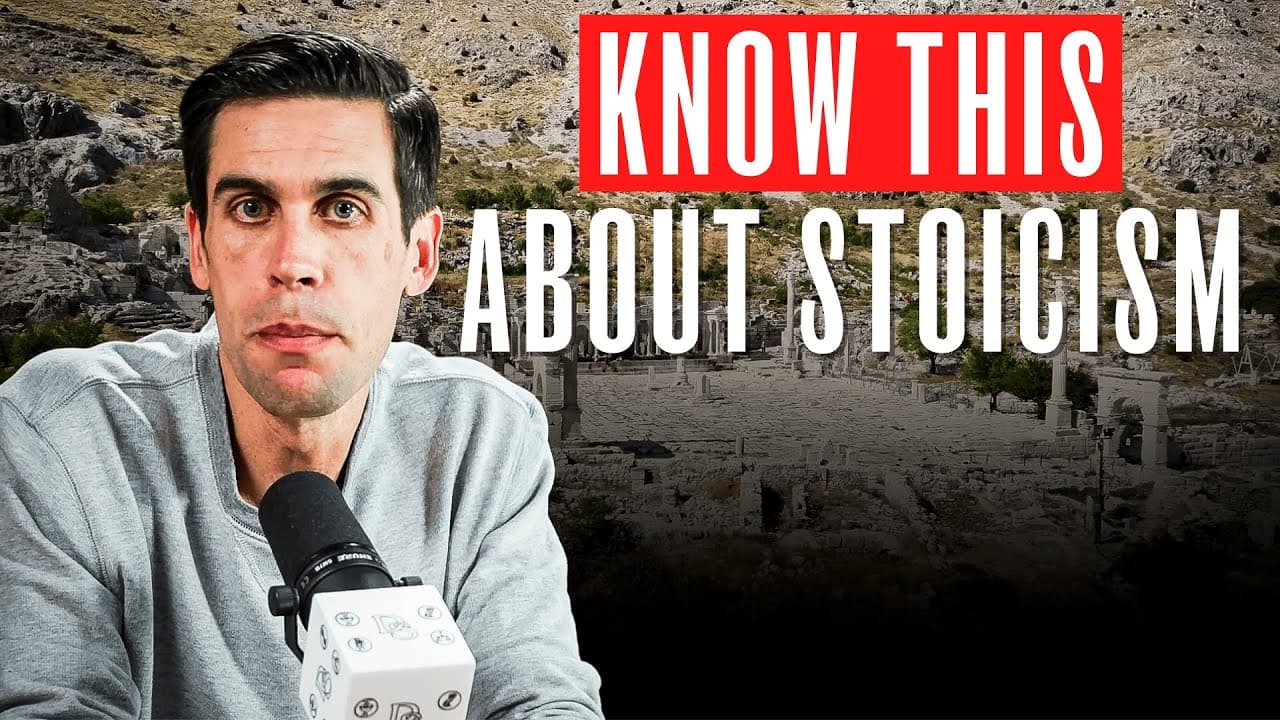
TL;DR
Stoicism is a philosophy of resilience, self-empowerment, and command over your reactions, not coldness or emotionlessness. Drawing on 2,500 years of teachings from figures such as Marcus Aurelius, Epictetus, and Seneca, it emphasizes managing destructive emotions, focusing on what you control, practicing kindness, and using adversity for growth. Read on to see how these principles apply to emotions, injustice, priorities, and uncertainty.
Transcript
Most of what people know about stoicism is totally wrong. Maybe they know a couple of names. They've heard Marcus Aurelius or they've heard Epictitus or they they think that stoicism is about being cold and emotionless and apathetic and resigned. This could not be further from the truth. Stoicism is a philosophy that literally changed the world tha... Read More
Key Insights
- Stoicism is about resilience and self-command, not being emotionless.
- The Stoics aimed to be less emotional in high-stakes situations.
- Kindness is a fundamental aspect of justice in Stoic philosophy.
- Stoicism teaches acceptance of life's challenges as opportunities for growth.
- The dichotomy of control is central: focus on what you can control.
- Stoicism promotes the idea that adversity is a tool for personal growth.
- Positive and negative visualization helps prepare for life's unpredictability.
- Stoicism emphasizes the importance of essentialism and eliminating the inessential.
Install to Summarize YouTube Videos and Get Transcripts
Explore YouTube Video Summarizer or Get YouTube Transcript Extractor
Questions & Answers
Q: What is the main focus of Stoicism?
Stoicism focuses on resilience, self-empowerment, and command of oneself. It teaches people to manage their choices and reactions so external events and destructive emotions do not overwhelm them.
Q: Does Stoicism teach people to be emotionless?
No. Stoics sought to be less emotional in high-stakes situations because emotions can mislead people and prompt actions they later regret. Seneca’s three essays on grief illustrate an effort to understand and process painful emotions, not eliminate all feeling.
Q: What is the dichotomy of control in Stoicism?
The dichotomy of control means distinguishing what you can control from what you cannot. Stoics focus on their own choices, actions, and reactions while letting go of control over external events and other people’s actions.
Q: How do Stoics approach adversity?
Stoics treat adversity as an opportunity for growth rather than something that must always be avoided. Challenges can be used to develop resilience, personal strength, and better command of one’s responses.
Q: Why is kindness important in Stoicism?
Kindness is presented as an expression and precursor of justice. Seneca says every person you meet is an opportunity for kindness, which can appear in ordinary acts such as holding a door, helping someone with groceries, or speaking respectfully to employees.
Q: Does Stoicism require accepting injustice?
No. The transcript distinguishes tolerating injustice from refusing to let it destroy your equilibrium or make you bitter and hopeless. A Stoic may investigate or work to eradicate an injustice while avoiding anger that makes effective action more difficult.
Q: How does Stoicism relate to essentialism?
Stoicism encourages people to identify what they truly need and what matters to them. By eliminating the inessential, they can direct their time, energy, and resources toward meaningful priorities instead of constantly following what others are doing.
Q: What is the Stoic approach to visualization?
Stoicism uses both positive and negative visualization. Positive visualization considers desired outcomes, while negative visualization, also called premeditatio malorum, considers possible setbacks so a person can be better prepared for life’s unpredictability.
Summary & Key Takeaways
-
Stoicism is often misunderstood as being emotionless, but it actually focuses on resilience and self-command. Stoics like Marcus Aurelius and Epictetus taught that emotions should not overwhelm us, especially in high-stakes situations. They emphasized controlling reactions to external events and being kind as a form of justice.
-
The philosophy encourages acceptance of life's challenges as opportunities for growth. Stoicism is built on the dichotomy of control, which means focusing on what you can control and letting go of what you cannot. This approach helps in maintaining equilibrium and effectiveness in dealing with injustices without letting them consume you.
-
Stoicism also advocates for essentialism, urging individuals to focus on what truly matters in life. By eliminating the inessential, one can better allocate resources and energy to meaningful pursuits. This philosophy is not about passive acceptance but about actively using challenges to fuel personal growth and development.
Read in Other Languages (beta)
Share This Summary 📚
Summarize YouTube Videos and Get Video Transcripts with 1-Click
Try YouTube Summary with ChatGPT & Claude or YouTube Transcript Generator
Explore More Summaries from Daily Stoic 📚






Summarize YouTube Videos and Get Video Transcripts with 1-Click
Try YouTube Summary with ChatGPT & Claude or YouTube Transcript Generator