What Makes the Fer-de-Lance the Most Dangerous Snake?
TL;DR
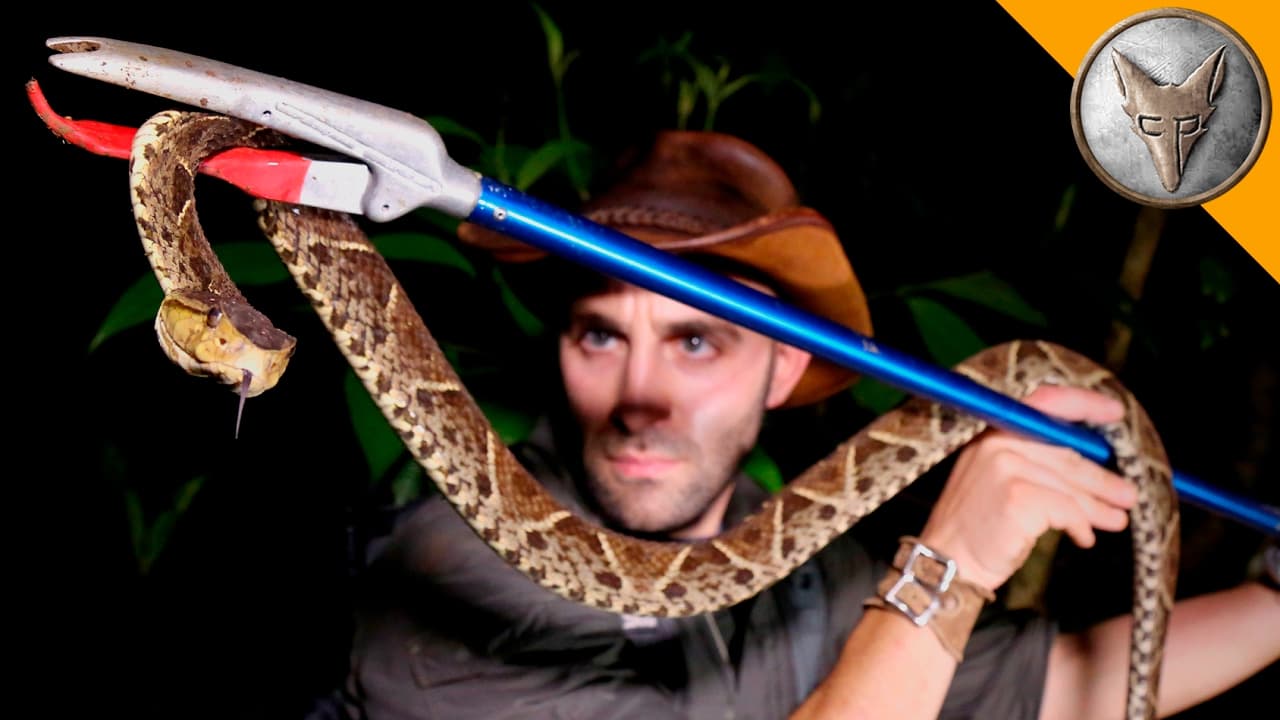
The fer-de-lance is regarded as the most dangerous snake in Central America due to its potent venom and frequent encounters with humans in agricultural areas. Its effective camouflage allows it to blend into its environment, making it easy to stumble upon. To stay safe, admire this snake from a distance and remain aware of your surroundings in nature.
Transcript
(tense music) - I got a snake, right here! Woah, it's a fer-de-lance, alright, hold on! - [Mark] Are you sure? - [Coyote] Let me make sure it doesn't just take off, yeah, 100%, look at that! It's about four feet long, wow! - [Mark] Oh, wow. - I'm gonna catch it, this is a really bad position for us to be in for catching and handling this snake. Kee... Read More
Key Insights
- 🚫 The fer-de-lance is considered one of the most dangerous snakes in Central America due to its venomous bite and close proximity to humans.
- 🙃 Snakes like the fer-de-lance are well-camouflaged in their surroundings, making them difficult to spot and potentially dangerous to stumble upon.
- 🙃 Admiring and respecting dangerous animals like the fer-de-lance from a safe distance is crucial to avoid any potential harm.
- 🐍 Snake encounters can occur unexpectedly, making it essential to always be aware of your surroundings while in nature.
- 🐍 The Brave Wilderness crew takes necessary safety precautions when handling venomous snakes, such as using snake tongs and maintaining a safe distance.
- 🫵 The crew highlights the importance of prioritizing safety and encourages viewers to appreciate dangerous animals from a distance.
- 🕵️ Fer-de-lance snakes rely on their heat-sensing pits to detect prey, using ambush tactics to strike and inject venom.
Install to Summarize YouTube Videos and Get Transcripts
Explore YouTube Video Summarizer or Get YouTube Transcript Extractor
Questions & Answers
Q: What is a fer-de-lance snake?
The fer-de-lance is a venomous pit viper snake found in Central America, known for its dangerous bite and close proximity to human-inhabited areas.
Q: Why was the crew cautious while handling the snake?
The crew understood the potential danger of a snake bite from a fer-de-lance and took necessary precautions to ensure their safety, using snake tongs and maintaining a safe distance.
Q: How does a fer-de-lance detect prey?
Fer-de-lance snakes rely on their heat-sensing pits located on the front of their faces to detect prey. They use ambush tactics and strike out quickly to inject venom into their prey.
Q: Can a fer-de-lance snake attack humans?
While fer-de-lance snakes do not chase or interact with humans, they can bite if threatened or provoked. Their venom can cause severe harm and requires immediate medical attention.
Summary & Key Takeaways
-
The Brave Wilderness crew comes across a fer-de-lance, a highly venomous pit viper, in the rainforest of Costa Rica.
-
The snake is about four feet long and is considered the most dangerous snake in Central America.
-
The crew takes precautions and safely handles the snake, highlighting the need to respect and admire dangerous animals from a distance.
Read in Other Languages (beta)
Share This Summary 📚
Summarize YouTube Videos and Get Video Transcripts with 1-Click
Try YouTube Summary with ChatGPT & Claude or YouTube Transcript Generator
Explore More Summaries from Brave Wilderness 📚




Summarize YouTube Videos and Get Video Transcripts with 1-Click
Try YouTube Summary with ChatGPT & Claude or YouTube Transcript Generator