Why Do Wombats Have Square Poop?
TL;DR
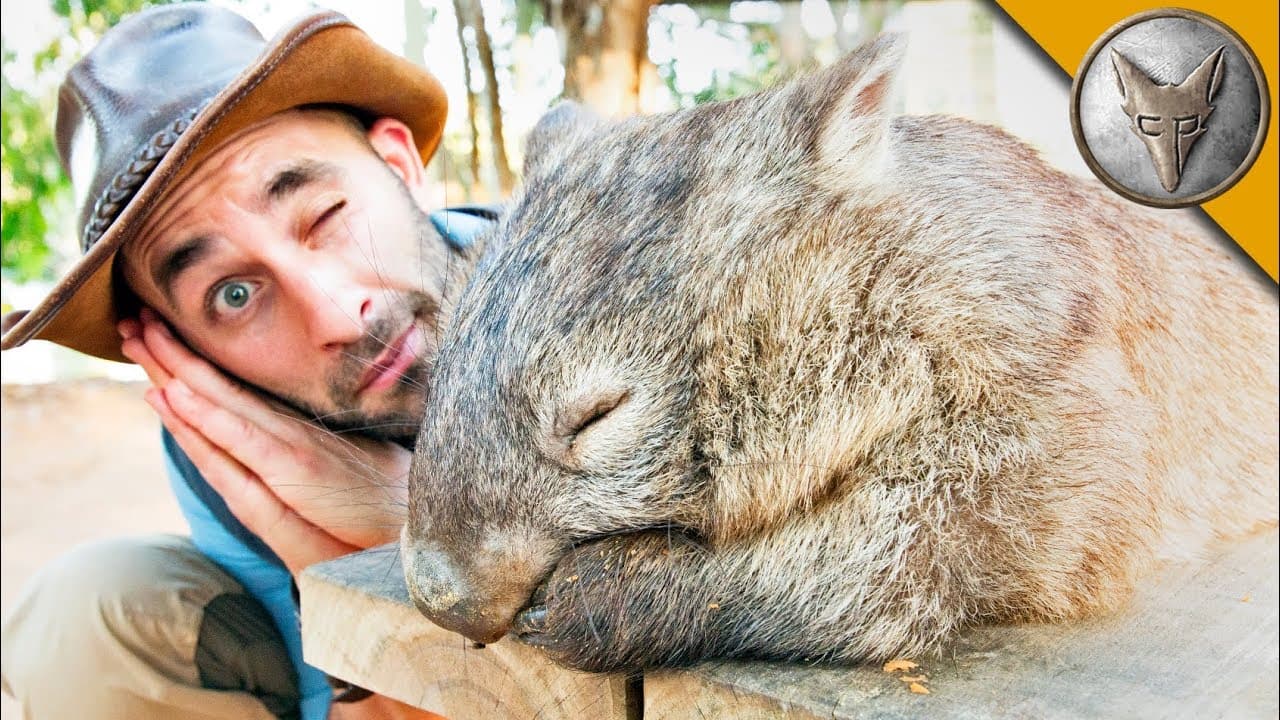
Wombats have square poop to prevent it from rolling away, helping them mark their territory effectively. This unique shape results from their slow digestive process, taking about 14 days to excrete waste, which consists mainly of bark and roots they consume. The square shape ensures the poop stays in place, deterring dung beetles from rolling it away.
Transcript
- Wanna know something that's really kind of interesting, and a little gross, I guess. They have a bone in their backs here, that when they actually poop it's kind of like one of those Play-Doh fun factory machines. Their poop is square. - [Mark] What? - [Coyote] Square poop. (cougar yell) (jungle drums) (lion roar) (lively music) - Australia is ho... Read More
Key Insights
- 🙃 The Billabong Sanctuary in North Queensland is a family-owned eco-tourism attraction that focuses on wildlife conservation and education.
- 🫚 Wombats have powerful claws and can dig deep burrows to access roots.
- ❓ Wombats are primarily nocturnal and are mainly threatened by dingoes in the wild.
Install to Summarize YouTube Videos and Get Transcripts
Explore YouTube Video Summarizer or Get YouTube Transcript Extractor
Questions & Answers
Q: What is unique about Wanda the wombat's poop?
Wombats have square poop, which is believed to prevent it from rolling away and serves as a territorial marker.
Q: How does Wanda protect herself from predators?
Wombats dig deep burrows and when chased, they push their solid backside out of the hole, making it difficult for predators to reach them.
Q: What do wombats eat in the wild?
In the wild, wombats primarily eat grasses, bark, and roots, making their diet high in fiber.
Q: How does Wanda's pouch differ from other marsupials?
Wanda's pouch faces backwards to prevent dirt from getting on her joey while she digs.
Summary & Key Takeaways
-
Coyote Peterson visits the Billabong Sanctuary in North Queensland to learn about native Australian wildlife.
-
Wanda the wombat, a female and permanent resident of the sanctuary, is introduced as one of the most bizarre looking mammals.
-
Coyote explores Wanda's features, such as her powerful claws, ability to dig, and solid backside that protects her from predators.
Read in Other Languages (beta)
Share This Summary 📚
Summarize YouTube Videos and Get Video Transcripts with 1-Click
Try YouTube Summary with ChatGPT & Claude or YouTube Transcript Generator
Explore More Summaries from Brave Wilderness 📚

Summarize YouTube Videos and Get Video Transcripts with 1-Click
Try YouTube Summary with ChatGPT & Claude or YouTube Transcript Generator