What Makes the Wandering Spider So Dangerous?
TL;DR
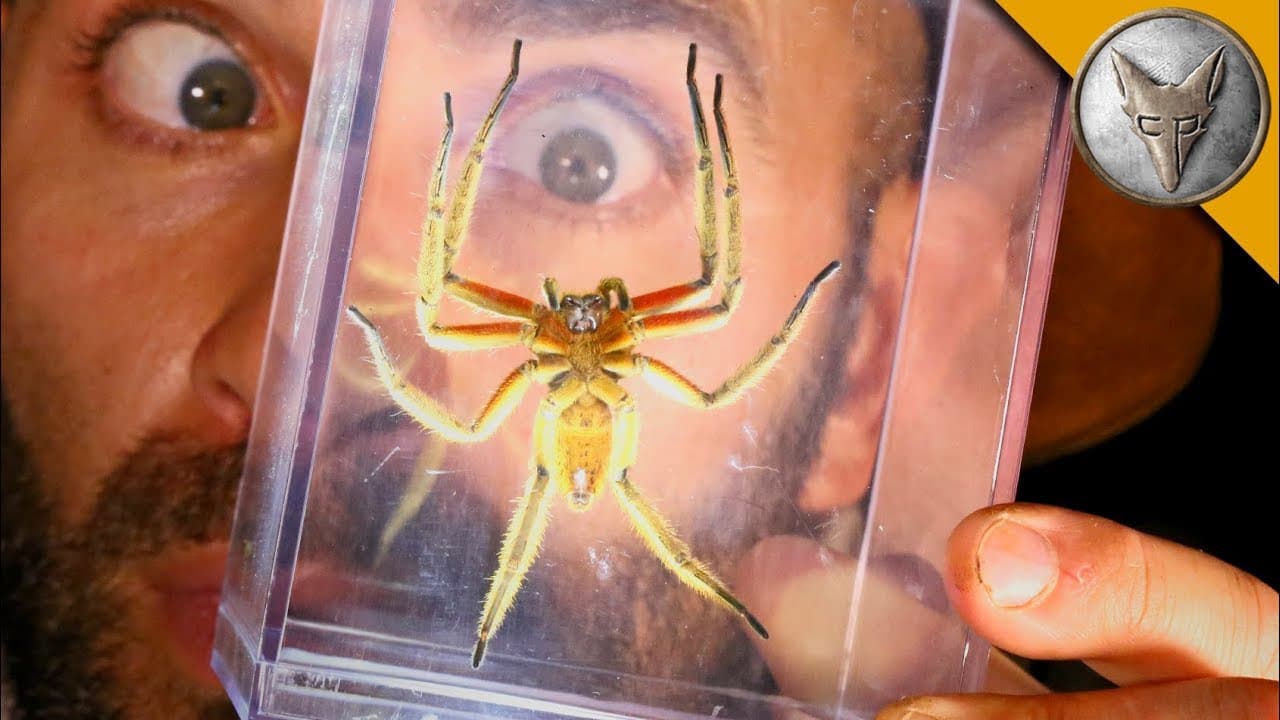
The wandering spider, found in the Costa Rican rainforest, is one of the most dangerous arachnids due to its potent venom and aggressive behavior. With a size that can reach six inches in diameter, it is capable of inflicting severe bites that may lead to serious medical issues. Always exercise caution and check your surroundings to avoid encounters with this deadly spider.
Transcript
- Boy that's a big spider! Here goes, want to set down the leaf right there. - [Mark] Okay its in. - [Coyote] Whoooo, no its not. Look out, look out, look out! (jungle beat music) - Far beneath the dense canopy of the Costa Rican rainforest a plethora of toxic creatures hide amongst the foliage and shadows. From hopping poisonous frogs, to slitheri... Read More
Key Insights
- 🐍 Costa Rican rainforest is home to a variety of toxic creatures including poisonous frogs, venomous snakes, and dangerous arachnids.
- 🐍 The fer-de-lance snake, one of the most toxic snakes in Central America, is commonly found in the rainforest.
- 🦂 The Costa Rican rainforest is also filled with scorpions, some of which have potent venom.
- 🕷️ The wandering spider, a dangerous arachnid, is known for its venomous bite and aggressive behavior.
- 🕷️ Wandering spiders are nocturnal and can be found in residential areas, hiding in boots and sheets.
- 🩹 It is important to be cautious and check your surroundings for these venomous creatures in the rainforest.
- 🌼 Wandering spiders have distinct red linings on the undersides of their legs, which serve as a warning to predators.
- 🌿 The wandering spider is one of the largest and most dangerous arachnids in the rainforest, with some species capable of taking down small mammals.
Install to Summarize YouTube Videos and Get Transcripts
Explore YouTube Video Summarizer or Get YouTube Transcript Extractor
Questions & Answers
Q: How dangerous is the wandering spider?
The wandering spider is one of the most dangerous arachnids, known for its potent venom and aggressive behavior. Its bite can cause severe pain and potentially life-threatening symptoms, making it a species to be avoided.
Q: How does the wandering spider defend itself?
When threatened, the wandering spider raises its front legs and displays its red-colored underbelly as a warning to predators. It can also bite using its large fangs and venom-filled sacs, which can deliver a highly toxic dose of venom.
Q: How do people usually come across the wandering spider?
The wandering spider is primarily nocturnal, hiding during the day. However, it can be found in residential areas, often seeking shelter in shoes, bedsheets, or other hiding spots. People can unknowingly encounter the spider when they come into contact with its hiding places.
Q: What precautions should people take to avoid encounters with wandering spiders?
To avoid encounters with wandering spiders, it is recommended to check shoes, boots, and other potential hiding spots before putting them on. Precautions should also be taken to keep your living space clean and free from clutter where spiders may seek refuge.
Q: Can the wandering spider jump?
Yes, the wandering spider is capable of jumping. This makes it even more intimidating because it can quickly leap towards potential threats or prey. Its jumping ability adds to its reputation as a dangerous and unpredictable predator in the rainforest.
Q: Are there different types of wandering spiders?
Yes, the wandering spider is a general term for spiders that crawl around the rainforest floor. There are eight cataloged species of Brazilian wandering spiders, including the Costa Rican variety. Each species may have slightly different characteristics and venom potency.
Q: What is the size of a full-grown wandering spider?
A full-grown wandering spider can reach about six inches in diameter. The captured spider in the episode measured approximately four inches, providing a reference for its relatively large size. Its intimidating size contributes to its status as a formidable predator in its ecosystem.
Summary & Key Takeaways
-
The Brave Wilderness crew explores the Costa Rican rainforest in search of dangerous arachnids, encountering venomous snakes, including the fer-de-lance pit viper.
-
They come across a variety of spiders, including a fishing spider and a bark scorpion, but their main target is the wandering spider.
-
After a nerve-wracking catch, they capture a wandering spider and explain its venomous nature, urging caution when encountering this species.
Read in Other Languages (beta)
Share This Summary 📚
Summarize YouTube Videos and Get Video Transcripts with 1-Click
Try YouTube Summary with ChatGPT & Claude or YouTube Transcript Generator
Explore More Summaries from Brave Wilderness 📚


Summarize YouTube Videos and Get Video Transcripts with 1-Click
Try YouTube Summary with ChatGPT & Claude or YouTube Transcript Generator