What Changed the Luftwaffe in the 1945 Air Battle?
TL;DR
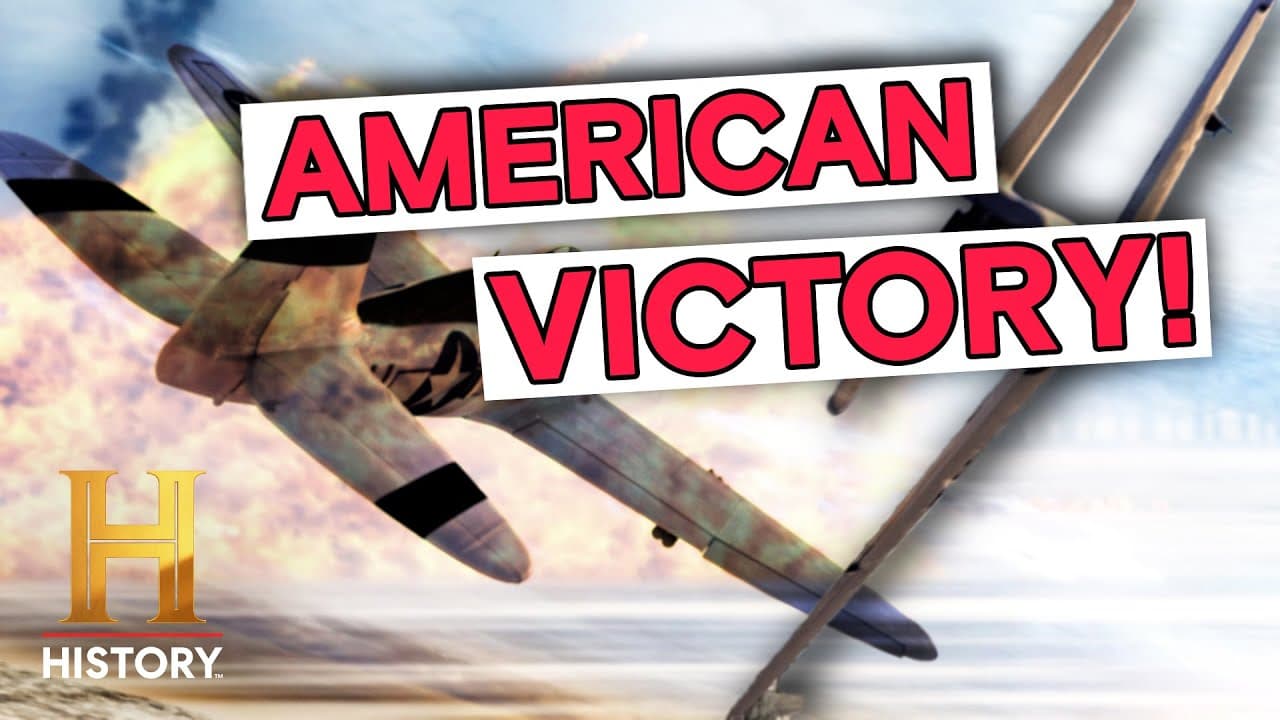
The Allied pilots fight a high tempo dogfight over Y29 as the Luftwaffe offense tries to destroy forward air bases. Moments include a damaged gun sight, rapid maneuvers, and several German planes downed by skilled American fighters, underscoring a turning point in Luftwaffe effectiveness.
Transcript
January 1st, 1945. At 9:20 a.m., the men of the 352nd Fighter Group, the blue-nosed bastards of Bodney, take to the skies over Y29. Lieutenant Ray Litkkey with his wingman Alriby accelerate away from the airfield. Suddenly, Alriby spots an FW190 swinging in behind his flight lead. Riby instinctively calls a left break. If Litki breaks left and the ... Read More
Key Insights
- The air battle of January 1, 1945 occurred over Y29, featuring the 352nd Fighter Group and a mix of Allied and German aircraft.
- The narrative stresses aggressive, continuous engagement as pilots must balance fuel, ammunition, and fatigue during the fight.
- The damage to a gun sight can severely hamper gunnery while new aircraft add another layer of difficulty for pilots.
- Several German aircraft are forced off course or downed through coordinated maneuvers and successful tail-to-tail attacks.
- P47s and 109s engage in close combat at treetop level, increasing the risk but also the payoff of decisive shots.
- Ground observers reacted with excitement and the battle was framed as a key test of Luftwaffe versus Allied air power.
- The episode links the dogfight to a broader strategic objective: to break Luftwaffe offensive capabilities.
- The described actions underscore how individual pilot skill and timely wingman support shape outcomes in chaotic air battles.
- More videos from this channel:
- More from this channel: HISTORY
Install to Summarize YouTube Videos and Get Transcripts
Explore YouTube Video Summarizer or Get YouTube Transcript Extractor
Questions & Answers
Q: What happened at Y29 on January 1, 1945 that highlighted the turning point in air battles over Europe
January 1, 1945 witnessed a fierce dogfight over Y29 where multiple aircraft from the 352nd Fighter Group clashed with German FW190s and 109s. The engagement showcased aggressive maneuvers, determination under pressure, and critical moments such as a pilot’s damaged gun sight making accurate fire difficult, yet Allied pilots still achieved decisive victories. This illustrates how skill, persistence, and tactical pressure can overcome equipment challenges and shift air superiority in favor of the Allies.
Q: How did pilots manage aircraft damage and maintain effectiveness during the fight
Pilots faced significant challenges like a burned out gun sight on a new aircraft, which forced adjustments in aiming and firing. They relied on alternating high and low altitude tactics, close cooperation with wingmen to break enemy formations, and rapid decision making to preserve momentum. Despite these hurdles, successful targets were identified through teamwork and sustained aggression, proving that coordination can overcome technical setbacks.
Q: Why is the term Bodenplatte mentioned in relation to this battle
The description connects this individual dogfight to Operation Bodenplatte by explaining that Bodenplatte aimed to destroy American forward air bases across Holland, Belgium, and the Netherlands. Although the specific air duel over Y29 is a separate engagement, the overall context highlights a broader German offensive effort and the critical stakes for air power projections in the campaign.
Q: Who were the standout pilot interactions that defined the exchange over Y29
Key interactions included Litkkey and Riby in a leader-follower exchange that resulted in a German 190 being shot down after a coordinated maneuver. Moes and his wingman engaged enemy fighters to force overshoots, while Halton’s crossfire helped kill a German pilot. These moments illustrate how teamwork and precise timing contributed to Allied successes during the battle.
Q: What tactical lessons can be drawn from the dogfight described
The dogfight demonstrates the importance of situational awareness, rapid wingman coordination, and aggressive pursuit of enemy aircraft even under handicap such as damaged sights or engine trouble. It also shows how maintaining pressure at low altitude can disrupt enemy maneuvers, overwhelm adversaries, and preserve fuel and ammo by finishing engagements decisively.
Q: How does the narrative portray ground observers during the battle
Ground observers are shown reacting like a crowd watching a football game, cheering and calling out targets as the air battle unfolds overhead. This depiction emphasizes the dramatic and public nature of air combat, and how civilian observers framed pilots as protagonists in a larger struggle, adding a human dimension to the aerial conflict.
Q: What role does the P-47 play in the described sequence
The P-47, exemplified by pilots like Bob Brule and Jack Kennedy, participates in close aerial combat, delivering fire and maneuvering to position for hits while managing threats from enemy fighters. The aircraft’s power and speed are depicted as decisive in driving enemy aircraft into the ground or breaking off to escape, contributing to the overall Allied effort.
Q: How does the episode connect individual battles to broader Luftwaffe capability
By detailing lost German airplanes, damaged engines, and the eventual success of Allied pilots in breaking enemy formations, the episode links the chaotic, individual duels to the larger strategic outcome: the Luftwaffe’s diminished ability to contest Allied air power and the shift in battlefield balance that affects ground operations and morale.
Summary & Key Takeaways
-
The video examines a critical January 1 1945 air clash over Y29 where American and German fighters clash at low altitude amid heavy debris and snow. It highlights the intensity, fatigue management, and aggressive tactics used by pilots to gain the upper hand. The narrative emphasizes how this engagement reflects the broader struggle for air superiority.
-
The fight features multiple pilots including Litkkey, Riby, Moes, Halton, Kennedy, Brule, and others as they press the attack. It showcases how equipment issues like a damaged gun sight influence fighter decisions and how formations and timing can shift the outcome of battles.
-
The episode frames Operation Bodenplatte as a broader German offensive context, illustrating how a successful outcome for Allies would degrade Luftwaffe offensive capability and affect frontline air support and morale while detailing ground observers’ reactions to the air battles.
Read in Other Languages (beta)
Share This Summary 📚
Summarize YouTube Videos and Get Video Transcripts with 1-Click
Try YouTube Summary with ChatGPT & Claude or YouTube Transcript Generator
Explore More Summaries from HISTORY 📚


Summarize YouTube Videos and Get Video Transcripts with 1-Click
Try YouTube Summary with ChatGPT & Claude or YouTube Transcript Generator