How to Stop Chasing Success and Find Fulfillment
TL;DR
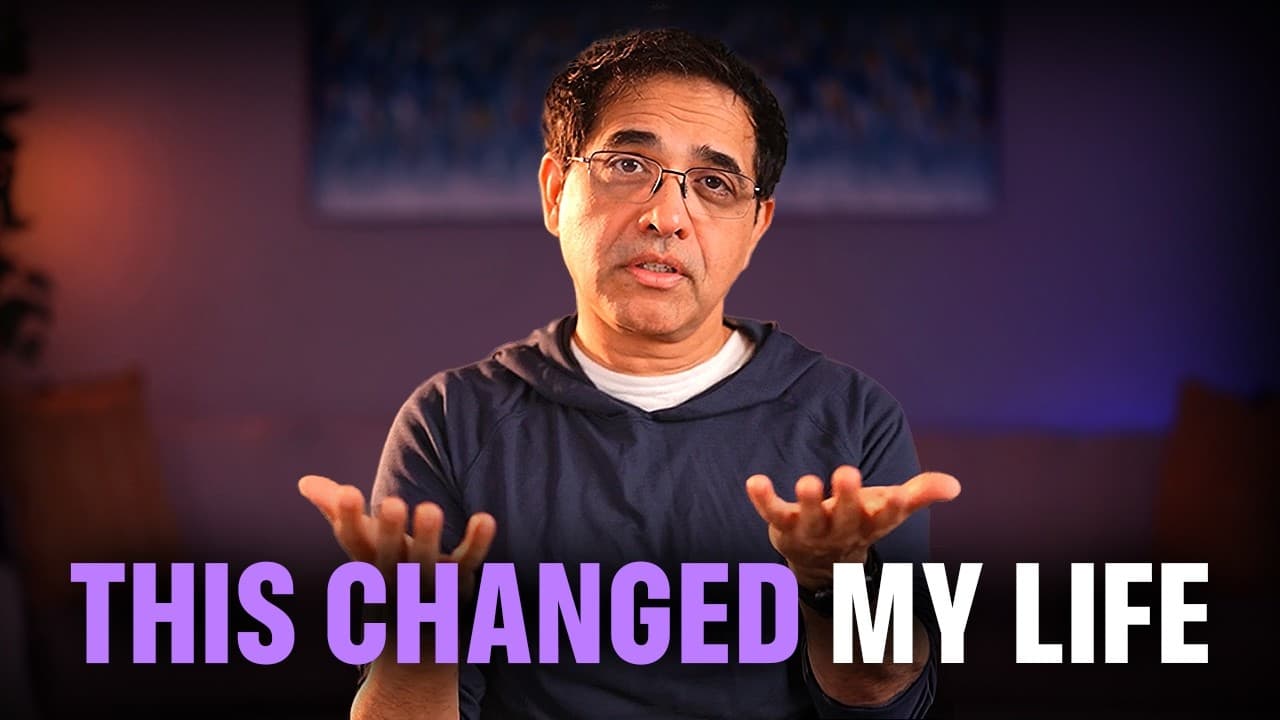
Focus on creating value where you are, protect time and relationships once your needs are met, and balance ambition with appreciation for your present life. Deliver feedback through trust and human connection, and when plans fail, replace the search for certainty with curiosity about unexpected opportunities.
Transcript
You know, in life, we chase everything except what matters. We sprint toward goals, then move the finish line. We live to work for getting what we're working for. I have lived both extremes. Monk and CEO, homeless and financially free, fired and building billion-dollar companies. And along the way, a handful of advice quietly changed how I saw the ... Read More
Key Insights
- Mastering a current role is the fastest route toward a better one because future value begins with present contribution. Solving overlooked problems thoughtfully and skillfully builds a reputation that can create opportunities more effectively than sleepwalking through today while concentrating only on tomorrow.
- Visible wealth is not necessarily valuable because money, cars, and titles can coexist with a lack of time, freedom, friendship, and joy. Once basic needs and a satisfying life are secured, continually chasing more can mortgage the relationships and experiences that made success worth pursuing.
- Time scarcity affects many successful people, with the cited study reporting that 70% of high earners feel time starved. Money does not automatically purchase freedom, so prosperity must be evaluated through time with loved ones, shared laughter, gratitude, and everyday joy.
- Feedback works like medicine because its effectiveness depends on the right dose, timing, and delivery system. Accurate advice can still damage relationships when it arrives without context, empathy, privacy, or recognition of the recipient's effort and perspective.
- The trust loop is a five-step feedback framework: speak face to face, affirm specific progress, clarify the situation with questions, give criticism privately, and create a genuine conversation. These practices turn correction into constructive support and reduce embarrassment, resentment, and defensive shutdown.
- A growth mindset can create restlessness when self-worth becomes tied to continual achievement and comparison. Reaching financial freedom or another goal may not quiet a nervous system trained by scarcity, especially when each accomplishment simply causes the finish line to move again.
- Fulfillment requires balancing being and becoming rather than abandoning ambition. Weekly reflection can include what was learned, what was improved for others, and what produced a smile, allowing personal growth to continue alongside gratitude, self-acceptance, and enjoyment of present experience.
- Curiosity is a practical compass when plans collapse because unexpected opportunities rarely follow a fixed roadmap. Staying open to unusual projects, random conversations, unfamiliar articles, and unanswered questions helps reveal possibilities that certainty and rigid planning can overlook.
Install to Summarize YouTube Videos and Get Transcripts
Explore YouTube Video Summarizer or Get YouTube Transcript Extractor
Questions & Answers
Q: How can I move closer to my dream job?
The fastest route described is to slow down and master the job you already have. Focus on today, identify something your team needs, notice what irritates your boss, and solve one overlooked problem thoughtfully. Use every form of intelligence available, including artificial and emotional intelligence. Your next opportunity may come less from your resume than from the reputation created by delivering value now.
Q: Why can chasing more money reduce fulfillment?
Chasing more money can consume the time, freedom, and relationships that make prosperity meaningful. The transcript describes a wealthy CEO who continued pursuing billions, then lost nearly everything when his company stumbled and later recognized that only two college friends remained. The lesson is to stop mortgaging a life you already like once you have what you genuinely need.
Q: How should personal success be measured beyond money?
Success can be evaluated through experiences that are valuable even when they are not publicly visible or easily counted. Ask how much time you spend with people you love, how often you laugh with a spouse, partner, or children, and how many days include gratitude and joy. These questions reveal whether financial achievement has also produced freedom, connection, and a satisfying daily life.
Q: How can I give feedback without damaging trust?
Build a trust loop before offering correction. Speak face to face so tone and empathy are available, sincerely recognize specific effort and progress, and ask questions to understand the other person's perspective. Give difficult feedback privately, then make the exchange a dialogue rather than a commentary. People are more likely to open up and change when they feel understood instead of judged.
Q: Why is written feedback sometimes ineffective?
Written comments in documents or Slack threads cannot fully reproduce human tone, empathy, and nuance. Even precise and strategically useful criticism can feel like an ambush when delivered in large quantities shortly before an important meeting. Face-to-face communication provides context, allows immediate clarification, and makes it easier to show that the recipient's effort matters even when the result misses the mark.
Q: How can a growth mindset become unhealthy?
A growth mindset becomes unhealthy when improvement turns into permanent restlessness and self-worth depends on being superior. The pattern becomes grind now and grind later, even after financial freedom or another major goal has been reached. Each achievement moves the goalpost, leaving fulfillment permanently one accomplishment away. Growth should continue alongside self-compassion, present enjoyment, and acceptance of who you already are.
Q: How can I balance ambition with enjoying my life?
Balance comes from pursuing growth while appreciating your present identity and experience. The transcript recommends asking three recurring questions: what did I learn, what did I improve for others, and what did I smile about today? Together, these questions preserve ambition while making room for contribution, gratitude, and enjoyment, rather than postponing fulfillment until another achievement or future milestone arrives.
Q: What should I do when my plans fall apart?
Use curiosity as a compass instead of clinging to certainty. Ask what interests you now, then follow one thread by reading an article outside your field, asking a question you have avoided, or trying an unfamiliar project. Plans cannot control life's changing conditions, but openness can help you notice opportunities emerging through side projects, accidental interactions, and conversations you never expected.
Summary & Key Takeaways
-
The first lesson is to master the work already in front of you. Instead of treating a current role as a waiting room, identify neglected problems, solve them thoughtfully, and create value now. Future opportunities are more likely to emerge from a strong reputation than from merely polishing a resume or planning the next promotion.
-
Visible achievements such as money, possessions, and titles do not guarantee prosperity. Success can become a prison when it consumes time, freedom, and close relationships. Ambition remains useful, but fulfillment requires knowing when enough is enough, practicing gratitude, and enjoying who you are while continuing to grow and improve.
-
Constructive feedback depends on connection, context, timing, and psychological safety. Face-to-face conversation, sincere affirmation, clarifying questions, privacy, and dialogue form a trust loop that helps people feel understood. When plans collapse, curiosity provides another path by helping people notice surprising opportunities, unfamiliar questions, and possibilities outside their established field.
Read in Other Languages (beta)
Share This Summary 📚
Summarize YouTube Videos and Get Video Transcripts with 1-Click
Try YouTube Summary with ChatGPT & Claude or YouTube Transcript Generator
Explore More Summaries from Sandeep Swadia 📚




Summarize YouTube Videos and Get Video Transcripts with 1-Click
Try YouTube Summary with ChatGPT & Claude or YouTube Transcript Generator