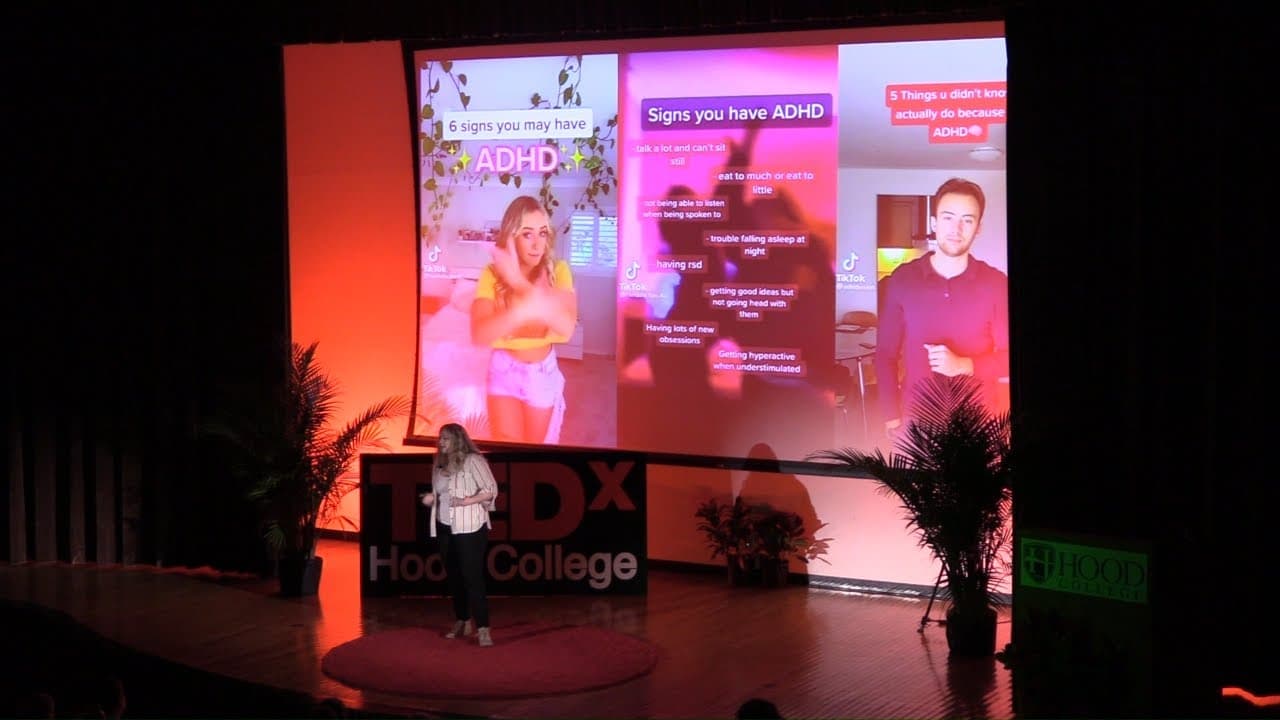
How Mental Health Terminology Has Made Suffering Trendy | Lauren Hayze | TEDxHoodCollege
TL;DR
Misusing mental health terminology, such as casually labeling behavior as OCD or depression, desensitizes their true meaning and impact. This trivialization creates stigma and may prevent individuals from seeking necessary help, as they think their struggles are not serious compared to the lighthearted portrayals often seen on social media.
Transcript
please welcome to the tedx Hood College stage Lauren Hayes so I want you to imagine for just a moment that you have a loved one and they're really struggling with OCD or obsessive I think about that and what symptoms or what do you think this person might be experiencing when I say that well when I mention the word OCD I hope to communicate to you ... Read More
Key Insights
- 🧑⚕️ Misuse of mental health terms changes their meaningful impact.
- 🔉 Social media trends glamorize mental illness, creating false perceptions.
- 🧑⚕️ Proper education and awareness can help protect mental health terminology.
- 🧑⚕️ Advocating for accurate usage of mental health terms is crucial for reducing stigma.
- 🧑⚕️ Desensitization to mental health terms can hinder individuals from seeking help.
- 🍉 Striking a balance between relating to symptoms and using terms accurately is essential.
- 🧑⚕️ People should correct misuse of mental health terms to maintain their meaningful impact.
Install to Summarize YouTube Videos and Get Transcripts
Explore YouTube Video Summarizer or Get YouTube Transcript Extractor
Questions & Answers
Q: How does OCD affect individuals?
OCD causes intrusive thoughts and compulsions, leading to anxiety and impact on mental, physical, and social aspects of life.
Q: What is the danger of misusing mental health terms?
Misusing terms like depression or anxiety desensitizes and stigmatizes real struggles, making it hard for individuals to seek help.
Summary
In this TEDx talk, Lauren Hayes discusses how the casual and incorrect use of mental health terminology in society has led to a desensitization and misrepresentation of mental illnesses. This trend on social media and in everyday language glamorizes mental illness and creates confusion among individuals who may be struggling with actual disorders. The misuse of these terms changes their meaning and diminishes their impact, discouraging individuals from seeking help and support. Hayes emphasizes the importance of protecting mental health terminology and being mindful of how we communicate about mental health.
Questions & Answers
Q: What are the symptoms of someone struggling with OCD?
Someone with OCD may experience intrusive distressing thoughts that cause anxiety which only alleviates when they engage in compulsions. These thoughts and compulsions greatly impact their mental and physical health, sleep, appetite, and job security.
Q: How does the misuse of mental health terms change their meaning?
When we use mental health terms casually or in a hyperbolic manner, we alter their original meaning. For example, when we refer to everyday moods or events using terms like depression, bipolar, or anxiety, we change the perception of these disorders. This desensitization and misrepresentation make it difficult for individuals to express their actual symptoms and needs.
Q: How has mental illness become a trend on social media?
Mental illnesses are now portrayed as something fun, funny, and trendy on social media. Hashtags related to mental illness garner billions of views, and people often post content unrelated to mental health but include popular hashtags just for increased engagement. This trivializes mental illness and diminishes its seriousness.
Q: How does the misuse of mental health terminology affect individuals who need help?
The misuse of mental health terminology makes it difficult for individuals struggling with mental illnesses to seek help. When they see others joking about their symptoms or portraying mental illness in a light manner, it isolates them and makes them feel misunderstood. This stigma and desensitization prevent individuals from getting the support they need.
Q: How can we raise awareness and protect mental health terminology?
It is essential to educate ourselves about mental health and be cautious about where we gather information, especially on social media. While social media can be a great resource for mental health support, we must be sensitive to the accuracy and seriousness of the information we find. We can correct others when they use mental health terminology inappropriately and advocate for accurate representation.
Q: How can we correct the misuse of mental health terminology?
When we notice someone joking or incorrectly using mental health terms, we can gently correct them and provide more accurate alternatives. By saving the facts and speaking up when necessary, we can help change the narrative around mental health and ensure that these terms are used correctly and responsibly.
Q: How has the perception of mental illness changed over time?
While society has become more aware of mental health, the casual and incorrect use of mental health terminology has led to a desensitization and glamorization of mental illness. People often associate mental illness with smiling faces and positive portrayals, which further isolates those who are struggling and prevents them from being taken seriously.
Q: How does the misuse of mental health terms impact individuals' ability to express their struggles?
When mental health terms are misused, individuals find it challenging to convey their actual symptoms and experiences. If someone equates terms like bipolar or depression to everyday mood changes or simple dislikes, it diminishes the weight and seriousness of the disorders. This makes it harder for individuals to articulate their needs and seek appropriate help.
Q: Why should we be cautious about the information we find on social media?
While social media can provide valuable mental health resources and community support, not all information is accurate or helpful. There is a vast amount of shared experiences, but without knowing the source or reliability of the information, it can be challenging to determine if something is beneficial or harmful.
Q: How has the misuse of mental health terminology silenced individuals?
By changing the meaning and impact of mental health terms, society unintentionally silences individuals who are struggling with genuine mental illnesses. When these terms are trivialized or glamorized, people may not realize the seriousness and depth of someone's struggles, making it difficult for individuals to speak up and seek the necessary support.
Takeaways
The casual and incorrect use of mental health terminology on social media and in everyday language has led to a desensitization and misrepresentation of mental illnesses. This trend glamorizes mental illness and makes it challenging for individuals to seek help. To protect mental health terminology, it is crucial to educate ourselves and others, be cautious about the information we find on social media, and correct the misuse of mental health terms when we encounter them. By doing so, we can ensure that individuals struggling with mental illnesses receive the understanding and support they need.
Summary & Key Takeaways
-
OCD symptoms include intrusive thoughts and compulsions affecting daily life.
-
Misusing mental health terms changes their meaning and impact.
-
Social media glamorizes mental illness, desensitizing real struggles.
Read in Other Languages (beta)
Share This Summary 📚
Summarize YouTube Videos and Get Video Transcripts with 1-Click
Try YouTube Summary with ChatGPT & Claude or YouTube Transcript Generator
Explore More Summaries from TEDx Talks 📚



Summarize YouTube Videos and Get Video Transcripts with 1-Click
Try YouTube Summary with ChatGPT & Claude or YouTube Transcript Generator