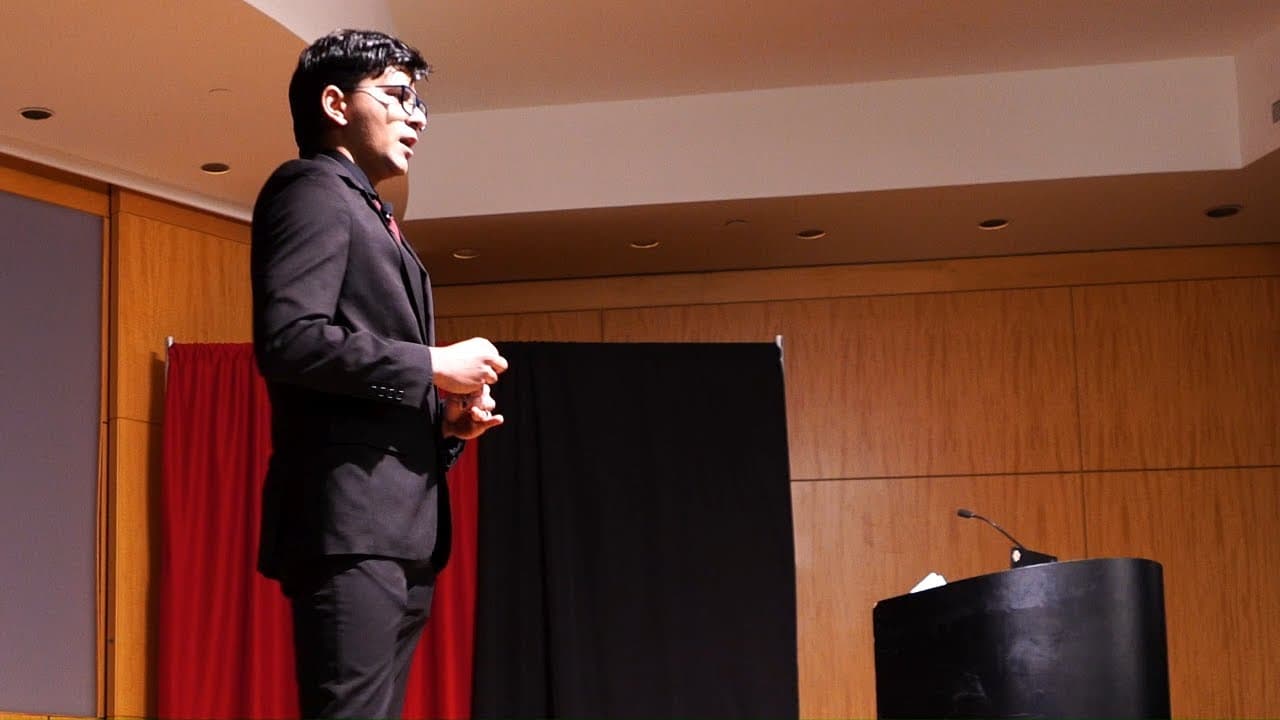
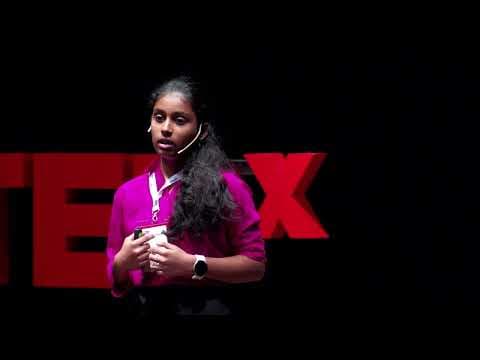
My experiences with Borderline Personality Disorder | Varun Joshi | TEDxGeorgiaStateU
TL;DR
Quiet borderline personality disorder can involve intense emotions, anger, unstable relationships, substance use, self-harm, and suicidal ideation hidden behind a calm, functional exterior. Varun Joshi describes years of misdiagnosis before receiving a BPD diagnosis in October 2022, then explains how the four modules of dialectical behavioral therapy address his struggles. Read on for his experience with diagnosis, setbacks, and DBT skills.
Transcript
foreign I have two friends one of them is kind of crazy he has these intense mood swings that seem to come out of nowhere he gets angry over the smallest of triggers and he has these chaotic unstable relationships and he deals with all this with substance abuse self-harm and constantly considers ending his life and on the other hand I have a friend... Read More
Key Insights
- 🤭 Quiet BPD involves hiding intense BPD symptoms behind a functional facade, leading to unique challenges in diagnosis and treatment.
- ❓ DBT offers significant benefits in managing BPD symptoms, focusing on emotional regulation and distress tolerance.
- 🤭 Reframing perspective and redefining success can help individuals with Quiet BPD navigate setbacks and maintain resilience in their recovery journey.
- 🧑⚕️ Mental health progress is gradual, and setbacks are part of the journey towards recovery for individuals with Quiet BPD.
- 🤭 Success in mental health recovery for individuals with Quiet BPD is about resilience, progress, and continuing to move forward despite challenges.
- 🤞 The importance of maintaining hope, staying resilient, and redefining success in the journey of mental health recovery for individuals with Quiet BPD.
- 🤭 Quiet BPD highlights the complexity of mental illness presentations and the importance of tailored treatment approaches like DBT.
Install to Summarize YouTube Videos and Get Transcripts
Explore YouTube Video Summarizer or Get YouTube Transcript Extractor
Questions & Answers
Q: What is quiet borderline personality disorder?
Varun Joshi describes quiet BPD as a subtype of borderline personality disorder in which a person has BPD traits but hides them from others. Someone may appear calm, smile, earn good grades, and perform well at work while privately experiencing intense emotions, self-harm, substance use, and suicidal ideation.
Q: Why can quiet BPD be difficult to diagnose?
People with quiet BPD may function well in public and conceal their distress, so they may receive no mental health diagnosis or an incorrect one. Joshi says this can leave people struggling for years without addressing the root cause of their symptoms.
Q: How was Varun Joshi initially diagnosed?
Joshi was hospitalized after a suicide attempt in 2018 and diagnosed with major depressive disorder. He spent years believing he had depression and anxiety, but he did not identify with those symptoms and found that the remedies he tried did not resolve his underlying problem.
Q: When was Varun Joshi diagnosed with borderline personality disorder?
Joshi received an official BPD diagnosis from a psychiatrist in October 2022. Before seeking that diagnosis, he researched his symptoms and spoke with friends who had borderline personality disorder.
Q: What treatments did Varun Joshi try before his BPD diagnosis?
Joshi tried reading, exercising, following consistent sleeping and waking times, CBT, individual therapy, and group therapy. He sometimes felt happy, healthy, and productive for a one to two month period, but setbacks and relapses returned because the root cause remained unaddressed.
Q: How does dialectical behavioral therapy help people with BPD?
Joshi says DBT targets the areas that people with BPD struggle with most. Its four modules address interpersonal effectiveness, emotional regulation, distress tolerance, and mindfulness.
Q: What are the four modules of DBT described by Varun Joshi?
Interpersonal effectiveness supports communication, while emotional regulation helps bring intense emotions under control. Distress tolerance helps a person sit with overwhelming emotions without acting on them, and mindfulness builds awareness of harmful behaviors and beliefs.
Q: How does Varun Joshi apply a DBT skill during intense anger?
Joshi describes becoming intensely angry when another driver cuts him off, with his emotions rapidly going from zero to 100. Instead of turning to knives or drugs, he can use an ice pack through a DBT skill called temperature regulation.
Summary
Living with quiet Borderline Personality Disorder (BPD) presents unique challenges. This subtype of BPD involves individuals who exhibit all the typical symptoms but keep them hidden. Getting a diagnosis for quiet BPD can be difficult due to its atypical presentation. The good news is that BPD, including the quiet subtype, is highly treatable, with Dialectical Behavioral Therapy (DBT) being a particularly effective therapy. However, managing the constant inner turmoil and self-hatred can be incredibly challenging, leading to a desire to give up. Overcoming this requires reframing one's perspective, acknowledging progress, and redefining success and mental health recovery.
Questions & Answers
Q: What is the difference between two individuals, one functional and one dysregulated?
The difference between these two individuals is that they are not actually two different people. The speaker is referring to themselves and the way they experience living with quiet BPD. Despite appearing functional and calm on the outside, internally, they struggle with intense emotions, unstable relationships, self-harm, and suicidal thoughts.
Q: Why is getting a diagnosis for quiet BPD challenging?
Quiet BPD presents an atypical presentation of Borderline Personality Disorder, which often leads to difficulties in obtaining a proper diagnosis. Individuals with quiet BPD may either not be diagnosed due to their ability to function well, or they may receive an incorrect diagnosis and struggle for years trying to understand their true condition.
Q: What challenges does quiet BPD bring compared to other subtypes of BPD?
Quiet BPD has its own set of challenges. The quiet subtype allows individuals to hide their intense emotional turmoil and inner struggles, making it harder for others to recognize their need for support. This can result in delayed or incorrect diagnoses, causing individuals to suffer without targeted treatment for their specific BPD symptoms.
Q: How did the speaker struggle with misdiagnosis before receiving a proper BPD diagnosis?
In the past, the speaker was initially hospitalized and diagnosed with major depressive disorder after a suicide attempt. They tried various treatments for depression and anxiety, but nothing seemed to address the root cause of their mental illness. This led to repeated setbacks and relapses until they came across information about borderline personality disorder and resonated with the symptoms.
Q: What treatment has the speaker found effective for managing quiet BPD?
The speaker highlights Dialectical Behavioral Therapy (DBT) as a highly successful treatment for Borderline Personality Disorder, including the quiet subtype. Developed by Dr. Marshall Linehan, who herself experienced BPD, DBT specifically targets the challenges individuals with BPD face. It consists of four modules: interpersonal effectiveness, emotional regulation, distress tolerance, and mindfulness.
Q: What are the four modules of DBT and how do they help individuals with quiet BPD?
The four modules of DBT are interpersonal effectiveness, emotional regulation, distress tolerance, and mindfulness. Interpersonal effectiveness helps individuals with quiet BPD improve their communication skills and manage distress in their relationships. Emotional regulation focuses on teaching strategies to control intense emotions. Distress tolerance helps individuals cope with overwhelming emotions and situations without resorting to harmful behaviors. Mindfulness helps individuals become more aware of negative patterns and beliefs that contribute to their struggles.
Q: How does the speaker use a DBT skill to manage their intense emotions?
The speaker shares an example of using a DBT skill called temperature regulation to manage intense emotions while driving. Instead of turning to harmful behaviors like self-harm or substance abuse, they utilize an ice pack on their forehead. This activates their parasympathetic nervous system, reducing their emotional intensity and allowing them to manage their emotions without acting on them. DBT skills like this provide healthier alternatives for emotional regulation.
Q: What are the statistics on suicide rates for individuals with BPD?
One in ten people with BPD will successfully complete suicide in their lifetime. This highlights the immense difficulty those with BPD face, with the constant inner anguish and desire to end their lives. It emphasizes the importance of finding ways to overcome this desire and keep pushing forward.
Q: How does the speaker manage the constant desire to give up and end things?
The speaker shares two strategies that have helped them persist through the difficult moments. The first is reframing their perspective by focusing on progress rather than setbacks. By looking at how far they have come over the years, they find hope and motivation to keep going. The second strategy is redefining success and mental health recovery. Instead of striving for perfection and symptom-free days, they define success as still being here and still breathing. This redefinition allows them to navigate setbacks and regressions without seeing them as failures.
Q: What final quote does the speaker use to encourage perseverance in mental health recovery?
The speaker shares a quote that helps them during difficult times: "Success is not about never falling down; success is about falling down seven times but getting up for eight." This quote reminds them that setbacks are part of the journey and that resilience is essential in moving forward.
Takeaways
Living with quiet Borderline Personality Disorder presents unique challenges, including a lack of recognition and difficulties in obtaining a diagnosis. However, BPD, including the quiet subtype, is highly treatable, with DBT being a particularly effective therapy. Managing the constant inner turmoil and self-hatred requires reframing perspectives, acknowledging progress, and redefining success and mental health recovery. By persisting and finding motivation through setbacks, individuals with quiet BPD can continue moving forward in their journey to mental wellness.
Summary & Key Takeaways
-
Definition: Quiet BPD is described as a BPD subtype whose traits and intense distress remain hidden from the outside.
-
Compare: A person may appear calm, smile, earn good grades, and work effectively while privately experiencing severe emotional dysregulation.
-
When: Joshi was hospitalized after a suicide attempt in 2018 and was diagnosed with major depressive disorder.
-
Number: Temporary improvements sometimes lasted a one to two month period before setbacks and relapses returned.
-
When: Joshi received an official BPD diagnosis from a psychiatrist in October 2022.
-
Tool: Dialectical behavioral therapy, or DBT, was designed for people with a high likelihood of self-harm and suicide.
-
Number: DBT comprises four modules targeting difficulties associated with BPD.
-
Definition: Interpersonal effectiveness addresses communication, and emotional regulation helps people manage intense emotions.
-
Definition: Distress tolerance helps people endure overwhelming emotions without acting on them until they pass.
-
Definition: Mindfulness builds awareness of negative behaviors and beliefs that produce unwanted consequences.
-
Compare: When anger rises from zero to 100 while driving, Joshi can use an ice pack instead of knives or drugs.
-
Tool: Temperature regulation is the DBT skill Joshi identifies for using an ice pack during intense emotions.
Read in Other Languages (beta)
Share This Summary 📚
Summarize YouTube Videos and Get Video Transcripts with 1-Click
Try YouTube Summary with ChatGPT & Claude or YouTube Transcript Generator
Explore More Summaries from TEDx Talks 📚


Summarize YouTube Videos and Get Video Transcripts with 1-Click
Try YouTube Summary with ChatGPT & Claude or YouTube Transcript Generator