What are nitazines and how do they threaten Europe?
TL;DR
Nitazines are a highly potent synthetic opioid class entering Europe’s drug supply, often contaminating heroin, oxycodone, and even non-traditional products. The video explains how Afghanistan’s poppy ban shifts production routes, how clandestine Chinese labs contribute to new drugs, and why Europe must enhance monitoring and response to prevent a lethal wave.
Transcript
It's 4:00 a.m. and Imagin Goodriidge has just woken up in her flat in Southampton, England. She lives there with her boyfriend Dylan Rosha. She expects to find him next to her, but he's gone. Concerned, Imagin gets up and looks for him. She checks the bathroom and finds Dylan face down on the floor, unresponsive. He struggled with addiction before.... Read More
Key Insights
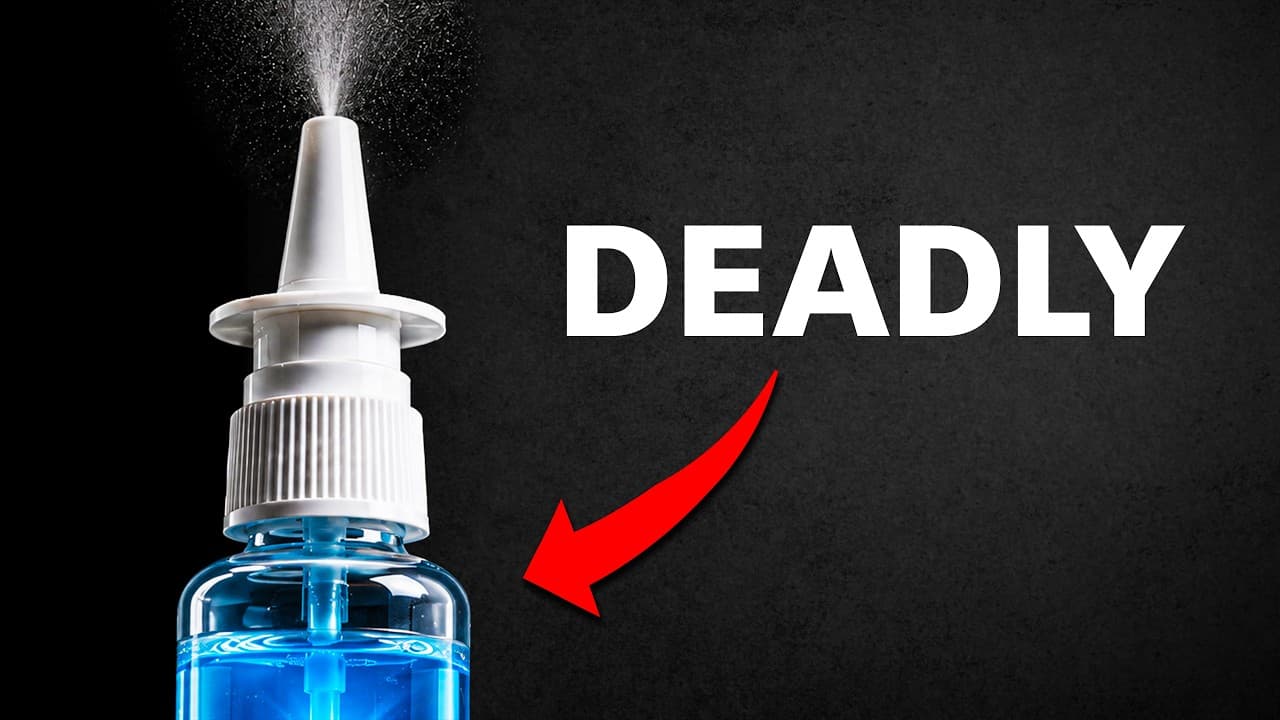
- Nitazines are a highly potent, lesser known class of synthetic opioids that can be found in heroin, oxycodone, and even everyday products like vape liquids and nasal sprays. They raise overdose risk and complicate toxicology analyses.
- The Afghan poppy ban significantly reduces traditional opium cultivation in Helmand, but stockpiles and price pressures shift incentives and may not prevent continuation of opium production under different conditions.
- Europe relies on a longstanding heroin supply chain, but the ban reshapes routes and introduces synthetic alternatives as primary contenders, forcing policymakers to anticipate new forms of drug distribution and pricing dynamics.
- Clandestine labs in China, India, and Russia are reported to produce a range of synthetic opioids, including nitazines, expanding Europe’s exposure to novel compounds.
- Overdose data in Germany and other EU countries show rising deaths, but incomplete autopsy coverage creates uncertainty about the exact substances involved in each case.
- The European Union’s response hinges on proactive monitoring, information sharing, and rapid public health interventions to mitigate a potential surge in synthetic opioid availability and related fatalities.
- The video underscores the need for accurate testing technologies because standard quick scans may misidentify substances, hindering appropriate treatment and prevention strategies.
- Historical lessons from the US show that supply shocks can push users toward synthetic alternatives, suggesting a proactive European approach is essential to prevent a rapid escalation of harm.
- More videos from this channel:
- More from this channel: fern
Install to Summarize YouTube Videos and Get Transcripts
Explore YouTube Video Summarizer or Get YouTube Transcript Extractor
Questions & Answers
Q: What are nitazines and why are they considered dangerous in Europe now?
Nitazines are a class of synthetic opioids that are extremely potent and increasingly found in the European drug supply. They contaminate heroin, oxycodone, and sometimes non-traditional products like nicotine liquids or nasal sprays. Their potency raises overdose risks, complicates toxicology tests, and demands urgent surveillance and rapid public health responses across EU member states to prevent a potential rise in deaths.
Q: How did Afghanistan's poppy cultivation and bans influence heroin supply?
Afghanistan has long supplied a large share of the world opium and European heroin. After the Taliban returned to power, cultivation was banned in 2021, driving prices up and forcing farmers to shift strategies. This shift disrupted traditional supply chains temporarily, but stockpiles and higher costs did not eliminate production entirely, and the region remains a key factor in global heroin dynamics.
Q: What role do Afghan stockpiles play in Europe’s drug landscape?
Stockpiles of opium and heroin from Afghan farmers help cushion the immediate impact of the poppy ban on European markets. Even if Afghan heroin becomes harder to source, existing stockpiles can soften shortages and allow continued supply, while the market explores alternate routes and substances, including synthetic opioids, to meet demand.
Q: Why is Europe worried about a shift to synthetic opioids like nitazines?
Europe has avoided a US style opioid crisis so far, due to stricter prescriptions and harm reduction. However, if Afghan heroin becomes scarce, synthetic opioids such as nitazines could fill the gap, driven by clandestine labs in multiple countries. This shift could increase overdose risks, complicate enforcement, and require new health and regulatory responses.
Q: How do nitazines enter the drug supply in Europe beyond heroin?
Nitazines have been found not only in heroin but also in other drugs such as oxycodone, cocaine, Xanax, ketamine, and even illegal vaping liquids and nasal sprays. This broad contamination increases unpredictability for users and doctors, elevates overdose risk, and challenges standard drug screening and treatment protocols across various settings.
Q: What does the report say about overdose data and autopsies in Europe?
The report notes that some European countries have incomplete autopsy coverage, making it difficult to confirm the exact substances involved in overdose deaths. This diagnostic gap means many nitazine related fatalities could be undercounted or misidentified, complicating policy responses and public health messaging.
Q: What lessons from the US influence European policy on synthetic opioids?
The US experience shows that shortages and supply shocks can drive users toward potent synthetic opioids, increasing overdose risk and fatalities. Europe should anticipate similar dynamics, implement proactive monitoring, strengthen cross border cooperation, expand treatment and harm reduction services, and invest in rapid testing to detect emerging synthetic opioids early.
Q: What actions are suggested to prepare Europe for nitazine driven risks?
The video advocates for enhanced monitoring of illicit markets, better data sharing between EU states, expanded harm reduction and treatment options, and improved toxicology testing to accurately identify nitazines. It also highlights the need for policy coherence and timely action to prevent a potential surge in deaths tied to synthetic opioids.
Summary & Key Takeaways
-
Nitazines are a highly potent class of synthetic opioids that increasingly appear in European drug supplies and have caused concern among authorities. The video connects the dots between Afghanistan’s poppy ban, shifting trafficking routes, and the rise of nitazine analogs in various products.
-
Europe has historically avoided the US style opioid crisis, but the emergence of nitazines and other synthetic opioids challenges prevention and treatment efforts. The discussion highlights the need for improved data, enforcement, and health responses across EU member states.
-
The analysis emphasizes that accurate detection, autopsy limitations, and cross border cooperation will be essential to identify actual drug contents and prevent deaths as new synthetic opioids proliferate in the European market.
Read in Other Languages (beta)
Share This Summary 📚
Summarize YouTube Videos and Get Video Transcripts with 1-Click
Try YouTube Summary with ChatGPT & Claude or YouTube Transcript Generator
Explore More Summaries from fern 📚




Summarize YouTube Videos and Get Video Transcripts with 1-Click
Try YouTube Summary with ChatGPT & Claude or YouTube Transcript Generator