6. The Disordered Soul: Thémis and PTSD
TL;DR
The content discusses the concept of order and moral order in human society, using examples from Aristotle's views on happiness, Jonathan Shay's analysis of the Iliad and Vietnam War, and Stanley Milgram's experiments on obedience.
Transcript
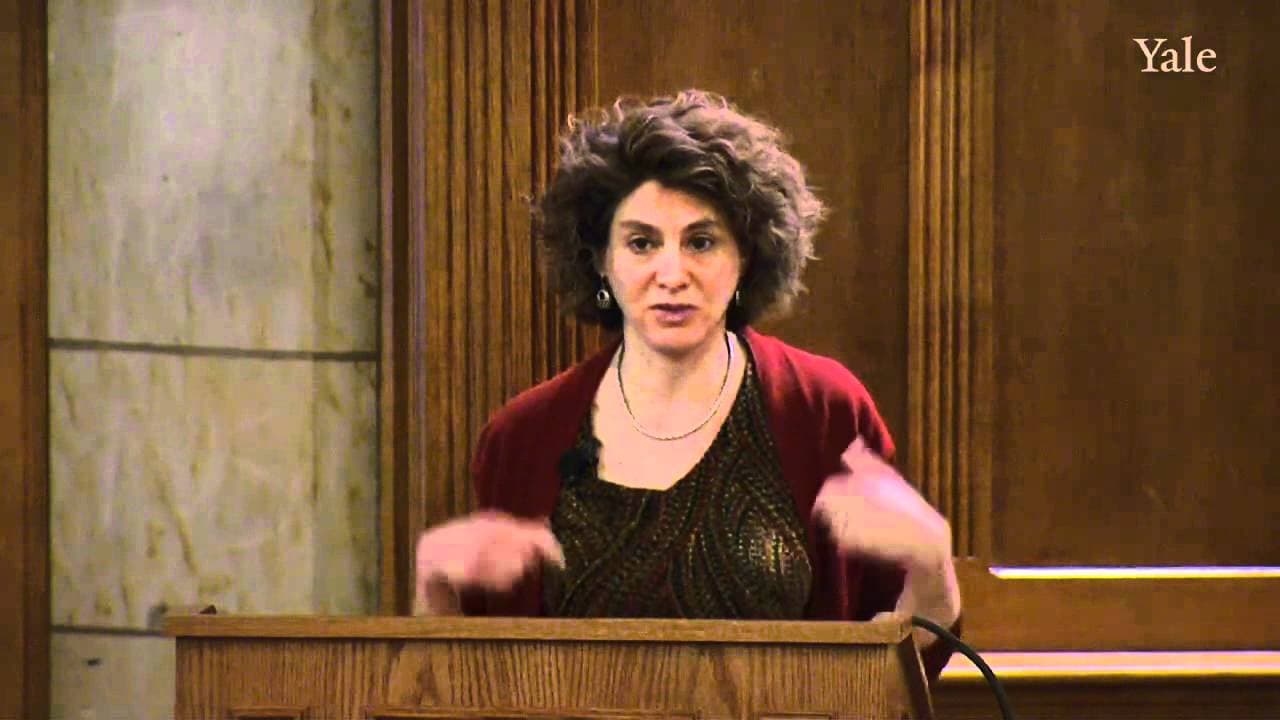
PROFESSOR: So we have quite a bit to do in lecture today, but there are two main things that are going to happen. The first is that I finish up the discussion of Aristotle's views on happiness and harmony, and the second is that I want to introduce you to the topic of the disordered soul. And for the second part of the lecture, we'll be using our c... Read More
Key Insights
- 💡 The ancient idea of eudaimonia emphasizes the importance of harmony in the soul for human flourishing and happiness.
- 🫱 The Iliad and the experiences of Vietnam War veterans illustrate the consequences of moral injuries caused by betrayal and disorder in war.
- 🪡 Stanley Milgram's experiments demonstrate how societal structures can override individuals' moral principles, highlighting the need for a moral order.
Install to Summarize YouTube Videos and Get Transcripts
Explore YouTube Video Summarizer or Get YouTube Transcript Extractor
Questions & Answers
Q: What is Aristotle's view on happiness and harmony?
According to Aristotle, happiness and harmony can be achieved when a person's reason, emotions, and instincts align with their reflective commitments. This leads to a flourishing and thriving life.
Q: How does disorder in the soul manifest in the Iliad and Vietnam War?
In the Iliad, Achilles experiences moral injuries due to the betrayal of honor and the violation of rules in warfare. Similarly, Vietnam War veterans suffer from post-traumatic stress disorder, which affects their actions, perceptions, and social interactions.
Q: What did Stanley Milgram's experiments reveal about obedience and moral order?
Milgram's experiments showed that people can act against their moral principles and engage in harmful behavior when instructed by an authority figure. This highlights the influence of societal structures on individual behavior and the need for a moral order.
Q: What is the connection between disorder in the soul and the loss of social trust?
Disorder in the soul, such as the heightened alertness and perceiving things as potential dangers, can lead to a loss of social trust. This is because individuals become risk-averse and view interactions with others through a negative lens, making it challenging to form trusting relationships.
Summary & Key Takeaways
-
The content explores Aristotle's belief in the importance of harmony in the soul and how it leads to flourishing and happiness.
-
It discusses how disorder in the soul, as shown in the Iliad and experienced by Vietnam War veterans, can lead to moral injuries and challenges the moral order.
-
The content also introduces Stanley Milgram's experiments on obedience, highlighting how societal structures can influence behavior and the importance of moral order.
Read in Other Languages (beta)
Share This Summary 📚
Summarize YouTube Videos and Get Video Transcripts with 1-Click
Try YouTube Summary with ChatGPT & Claude or YouTube Transcript Generator
Explore More Summaries from YaleCourses 📚





Summarize YouTube Videos and Get Video Transcripts with 1-Click
Try YouTube Summary with ChatGPT & Claude or YouTube Transcript Generator