How to Avoid Health Mistakes After 50
TL;DR
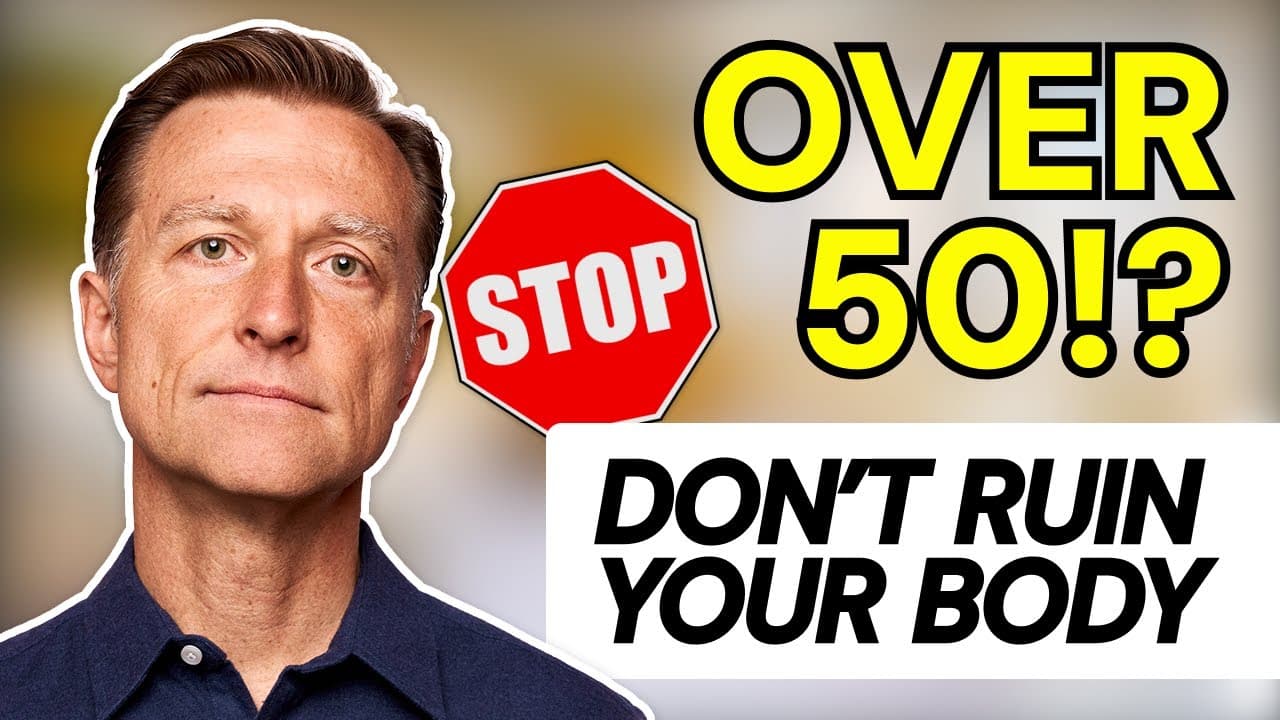
Avoiding common health mistakes is crucial, especially after age 50. Key steps include seeking advice from experienced professionals, being cautious with diagnoses, managing stress, and ensuring adequate intake of essential nutrients like vitamin D, magnesium, and zinc. Regular exercise and maintaining a healthy diet focused on protein and low in carbohydrates are also vital.
Transcript
today I want to discuss the real common mistakes that people make that end up keeping them very unhealthy this information becomes very important as you age especially over 50 but if you're younger take notes and you're definitely not going to find this information if you just ask your average doctor they're not expert in nutrition they just don't ... Read More
Key Insights
- Vitamin D influences 10% of your genes and requires high doses for therapeutic effects, especially in autoimmune diseases.
- Magnesium is vital for heart health and energy production, and works synergistically with vitamin D and zinc.
- Calcium and iron can become toxic with age; magnesium helps regulate calcium while excess iron is difficult to eliminate.
- Cholesterol is essential for hormone production, especially post-menopause, and is found in foods like eggs and shellfish.
- Frequent eating raises insulin levels, contributing to chronic illnesses; reducing meal frequency can mitigate this.
- Autoimmune diseases may stem from low vitamin D and stress; gut health and vitamin D receptor function are critical.
- The gut microbiome acts as an organ, influencing immune function, mood, and digestion; antibiotics can permanently alter it.
- Exercise and a supportive environment are key for stress management and overall health maintenance.
Install to Summarize YouTube Videos and Get Transcripts
Explore YouTube Video Summarizer or Get YouTube Transcript Extractor
Questions & Answers
Q: How does vitamin D influence health?
Vitamin D influences 10% of your genes and is crucial for various health benefits, including immune support and reducing the risk of autoimmune diseases. High doses are often needed for therapeutic effects, especially in conditions like glaucoma and fibroids, where vitamin D3 is used to remodel tissues and improve health outcomes.
Q: Why is magnesium important for heart health?
Magnesium is vital for heart health as it helps regulate heart rhythm and supports energy production. It works synergistically with vitamin D and zinc to maintain overall health. Magnesium deficiency is common and can lead to various heart-related issues, emphasizing the need for adequate intake through diet or supplements.
Q: What are the risks of excess calcium and iron?
Excess calcium can lead to calcification of soft tissues, increasing the risk of heart disease, while excess iron is difficult to eliminate and can cause organ damage. Magnesium helps regulate calcium levels, and it's important to monitor iron intake to prevent toxicity, especially as the body naturally accumulates iron over time.
Q: How does cholesterol affect hormone production?
Cholesterol is a building block for sex hormones like testosterone, progesterone, and estrogen. Adequate cholesterol intake is crucial, especially after menopause, as it supports the production of these hormones. Foods like eggs, butter, and shellfish are rich in cholesterol and should be included in the diet to maintain hormonal balance.
Q: Why should meal frequency be reduced?
Reducing meal frequency helps lower insulin levels, which is important for preventing chronic illnesses such as diabetes, high blood pressure, and fatty liver. Frequent eating stimulates insulin production, so consolidating meals into two per day can help manage insulin levels and support metabolic health.
Q: How are autoimmune diseases linked to vitamin D?
Autoimmune diseases are often associated with low vitamin D levels and stress. Vitamin D receptors can be downgraded by microbes, viruses, and other pathogens, weakening the immune response. Stress can further suppress the immune system, making adequate vitamin D intake and stress management crucial for preventing autoimmune conditions.
Q: What is the role of the gut microbiome in health?
The gut microbiome acts as an organ that significantly impacts immune function, mood, cognitive function, and digestion. It produces neurotransmitters and vitamins, influences sleep quality, and even helps protect against cancer. Maintaining a healthy microbiome through fermented foods and probiotics is essential for overall well-being.
Q: How can stress management improve health?
Managing stress through regular exercise and creating a supportive environment is vital for maintaining health. Stress can elevate cortisol levels, suppress the immune system, and contribute to chronic illnesses. Exercise helps flush out stress hormones like cortisol and adrenaline, while a positive environment supports mental and physical health.
Summary & Key Takeaways
-
Understanding the role of essential nutrients like vitamin D, magnesium, and zinc is crucial for maintaining health after 50. These nutrients work together to support various bodily functions and prevent deficiencies. Avoiding excess calcium and iron is also important, as they can become toxic with age.
-
Maintaining a healthy diet focused on protein and low in carbohydrates is vital. Frequent eating should be avoided to prevent insulin spikes, which are linked to chronic illnesses like diabetes and high blood pressure. Regular exercise helps manage stress and supports overall well-being.
-
The gut microbiome plays a significant role in health, acting as an organ that influences immune function, mood, and digestion. Preserving gut health through fermented foods and probiotics is essential, as antibiotics can cause permanent changes to the microbiome.
Read in Other Languages (beta)
Share This Summary 📚
Summarize YouTube Videos and Get Video Transcripts with 1-Click
Try YouTube Summary with ChatGPT & Claude or YouTube Transcript Generator
Explore More Summaries from Dr. Eric Berg DC 📚


Summarize YouTube Videos and Get Video Transcripts with 1-Click
Try YouTube Summary with ChatGPT & Claude or YouTube Transcript Generator