Why Did Most Humans Die Before Reaching Adulthood?
TL;DR
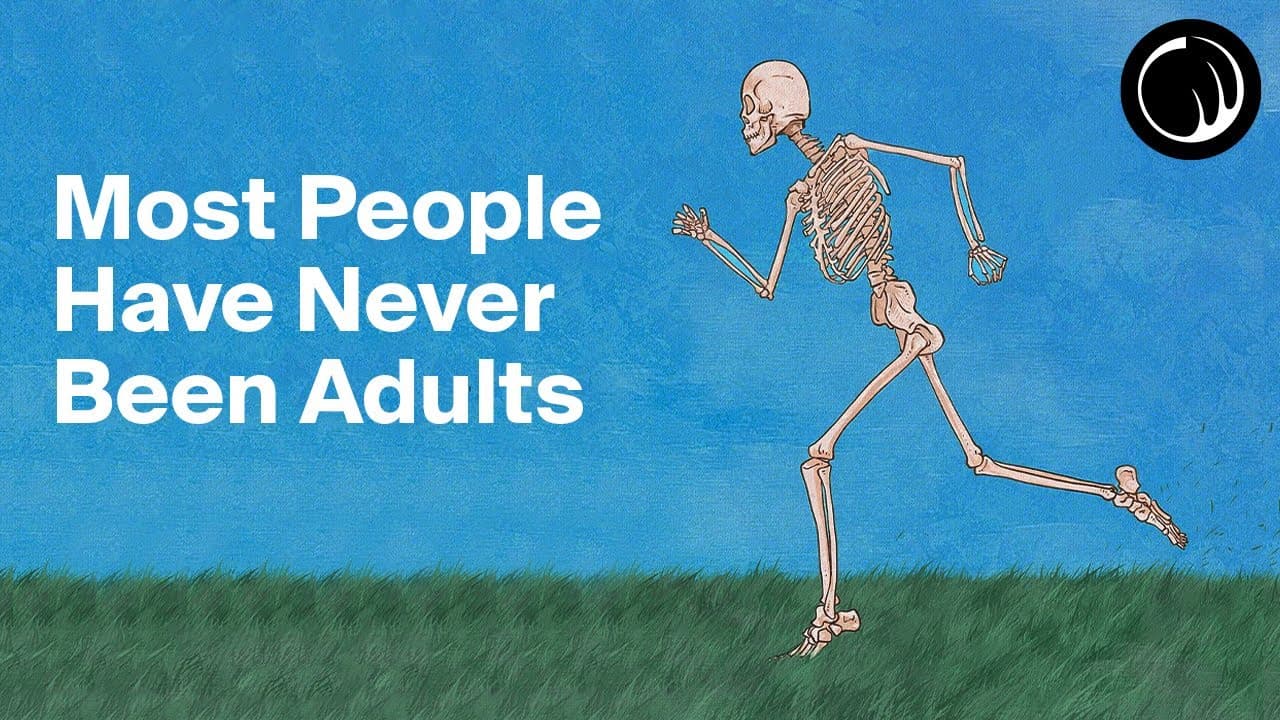
Most humans across history did not reach adulthood because infant and child mortality was extraordinarily high, even while birth rates greatly exceeded modern levels. Medical advances, technology, public health, and improved understanding reduced global mortality for children aged fifteen and under to around 4%, helping raise average global life expectancy to about 73 years.
Transcript
If you live to the age of twenty, you will have lived longer than most humans have ever lived. You will have had more years, more months, more days, more minutes—you will have experienced more moments, more opportunities, more stages of yourself than most people have ever had or experienced in history. 117 billion. That’s roughly how many modern... Read More
Key Insights
- Roughly 117 billion modern humans have existed, and eight billion were alive in 2024. Although that means about 7% of everyone ever born was living at once, most humans did not belong to the recent era of billion-person global populations.
- More than half of all humans who ever existed lived before 100 CE. Around sixty billion people inhabited the world during or before that period, despite the global population being far smaller at any single moment than it is today.
- High historical child mortality explains how small populations produced billions of lives over time. Many children were born, but many died too young to remain in the population, reproduce, or contribute to sustained growth across generations.
- Death during childhood was historically normal rather than exceptional. At least one out of every three children in many agricultural societies died before twenty, while half of children in 1750 Bavaria died before reaching fifteen.
- Roman Egypt had an especially severe childhood survival pattern around 1 CE. Nearly 60% of children died before age fifteen, illustrating why a society's overall life expectancy could fall as low as ten years.
- Pre-modern birth rates were much higher than modern rates, commonly reaching 4.5 to 7 children per woman. In 1750 Bavaria, women averaged at least five to seven children, but heavy childhood losses prevented rapid population expansion.
- Modern survival reflects advances in global health, medicine, technology, and human understanding. Global mortality among children aged fifteen and under is around 4%, while average global life expectancy has reached approximately 73 years.
- A long modern life provides historically unusual access to knowledge, choice, mobility, literacy, health care, and technology. The challenge ahead is to pair humanity's inventive capacity with wisdom, creating lives that are not only longer but also good and sustainable.
Install to Summarize YouTube Videos and Get Transcripts
Explore YouTube Video Summarizer or Get YouTube Transcript Extractor
Questions & Answers
Q: Why did most humans in history never become adults?
Most humans failed to reach adulthood because infant and child mortality remained extremely high through much of history. Disease-ridden settlements, cereal-heavy childhood diets, shorter periods of breastfeeding, and competition among siblings for food contributed to deaths in agricultural societies. Many families had numerous children, but a large share died before fifteen or twenty, keeping populations relatively small despite high birth rates.
Q: How could sixty billion people live before 100 CE?
Around sixty billion humans could have lived before 100 CE because population size at one moment is different from the cumulative number of births across many generations. Historical societies produced many children, often 4.5 to 7 per woman, but enormous numbers died during infancy or childhood. Repeated cycles of high birth rates and early deaths accumulated billions of lives without creating a large surviving population.
Q: How high was child mortality in pre-modern societies?
Child mortality was often severe enough to make early death a normal part of life. In many agricultural societies, at least one out of every three children died before reaching twenty. In 1750 Bavaria, 50% died before fifteen, and in Roman Egypt around 1 CE, nearly 60% died before that age. These losses could reduce overall life expectancy to as little as ten years.
Q: Why did high birth rates not produce rapid population growth?
High birth rates did not create rapid growth because death rates, particularly among infants and children, remained similarly high. Pre-modern women commonly had 4.5 to 7 children, and women in 1750 Bavaria averaged at least five to seven. Because many children never survived childhood, they could not remain in the population or have children themselves, so societies struggled to make births consistently outpace deaths.
Q: How has child survival changed in the modern era?
Child survival has improved dramatically through global health measures, medical advancements, technology, and increased human understanding. Mortality among children aged fifteen and under is now around 4% globally. Most newborns therefore survive infancy and childhood, unlike children in many earlier societies. This change also supports an average global life expectancy of about 73 years and allows most adults to reach their seventies.
Q: What does life expectancy measure?
Life expectancy is the average number of years a population can expect to live, calculated from the numbers of people alive and deaths occurring at each age. It reflects age-specific mortality rates rather than guaranteeing how long any individual will live. Historically high infant and child death rates could pull a society's overall life expectancy down to very low levels, even when some people survived much longer.
Q: Why is living past twenty historically unusual?
Living past twenty is historically unusual because most humans who ever existed faced a substantial risk of dying during infancy or childhood. The transcript argues that reaching twenty means experiencing more years, stages, moments, and opportunities than most humans received. Modern people commonly live fifty to sixty years longer than many historical humans because survival conditions have changed through health, medicine, technology, and accumulated knowledge.
Q: What responsibility follows from humanity's longer modern lives?
Longer lives allow people to benefit from inventions, knowledge, health care, literacy, transportation, and personal choices that most historical humans never experienced. Yet the same human ingenuity has also produced destruction of the world and humanity itself. The proposed responsibility is to develop wisdom alongside innovation, so people can pursue lives that are not merely long and decorated, but also good and sustainable.
Summary & Key Takeaways
-
More than half of all humans who have ever existed, around sixty billion people, lived before 100 CE. This is possible because historical birth rates were high while infant and child deaths were common, producing enormous numbers of brief lives without causing the sustained population growth seen in recent centuries.
-
Agricultural societies often had 4.5 to 7 children per woman, yet many populations barely grew because deaths nearly matched births. In 1750 Bavaria, half of children died before fifteen, while nearly 60% did so in Roman Egypt around 1 CE. Reaching adulthood was historically far from guaranteed.
-
Global health, medical advances, technology, and accumulated understanding transformed survival. Child mortality for ages fifteen and under is now around 4% globally, and average life expectancy is about 73 years. Modern people consequently experience decades, technologies, knowledge, choices, and opportunities that were unavailable to most humans who ever lived.
Read in Other Languages (beta)
Share This Summary 📚
Summarize YouTube Videos and Get Video Transcripts with 1-Click
Try YouTube Summary with ChatGPT & Claude or YouTube Transcript Generator
Explore More Summaries from Pursuit of Wonder 📚






Summarize YouTube Videos and Get Video Transcripts with 1-Click
Try YouTube Summary with ChatGPT & Claude or YouTube Transcript Generator