What Does Kafkaesque Mean in Literature?
TL;DR
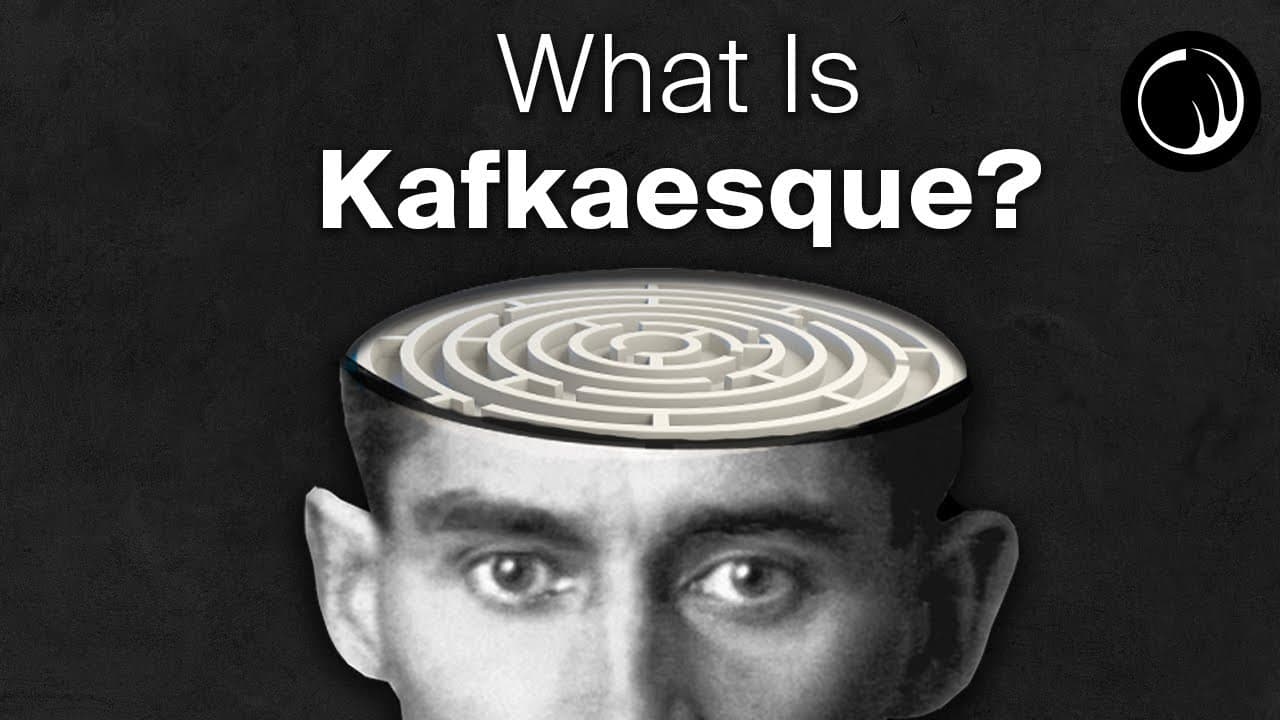
Kafkaesque describes a unique literary style characterized by dark absurdity and complex bureaucracies. It reflects the struggles of individuals facing incomprehensible challenges, mirroring Kafka's own experiences with anxiety and familial expectations. Ultimately, Kafka's works resonate due to their exploration of common human fears and the quest for meaning in a chaotic world.
Transcript
Franz Kafka is regarded as one of the greatest literary figures in recent history. He is known for his uniquely dark, disorienting and surreal writing style A style and quality still particular tune that anything that resembles it has come to be known and referred to as Kafkaesque. To understand his writing in the qualities of Kafkaesque It is help... Read More
Key Insights
- ‼️ Kafka's life was marked by disappointment from his father and a constant struggle with anxiety and self-hatred.
- 🐦⬛ His work reflected his experiences in complex bureaucratic systems, highlighting themes of absurdity, corruption, and the lack of control.
- 🇩🇬 Kafka's writing went unnoticed during his lifetime, and he died believing his work was unworthy, but Max Brod preserved and published his manuscripts after his death.
- 🎙️ More videos with Franz Kafka:
Install to Summarize YouTube Videos and Get Transcripts
Explore YouTube Video Summarizer or Get YouTube Transcript Extractor
Questions & Answers
Q: What role did Kafka's father play in shaping his life and writing?
Kafka's father, Hermann, expected his son to measure up to his ideal stature of success. However, Kafka's small and sickly nature disappointed his father, leading to psychological abuses and the suppression of Kafka's writing pursuits.
Q: How did Kafka's work reflect his experiences in the bureaucratic systems he encountered?
Kafka worked in an insurance company, where he experienced long hours, unpaid overtime, and complex bureaucratic systems. This misery influenced his writing, characterized by themes of absurdity, corruption, and a lack of control over the systems individuals encounter.
Q: Why did Kafka's work go unnoticed during his lifetime?
Kafka's first three collections of work sold poorly and remained unnoticed. He believed that his writing was unworthy and left much of it unfinished. Thus, he did not attempt to publish more of his work before his untimely death.
Q: How did Max Brod become responsible for preserving Kafka's work?
Max Brod, one of Kafka's real friends and writers, convinced him to publish his first three collections of work. After Kafka's death, Brod disregarded Kafka's instructions to burn his unpublished manuscripts and instead worked to organize and publish them, securing Kafka's posthumous recognition.
Key Insights:
- Kafka's life was marked by disappointment from his father and a constant struggle with anxiety and self-hatred.
- His work reflected his experiences in complex bureaucratic systems, highlighting themes of absurdity, corruption, and the lack of control.
- Kafka's writing went unnoticed during his lifetime, and he died believing his work was unworthy, but Max Brod preserved and published his manuscripts after his death.
- Kafka's work exemplifies the human desire to understand and overcome existential problems, even in the face of senselessness and inescapable struggles.
Summary & Key Takeaways
-
Franz Kafka, a renowned literary figure, was born into a successful family but lived a small, anxious, and sickly life, causing disappointment to his father.
-
Kafka pursued writing as a means of dealing with his anxiety and guilt, but his father forced him to pursue law as a profession.
-
Kafka's work remained unnoticed during his lifetime, and he died believing his writing was unworthy, but his friend, Max Brod, saved and published his manuscripts, leading to Kafka's posthumous recognition.
Read in Other Languages (beta)
Share This Summary 📚
Summarize YouTube Videos and Get Video Transcripts with 1-Click
Try YouTube Summary with ChatGPT & Claude or YouTube Transcript Generator
Explore More Summaries from Pursuit of Wonder 📚
Summarize YouTube Videos and Get Video Transcripts with 1-Click
Try YouTube Summary with ChatGPT & Claude or YouTube Transcript Generator