Which Smartwatches Track Sports and Health Best?
TL;DR
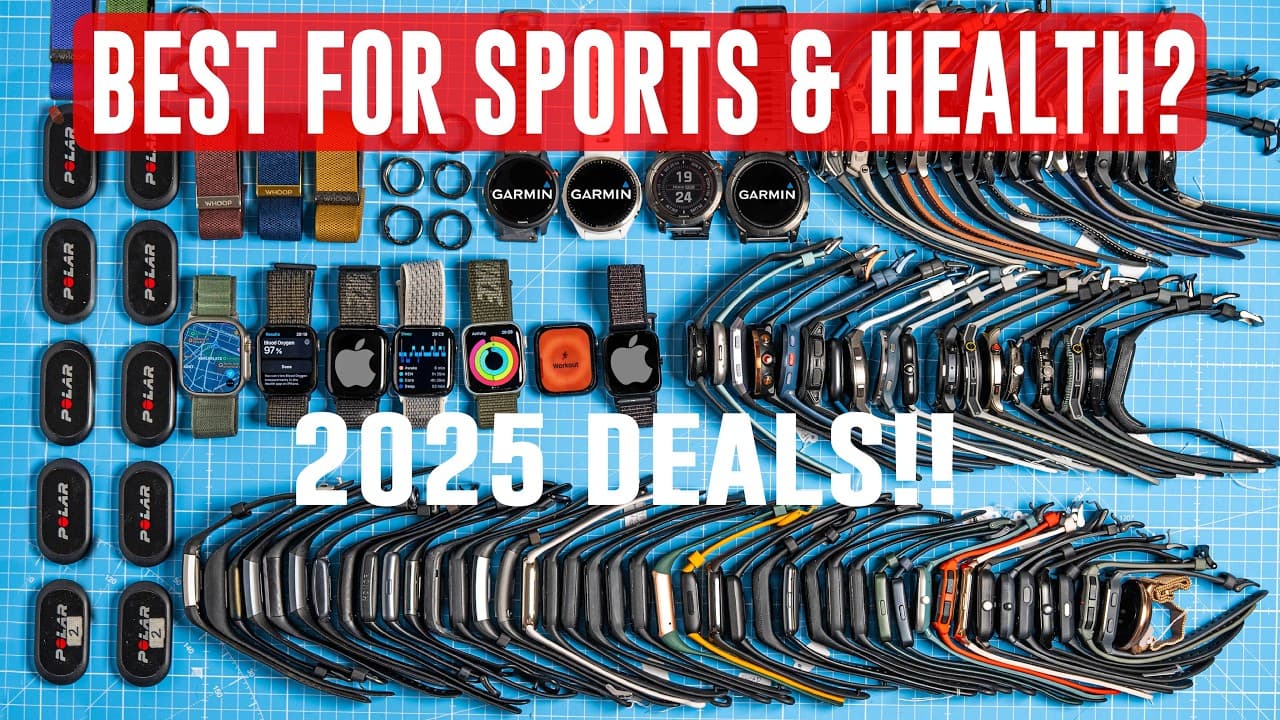
Apple Watches, Pixel Watch 3, Amazfit Helio Strap, Huawei Watch Fit models, and select in-ear devices delivered strong heart-rate results across multiple exercises. The best choice depends on activity, fit, software, and ecosystem, while Garmin and COROS users may benefit from connecting an external chest strap when wrist-based accuracy is inconsistent.
Transcript
If you want to track your sports or your health, what does science say are the best devices to get? Well, in my testing in different categories, there are clear winners. And you don't always need to get the most expensive or newest device to get great heart rate tracking, GPS tracking, or sleep tracking. However, for some specific features, you mig... Read More
Key Insights
- Heart-rate accuracy varies by exercise because indoor cycling is relatively easy for optical sensors, while outdoor cycling, running, and weightlifting introduce movement and other tracking difficulties. Buyers should judge a device using results from activities that resemble their own training.
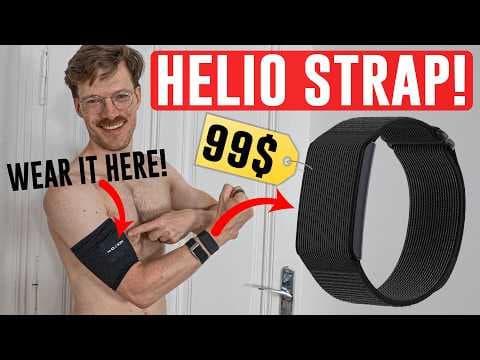
- The Amazfit Helio Strap is one of the strongest heart-rate performers when worn on the biceps. It performed well during indoor cycling, outdoor cycling, running, and weightlifting, while wrist placement produced somewhat weaker results, as expected from the different wearing position.
- The Apple AirPods Pro 3 delivered excellent heart-rate tracking during indoor and outdoor cycling and ranked among the strongest devices for weightlifting. Running results were generally good, although an initial run showed issues, and a secure fit was identified as especially important.
- The Apple Watch Series 10 remains a strong option despite being an older generation. It performed well during spinning, outdoor cycling, indoor and outdoor running, and weightlifting, although Apple Watches can experience heart-rate dropouts rather than maintaining continuous detection during weightlifting.
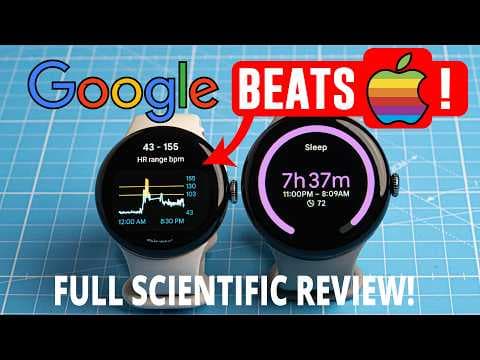
- The Pixel Watch 3 performed strongly across multiple exercise categories and uses the same updated sleep-stage algorithm discussed for Fitbit Charge 6. Its results show that shoppers do not necessarily need to wait for a newer device to obtain capable sports and sleep tracking.
- Garmin watches provide a strong ecosystem with support for numerous external sensors, but wrist-based heart-rate performance can vary by activity. The Forerunner 570 performed well for running but less strongly for cycling and weightlifting, making a connected chest strap the general recommendation.
- The Fitbit Charge 6 offers acceptable rather than leading heart-rate tracking for its price. Its more compelling strength is sleep-stage tracking, particularly after receiving the updated algorithm that was also tested on the Pixel Watch 3 and described as performing extremely well.
- The Huawei Watch Fit family provides strong heart-rate tracking at a comparatively accessible positioning. Watch Fit 2, Watch Fit 3, Watch Fit 4, and Watch Fit 4 Pro appeared among capable devices, and the Watch Fit 3 offers broadly similar looks to the Watch Fit 4.
Install to Summarize YouTube Videos and Get Transcripts
Explore YouTube Video Summarizer or Get YouTube Transcript Extractor
Questions & Answers
Q: Which smartwatch provides the best heart-rate tracking across different sports?
No single device is declared the universal winner, but several models repeatedly performed well across different exercises. Strong options included older Apple Watches such as Series 9 and Series 10, Pixel Watch 3, Amazfit Helio Strap, and Huawei Watch Fit models. AirPods Pro 3 also produced excellent results, while the ideal selection depends on activity, fit, ecosystem, and preferred form factor.
Q: Do you need the newest smartwatch for accurate fitness tracking?
The newest or most expensive model is not required for strong fitness tracking. Apple Watch Series 9 and Series 10 remained highly capable, and Pixel Watch 3 already delivered good performance before its successor arrived. Huawei Watch Fit 3 and even Watch Fit 2 also performed well. Older devices can therefore offer strong value when their tested accuracy and available features meet the buyer's needs.
Q: Why does smartwatch heart-rate accuracy change between exercises?
Exercise conditions determine how difficult heart-rate measurement becomes. Indoor cycling is relatively easy for devices because movement is controlled, while outdoor cycling creates a wider spread in performance. Running is difficult because of repeated bumpiness, and weightlifting challenges most trackers. Results from one activity should not be assumed to represent performance during every other type of exercise.
Q: Is the Amazfit Helio Strap more accurate on the wrist or biceps?
The Amazfit Helio Strap performed better when worn on the biceps than on the wrist. In the biceps position, it ranked among the top performers for indoor cycling, outdoor cycling, and running, and it also did relatively well for weightlifting. Wrist performance remained useful but was somewhat weaker, which matched the expected effect of changing the sensor's placement.
Q: Are AirPods Pro 3 good for tracking heart rate during exercise?
AirPods Pro 3 were among the strongest heart-rate trackers tested for indoor and outdoor cycling, and they also performed very well during weightlifting. Running results were generally good, although the initial run produced some issues. Fit is particularly important during running, and using the earphones for tracking requires carrying a compatible phone, with the recommendation specifically directed toward iPhone users.
Q: Should Garmin users connect an external heart-rate monitor?
Connecting an external chest strap is the general recommendation for Garmin users who prioritize heart-rate accuracy. The Forerunner 570 performed well for running but was less convincing during cycling and weightlifting, while Venu 3 was described as a well-rounded Garmin option. Garmin's major advantage is its ecosystem and ability to connect numerous sensors, which can compensate for inconsistent wrist measurements.
Q: Is Fitbit Charge 6 good for heart-rate and sleep tracking?
Fitbit Charge 6 provides acceptable heart-rate tracking for its price, although it is neither the strongest nor the weakest option discussed. Its main advantage is sleep-stage tracking. The device uses Google's updated sleep-stage algorithm, the same algorithm tested on Pixel Watch 3, and that updated approach was characterized as producing exceptionally strong sleep-stage results.
Q: What should buyers consider besides smartwatch sensor accuracy?
Buyers should evaluate the app experience, data interpretation, firmware, activity-specific accuracy, comfort, fit, sensor compatibility, and access to software features. Garmin excels at connecting external sensors, but some mid-range Forerunner models can exclude mapping capabilities. A device with excellent hardware measurements may still be a poor choice if its ecosystem, wearing style, or feature restrictions do not match the user's needs.
Summary & Key Takeaways
-
Accurate heart-rate tracking does not always require the newest or most expensive wearable. Older Apple Watches, Pixel Watch 3, Amazfit Helio Strap, Huawei Watch Fit models, Polar Verity Sense, Fitbit Charge 6, Powerbeats Pro 2, and AirPods Pro 3 produced useful results in at least some tested exercise categories.
-
Exercise type strongly affects wearable performance. Indoor cycling is relatively easy to measure, while outdoor cycling and running create greater challenges. Running introduces substantial movement, and weightlifting causes difficulties for many devices. A tracker that performs well during one activity may therefore be less reliable during another.
-
Hardware accuracy is only part of the purchasing decision. App quality, data interpretation, firmware, sensor compatibility, mapping access, comfort, and fit also matter. Garmin offers a strong ecosystem for connecting external sensors, while Fitbit Charge 6 combines acceptable heart-rate tracking for its price with especially strong sleep-stage tracking.
Read in Other Languages (beta)
Share This Summary 📚
Summarize YouTube Videos and Get Video Transcripts with 1-Click
Try YouTube Summary with ChatGPT & Claude or YouTube Transcript Generator
Explore More Summaries from The Quantified Scientist 📚
Summarize YouTube Videos and Get Video Transcripts with 1-Click
Try YouTube Summary with ChatGPT & Claude or YouTube Transcript Generator