8 tiny habits that help me avoid procrastination
TL;DR
Eight tiny habits can reduce procrastination by making intimidating tasks easier to start and sustain. They include previewing a big project for five to ten minutes the night before, tackling the hardest task first, immediately completing tasks that take no more than two minutes, committing five minutes to a daunting project, changing environments, and reframing work as enjoyable. Read on to see when and how each tactic helps.
Transcript
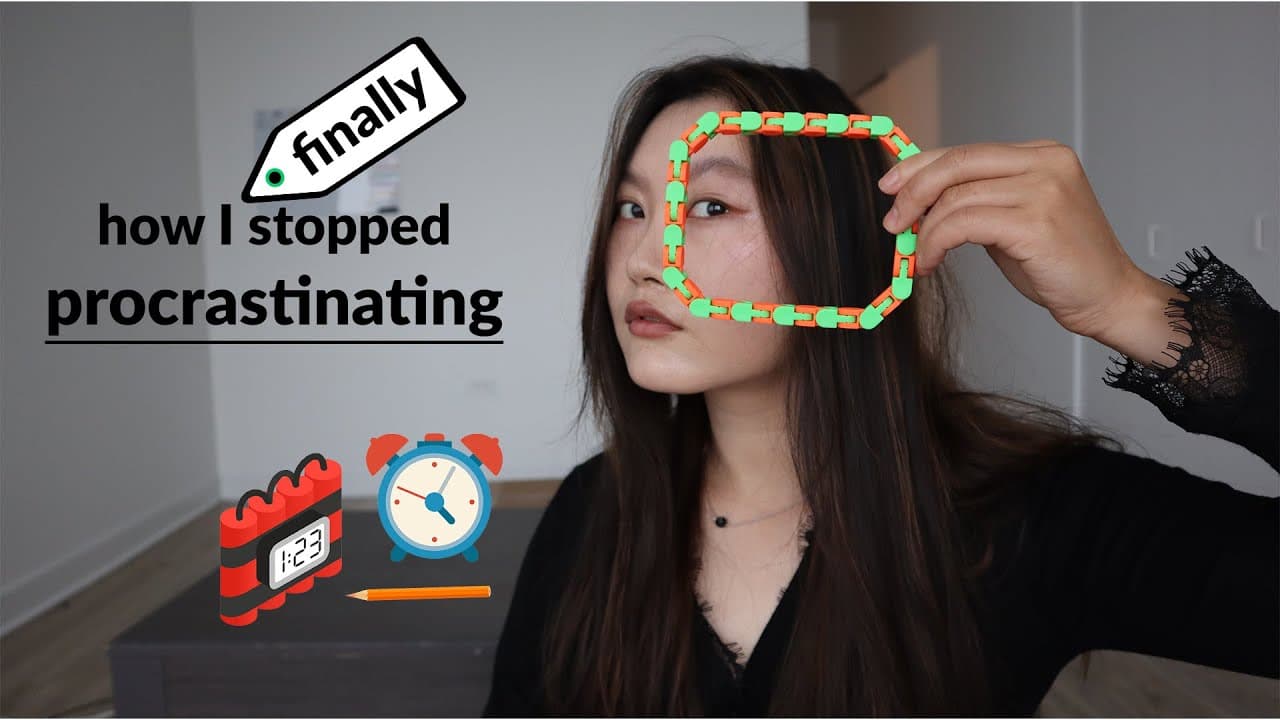
hey friends how's it going don't mind me i'm just sitting on my two cardboard boxes over here i'm gonna be moving at the end of this week so most of my stuff is already packed but anyways today's topic is procrastination procrastination is something that i really really struggled with for me my procrastination primarily stems from fear i'm a perfec... Read More
Key Insights
- Procrastination often stems from fear, including fear of failure and the unknown, which can be mitigated through small, intentional habits.
- Starting big tasks at the end of the day helps reduce the fear of the unknown, making the task feel more approachable the next day.
- Prioritizing the hardest tasks first, when willpower is strongest, can set a positive tone for the rest of the day.
- The two-minute rule encourages immediate action on tasks that take less than two minutes, preventing unnecessary mental burden.
- The five-minute rule focuses on input-based goals, making daunting tasks feel manageable and often leading to continued work beyond the initial five minutes.
- Changing environments can help reset motivation and focus, allowing individuals to 'borrow' energy from their surroundings.
- Leaving slightly valuable personal items in public places can motivate a return to productive environments, reducing the temptation to procrastinate.
- Reframing tasks to find enjoyment can enhance motivation, making it easier to approach activities that might otherwise feel obligatory.
Install to Summarize YouTube Videos and Get Transcripts
Explore YouTube Video Summarizer or Get YouTube Transcript Extractor
Questions & Answers
Q: What eight tiny habits help the speaker avoid procrastination?
The habits include starting a big task at the end of the day, doing the hardest task first, using the two-minute rule, and applying the five-minute rule. They also include changing environments, using slightly valuable belongings as a reason to return to a productive place, reframing tasks as enjoyable, and choosing each habit according to the situation.
Q: Why does the speaker procrastinate?
The speaker says procrastination primarily stems from fear, including perfectionism, fear of failure, and fear of the unknown. The main difficulty is starting a task, although maintaining focus and staying on track can also be challenging.
Q: How does starting a big task at the end of the day reduce procrastination?
The speaker spends five to ten minutes reviewing what needs to be done or completing one very small step, such as writing a line of code. This turns the unknown into something familiar and makes it easier to begin focused work the next morning.
Q: Why should you start with the hardest task first?
The hardest task is often the day's most important and impactful task, and the speaker says willpower is strongest near the beginning of the day. Finishing it first makes the remaining work feel easier and creates a sense of accomplishment.
Q: What is the two-minute rule?
If a task can be completed within two minutes, the rule is to do it immediately. This prevents brief chores, such as answering an email or setting a doctor's appointment, from consuming far more time through avoidance and worry.
Q: What is the five-minute rule for procrastination?
The five-minute rule replaces a vague outcome goal, such as finishing a paper, with a concrete input goal: work on it for five minutes. That limited commitment makes a large task less frightening and can lead to continued work after the five minutes pass.
Q: How can changing environments help with procrastination?
A different environment can reset motivation and provide energy that supports the type of work being done. The existing examples pair a relaxed coffee shop with creative work and a focused library with analytical work.
Q: How does reframing a task as enjoyable make it easier to start?
Reframing directs attention toward the fun or rewarding parts of a task instead of treating it only as an obligation. That shift can increase motivation and make beginning and engaging with the work feel easier.
Summary & Key Takeaways
-
The video explores eight micro habits that help overcome procrastination, focusing on breaking tasks into manageable parts and altering one's environment and mindset. These small changes can significantly improve productivity and reduce the fear associated with starting tasks.
-
By starting big tasks at the end of the day and prioritizing difficult tasks first, individuals can mitigate the fear of the unknown and make better use of their willpower, setting themselves up for a successful day.
-
The speaker emphasizes the importance of environment and mindset, suggesting that changing surroundings or reframing tasks as enjoyable can help maintain focus and motivation, ultimately reducing procrastination.
Read in Other Languages (beta)
Share This Summary 📚
Summarize YouTube Videos and Get Video Transcripts with 1-Click
Try YouTube Summary with ChatGPT & Claude or YouTube Transcript Generator
Explore More Summaries from Tina Huang 📚





Summarize YouTube Videos and Get Video Transcripts with 1-Click
Try YouTube Summary with ChatGPT & Claude or YouTube Transcript Generator