Big Meech on Wealth, Image, and Cultural Influence
TL;DR
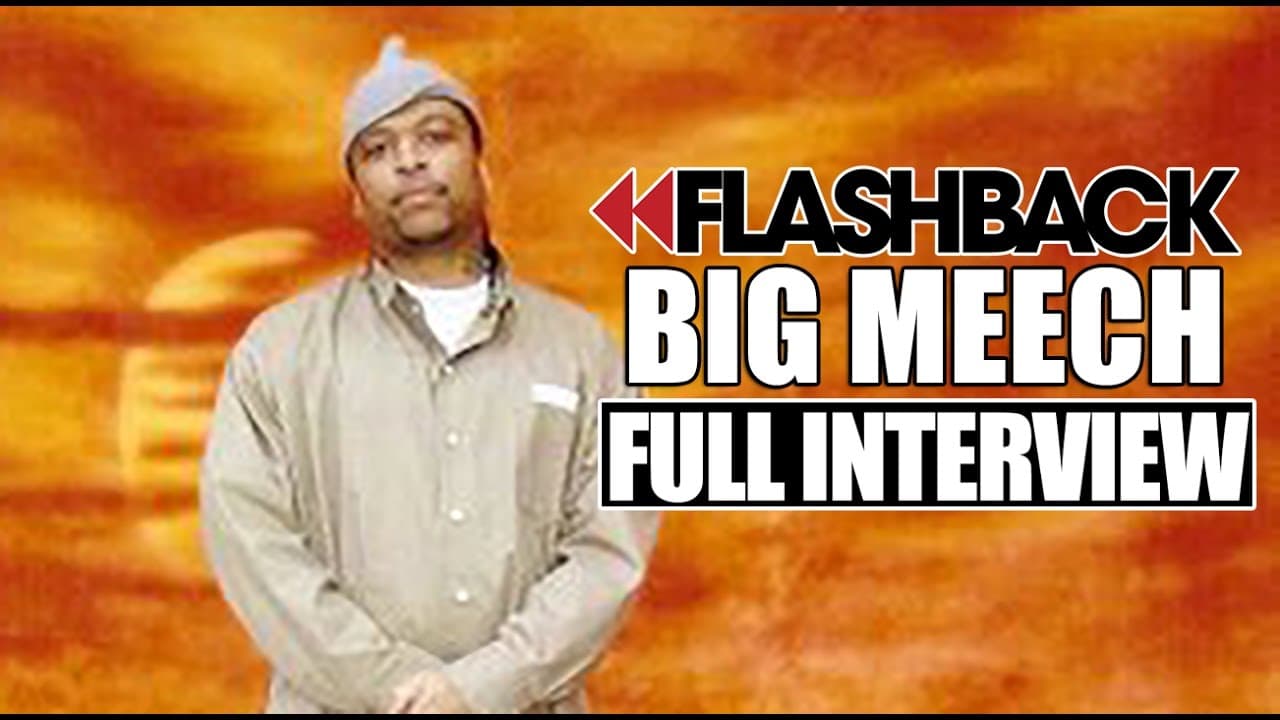
Big Meech argues that conspicuous spending was a calculated way to project success, attract business, and reinforce the larger-than-life image surrounding BMF. Speaking from behind bars in 2011, he contrasts that strategy with people who spend beyond their means, describes his wealth and nationwide lifestyle, and reflects on his continuing influence on music, fashion, luxury imagery, and popular culture.
Transcript
recorded they don't even right they don't even understand that you don't you you know the way we grew up you supposed to spend no more than 10 or 20% of what you make you know what I'm saying so you can have some and then if these dude n they ain't really making it they spending more than what they make you know what I'm saying how can you do that ... Read More
Key Insights
- Conspicuous spending is described as a marketing device rather than simple recreation. Meech says spending $500,000 on several consecutive nights could attract wealthy observers who watched from the sidelines and later decided to join him or conduct business with him.
- Financial discipline is presented as the foundation beneath visible luxury. Meech says people should spend no more than 10 or 20 percent of what they make, criticizing those who spend beyond their income while neglecting essential obligations such as rent.
- Public image is portrayed as intentionally selective. Meech says outsiders were allowed to see enjoyment, expensive possessions, and lavish homes, while the work and other activities supporting that lifestyle remained visible only to people directly involved.
- Meech's lifestyle is described as geographically expansive and highly liquid. He claims to have lived across seven states, maintained several homes or condominiums in some locations, owned properties valued from half a million dollars upward, and could access a million dollars in cash without difficulty.
- Modern displays of wealth are criticized as incomplete imitations. Meech and Cavario argue that jewelry, clothing, champagne, and club spending must align with genuine financial capacity, and that copying isolated luxury symbols does not reproduce the broader system that made the original image credible.
- BMF's cultural influence is said to persist through music and luxury imagery. Meech points to references involving BMF, black clothing, watches, Maybachs, Ferraris, Lamborghinis, and phrases associated with money, arguing that later entertainers used elements he had previously displayed.
- Cultural authority is linked to mobility across social boundaries. Meech says he and people from his organization could travel through suburbs, neighborhoods, and other places without the conflicts or restrictions that prevented some figures from moving freely.
- The Tony Montana comparison rests on the difference between fiction and lived persona. Cavario says Meech influenced younger audiences like the film character did, but more powerfully because Meech publicly realized that larger-than-life image rather than acting a scripted role.
Install to Summarize YouTube Videos and Get Transcripts
Explore YouTube Video Summarizer or Get YouTube Transcript Extractor
Questions & Answers
Q: Why did Big Meech spend heavily in clubs?
Big Meech says his club spending was both recreation and a calculated way to attract business. He describes spending $500,000 a night for several nights so wealthy people watching from the sidelines would notice his sustained success. According to him, repeated displays of money reduced their hesitation and encouraged them to approach him, join his circle, or participate in whatever he was doing.
Q: What financial rule does Big Meech recommend?
Big Meech says a person should spend no more than 10 or 20 percent of what they make so money remains available afterward. He criticizes people who spend more than they earn, then complain about struggling or a recession. His examples include giving money to a woman while being unable to pay rent, which he presents as reckless imitation rather than genuine wealth.
Q: How did Big Meech use luxury to build an image?
Big Meech says expensive homes, jewelry, cars, watches, travel, and club spending created a view of success from the outside looking in. He presented that appearance consistently across multiple cities and states. He also says the public saw him enjoying himself but did not see how he worked or operated, because those details were reserved for people directly involved with him.
Q: What does Big Meech say imitators misunderstood?
Big Meech says imitators copied visible features without understanding the financial blueprint supporting them. They saw jewelry, champagne, designer items, cars, and crowded nightlife, but did not grasp that he claimed to be earning millions and nearly billions underground. Cavario adds that mismatched jewelry, clothing, and spending reveal when the pieces do not reflect genuine financial capacity.
Q: How does Big Meech describe his wealth and homes?
Big Meech says he lived in seven states and maintained lavish homes or smaller properties across the United States. He describes primary houses valued at $2 million or more and smaller places valued at half a million or a million dollars. He also claims to have owned expensive watches and to have been liquid enough to obtain a million dollars in cash and then obtain more.
Q: How did Big Meech influence music and luxury culture?
Big Meech argues that entertainers adopted imagery and language he had already made visible. He mentions BMF references, all-black clothing, expensive Audemars watches, Maybach branding, Ferraris, Lamborghinis, and phrases about money and time. He presents these similarities as evidence that his lifestyle became a model for artists and others trying to establish status in popular culture.
Q: Why is Big Meech compared with Tony Montana?
Cavario compares Big Meech's influence with the impact of Tony Montana on younger audiences and on himself. The distinction, he says, is that Tony Montana is a character played by an actor, while Meech made a similarly extravagant image appear real through his own life. The comparison concerns cultural myth, aspiration, and the difficulty audiences had processing such visible wealth as reality.
Q: What does Big Meech say made him a cultural icon?
Big Meech connects cultural influence with hard work, visible wealth, broad mobility, and the ability to move through different environments. He says he could travel to suburbs or neighborhoods without worrying about accusations that he had robbed or harmed particular groups. Cavario argues that this accessibility, combined with Meech's real-life luxury persona, explains why people continued trying to associate themselves with him.
Summary & Key Takeaways
-
Big Meech distinguishes strategic displays of wealth from financially reckless imitation. He says people should spend only 10 or 20 percent of what they make, while his expensive nights out functioned as marketing. By displaying success consistently, he believed he could attract wealthy observers who eventually wanted to conduct business with him.
-
Meech describes an exceptionally mobile and affluent lifestyle involving homes or condominiums in seven states, expensive watches, private transportation, and substantial cash liquidity. He says outsiders saw the celebrations and luxury but not the underlying work or business, which led imitators to copy visible symbols without understanding the financial foundation behind them.
-
The interview connects Meech's public persona to a continuing influence on popular culture. He discusses artists adopting BMF-associated imagery, language, black clothing, luxury watches, Maybachs, Ferraris, and Lamborghinis. Cavario compares that influence to Tony Montana, while emphasizing that Meech presented himself as a real person rather than an actor portraying a character.
Read in Other Languages (beta)
Share This Summary 📚
Summarize YouTube Videos and Get Video Transcripts with 1-Click
Try YouTube Summary with ChatGPT & Claude or YouTube Transcript Generator
Explore More Summaries from djvlad 📚



Summarize YouTube Videos and Get Video Transcripts with 1-Click
Try YouTube Summary with ChatGPT & Claude or YouTube Transcript Generator