Why Contracts Matter in Entertainment Business
TL;DR
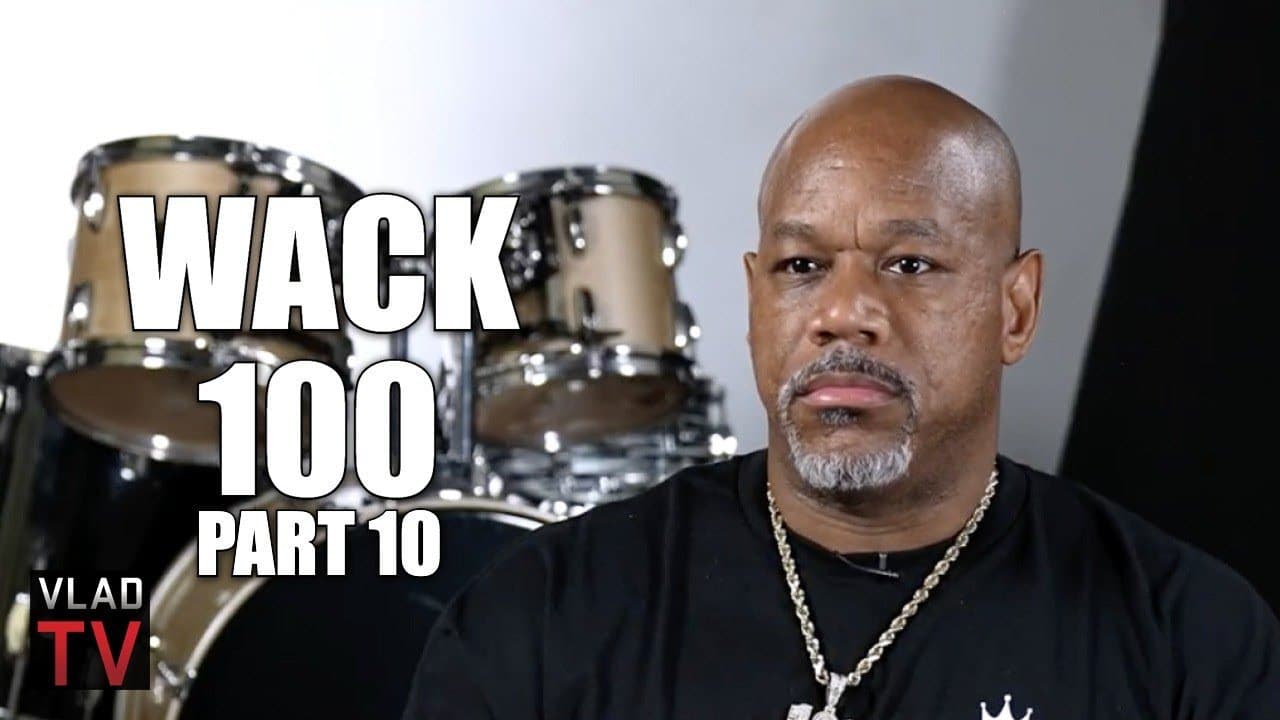
Contracts protect collaborators by defining compensation, responsibilities, and participation before anyone invests time or makes introductions. Wack100 says Alpo Martinez wanted help developing a project but would not sign an agreement securing Wack100’s place in any resulting deal, which Wack100 interpreted as a warning that he could be bypassed or have his time wasted.
Transcript
yeah man look when I was speaking to one of my people about doing the interview with Ali the original number was too high and I said I can't do it they're like what are you going to counter with because I'm not going to counter because what he's asking for is too far from reality yeah but then they came back said okay he'll do it for this much I'm ... Read More
Key Insights
- A contract is a practical safeguard when one person is expected to develop opportunities for another. Wack100 required written assurance that he would participate in any deal he brought to Alpo, and he refused to begin working when Alpo would not provide it.
- Alpo Martinez approached Wack100 through K Slay about developing something for television. According to Wack100, Alpo wanted him to explore the opportunity first, while Wack100 insisted that their business relationship had to be documented before any outreach or dealmaking began.
- Refusing documentation can reveal whether a proposed collaborator is prepared to protect another person’s interests. Wack100 interpreted Alpo’s unwillingness to sign as evidence that Alpo might bypass him, deceive him, or simply waste the time required to pursue a potential project.
- Media exposure can create opportunities that extend beyond a single interview. The conversation identifies possible outcomes including millions of views, additional paid interviews, business opportunities, movies, and documentaries, while emphasizing that those later benefits belong to the guest rather than the original interviewer.
- Interview platforms can introduce historical figures to audiences who were too young, or not yet born, when those figures became known. Wack100 argues that subscribers may discover unfamiliar stories simply because an interview appears through a channel they already watch and follow.
- Alpo’s death illustrates the risk of waiting indefinitely for a larger payday. The discussion says he died without leaving substantial content in which he told his own story, forcing audiences to piece together accounts rather than hearing a developed firsthand version from him.
- Shorter interviews can provide an entry point for emerging guests whose current stories do not justify 90-minute or 120-minute features. Wack100 proposes 30-minute to 45-minute conversations that introduce new people, serve subscribers, and may become more valuable if those guests later gain attention.
- A media operation must balance experimentation with financial sustainability. Vlad says he has a staff of 12 people, recurring payroll, and overhead, so interviews need to be profitable or at least break even initially, even when their long-term value may grow over time.
Install to Summarize YouTube Videos and Get Transcripts
Explore YouTube Video Summarizer or Get YouTube Transcript Extractor
Questions & Answers
Q: Why did Wack100 refuse to pursue Alpo’s television project?
Wack100 refused because Alpo Martinez would not sign documentation protecting Wack100’s role in any opportunity he developed. Wack100 was prepared to search for a television deal only if an agreement established that he would remain part of the deal when he returned with something Alpo liked. Without that commitment, he believed he could be bypassed, deceived, or have his time wasted.
Q: Why are contracts important in entertainment collaborations?
Contracts are important because they document what each participant is entitled to before work begins. Wack100 describes written agreements as a way to keep everyone fair and to prevent a person from being removed after creating an opportunity. In his view, refusing to provide contractual protection signals that a collaborator may backdoor a partner, break an understanding, or waste the partner’s effort.
Q: How did Alpo Martinez approach Wack100 about working together?
Alpo Martinez contacted Wack100 through K Slay and proposed putting something together for television. Wack100 responded that he would move forward when Alpo was ready to sign an agreement. Alpo wanted him to begin searching for an opportunity without first formalizing Wack100’s participation, but Wack100 would not invest effort under those conditions because he considered the arrangement too vulnerable to street hustling tactics.
Q: How can a major interview create additional business opportunities?
A major interview can introduce a guest’s story to a large subscriber audience and potentially receive millions of views. The discussion says that visibility may lead to more paid interviews, other business opportunities, movies, or documentaries. Vlad emphasizes that he does not claim ownership of those later opportunities, and any separate business generated after the interview belongs to the guest.
Q: How can interviews introduce older figures to younger audiences?
Interviews can place unfamiliar historical stories in front of younger viewers who already subscribe to a platform. Wack100 notes that someone who spent 30 years incarcerated may be remembered mainly by people aged 45 or older from the person’s region. Viewers from their teens through their mid-30s may not know that person, but channel distribution can help them discover the story.
Q: What happened because Alpo waited for a bigger payday?
The discussion presents Alpo Martinez as someone who waited for a major payday but died before producing substantial content that told his story. As a result, audiences are left piecing together available information rather than hearing a complete account directly from him. His case is used to show how delaying a documented media opportunity can mean losing the chance to preserve a firsthand narrative.
Q: Why does Wack100 recommend shorter interviews for emerging guests?
Wack100 recommends shorter interviews because some emerging personalities may have enough material for a 30-minute to 45-minute conversation but not a 90-minute or 120-minute feature. Such interviews could provide subscribers with fresh content, create early awareness, and build goodwill. If a guest becomes more prominent two or three years later, the platform can invite that person back for a longer conversation.
Q: What financial limits affect decisions about interview guests?
Vlad says his operation has a staff of 12 people who must be paid every two weeks, along with continuing overhead. Because producing and editing interviews costs money, the work must be profitable or at least break even initially. That financial requirement limits how freely the platform can experiment, even when shorter interviews might serve subscribers and gain additional value over time.
Summary & Key Takeaways
-
Wack100 says Alpo Martinez contacted him through K Slay about putting together a television project. Wack100 was willing to pursue opportunities only after Alpo signed documentation guaranteeing Wack100 participation in any deal he brought back. Alpo instead wanted him to begin exploring possibilities without that protection, so Wack100 declined to proceed.
-
The discussion presents interviews as opportunities that can produce benefits beyond the initial payment. A widely viewed appearance may introduce an older or regionally known figure to younger subscribers, attract other paid interviews, and create possibilities involving movies or documentaries. However, the interview platform does not automatically claim a share of those later opportunities.
-
Wack100 suggests shorter interviews for emerging personalities whose stories may not yet support lengthy features. Early coverage could feed subscribers fresh material, establish relationships, and gain value if a guest becomes more prominent later. Vlad responds that the operation employs 12 people, carries overhead, and must initially be profitable or at least break even.
Read in Other Languages (beta)
Share This Summary 📚
Summarize YouTube Videos and Get Video Transcripts with 1-Click
Try YouTube Summary with ChatGPT & Claude or YouTube Transcript Generator
Explore More Summaries from djvlad 📚




Summarize YouTube Videos and Get Video Transcripts with 1-Click
Try YouTube Summary with ChatGPT & Claude or YouTube Transcript Generator