How Does Childhood Emotional Neglect Shape Adults?
TL;DR
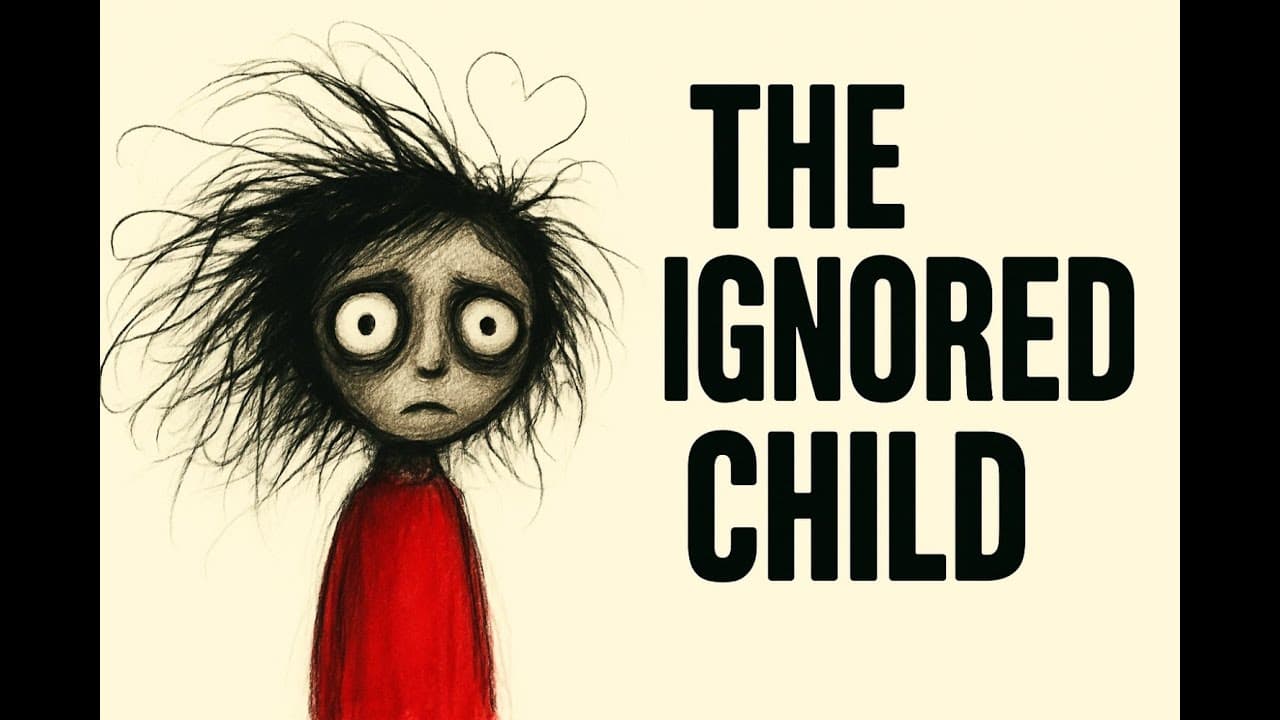
Repeated emotional neglect can teach a child to expect dismissal, hide their needs, and believe they do not deserve attention or love. In adulthood, these adaptations may appear as low self-esteem, perfectionism, people-pleasing, distrust, emotional distance, approval-seeking, or chronic loneliness. Healing begins by recognizing that the neglect mattered and deliberately acknowledging personal feelings, needs, and achievements.
Transcript
There's a quiet truth about children who grow up ignored. They often become adults who struggle to believe they deserve attention at all. They walk into a room and feel like they must shrink. They enter relationships and wonder if they're too much. They succeed in something, but instead of celebrating, they wait for it to be overlooked, as if invis... Read More
Key Insights
- Emotional neglect is the repeated absence of acknowledgement, responsiveness, or connection rather than necessarily an act of visible cruelty. Unanswered questions, missing eye contact, forgotten meaningful moments, and distracted caregiving can gradually teach a child that their inner life does not matter.
- An internalized neglect schema is an expectation that attention will be withheld and personal needs will burden other people. After repeated dismissal, a child may stop asking for affection, understanding, or help, then carry that learned invisibility into adult relationships and achievements.
- Acknowledgement is a developmental necessity because children need safety, stimulation, and connection to thrive. Consistent caregiver responses create trust and a blueprint for later relationships, while silence or inconsistency can lead children to question whether they are important or deserving of love.
- Repeatedly ignored attempts at connection can activate a child's stress response and establish an expectation of rejection. The transcript describes cortisol flooding the body, anxiety becoming a baseline, and emotional regulation becoming fragile, even when the child outwardly appears merely quiet.
- Childhood adaptation is not the same as healing because survival strategies may preserve connection while suppressing the self. Children may hide needs, silence excitement, shrink their presence, or stop trying, then reproduce those patterns when pursuing intimacy, achievement, meaning, or support as adults.
- Apparently positive traits can conceal neglect-based coping mechanisms. Fierce independence may mask difficulty trusting others, high achievement may develop into perfectionism, and peacekeeping may become people-pleasing. These strategies can look capable or selfless while leaving the person exhausted and unable to seek balanced support.
- Adult relationship patterns can move in opposite directions while sharing the same origin. Some neglected children later cling to affection and chase approval, while others avoid relationships or maintain emotional distance. Both patterns reflect fear that love will disappear and needs will remain unmet.
- Healing begins with recognition rather than instant confidence or perfection. An adult can acknowledge that the neglect mattered, affirm that their needs were real, say feelings aloud, celebrate personal wins, share struggles, and practice believing that their thoughts and emotions deserve attention.
Install to Summarize YouTube Videos and Get Transcripts
Explore YouTube Video Summarizer or Get YouTube Transcript Extractor
Questions & Answers
Q: What is emotional neglect in childhood?
Emotional neglect is the absence of consistent acknowledgement, attention, and responsiveness to a child's emotional needs. It may involve unanswered questions, little eye contact, forgotten meaningful moments, or a caregiver who is too stressed, tired, distracted, or depressed to notice bids for connection. Unlike visible mistreatment, it leaves hidden wounds by teaching the child that their feelings and needs are unimportant.
Q: How does being ignored affect a child's sense of self?
Repeatedly being ignored can lead a child to interpret a caregiver's silence as evidence that they are unimportant or undeserving of love. The child may stop asking questions, sharing excitement, or requesting affection because expecting nothing feels safer than repeated disappointment. Over time, hiding needs and shrinking their presence can become part of their identity rather than a temporary response.
Q: What is an internalized neglect schema?
An internalized neglect schema is a learned expectation that other people will dismiss, overlook, or fail to meet one's needs. It develops when a child's repeated attempts to receive attention or connection go unanswered. The child may conclude that wanting affection or understanding is wrong, then enter adulthood anticipating rejection, minimizing achievements, doubting their worth, and feeling uncomfortable taking up emotional space.
Q: How can childhood emotional neglect appear in adulthood?
Childhood emotional neglect may appear in adulthood as low self-esteem, chronic loneliness, fragile emotional regulation, fear of rejection, difficulty trusting others, or trouble forming close relationships. Some adults avoid sharing thoughts because they assume nobody cares. Others chase approval, become perfectionists, please everyone around them, dismiss their successes, or struggle with motivation because they learned that their efforts would go unnoticed.
Q: Why can independence and high achievement be neglect responses?
Independence and high achievement can begin as attempts to survive without reliable acknowledgement. A neglected child may learn to handle everything alone or work relentlessly to earn the attention they lack. In adulthood, independence can make trust and support difficult, while achievement can become perfectionism that never feels satisfying. What appears to be strength may therefore conceal exhaustion, insecurity, and an unmet longing to be recognized.
Q: How does childhood neglect affect adult relationships?
Childhood neglect can create an expectation that affection will disappear and personal needs will not be met. In friendships, an adult may listen deeply and support everyone else while rarely sharing personal struggles or requesting help. In romantic relationships, the person may cling to anyone offering attention or keep emotional distance because closeness feels dangerous. These opposite reactions can arise from the same fear of abandonment and dismissal.
Q: Why is unintentional neglect still harmful?
Unintentional neglect remains harmful because a child experiences the absence of connection regardless of the caregiver's reasons. Parents may be overwhelmed by work, economic hardship, depression, exhaustion, or digital distractions rather than cruelty. Those explanations provide context, but they do not remove the child's repeated experience of being unseen. The transcript summarizes this distinction by emphasizing that intention does not erase impact.
Q: How can an adult begin healing from childhood neglect?
Healing can begin by recognizing that the childhood experience mattered and that emotional needs were real, even if nothing visibly dramatic happened. Practical steps described in the transcript include naming feelings aloud, celebrating personal achievements, acknowledging pain, sharing struggles, and accepting that one's thoughts deserve attention. The goal is not immediate confidence or perfection, but gradually replacing self-dismissal with consistent self-acknowledgement.
Summary & Key Takeaways
-
Children need safety, stimulation, and connection to thrive, with connection directly shaping their sense of identity. When caregivers repeatedly fail to acknowledge bids for attention, children may interpret the silence as evidence that their needs are burdensome or unimportant. They adapt by becoming quiet, hiding emotions, and expecting future dismissal.
-
Childhood coping strategies can persist as difficult adult patterns. Fierce independence may become distrust, achievement may become perfectionism, and conflict avoidance may become people-pleasing. Other adults chase affection or keep emotional distance because they expect love to disappear. Even apparently useful adaptations can conceal exhaustion, anxiety, loneliness, and unmet needs.
-
Healing starts with recognizing that emotional absence caused real harm, even when no dramatic event occurred and the caregivers lacked cruel intentions. Adults can begin providing the acknowledgement they missed by naming their feelings, validating their needs, celebrating successes, requesting support, and accepting that their thoughts and experiences deserve attention and care.
Read in Other Languages (beta)
Share This Summary 📚
Summarize YouTube Videos and Get Video Transcripts with 1-Click
Try YouTube Summary with ChatGPT & Claude or YouTube Transcript Generator
Explore More Summaries from Kee 📚






Summarize YouTube Videos and Get Video Transcripts with 1-Click
Try YouTube Summary with ChatGPT & Claude or YouTube Transcript Generator