Can You Really Learn a Language in Six Months?
TL;DR
Anyone can achieve fluency in a second language within six months by implementing five key principles and seven actionable steps. These focus on relevant content, using language as a communication tool, and fostering a positive learning state, showcasing that talent is not essential for success.
Transcript
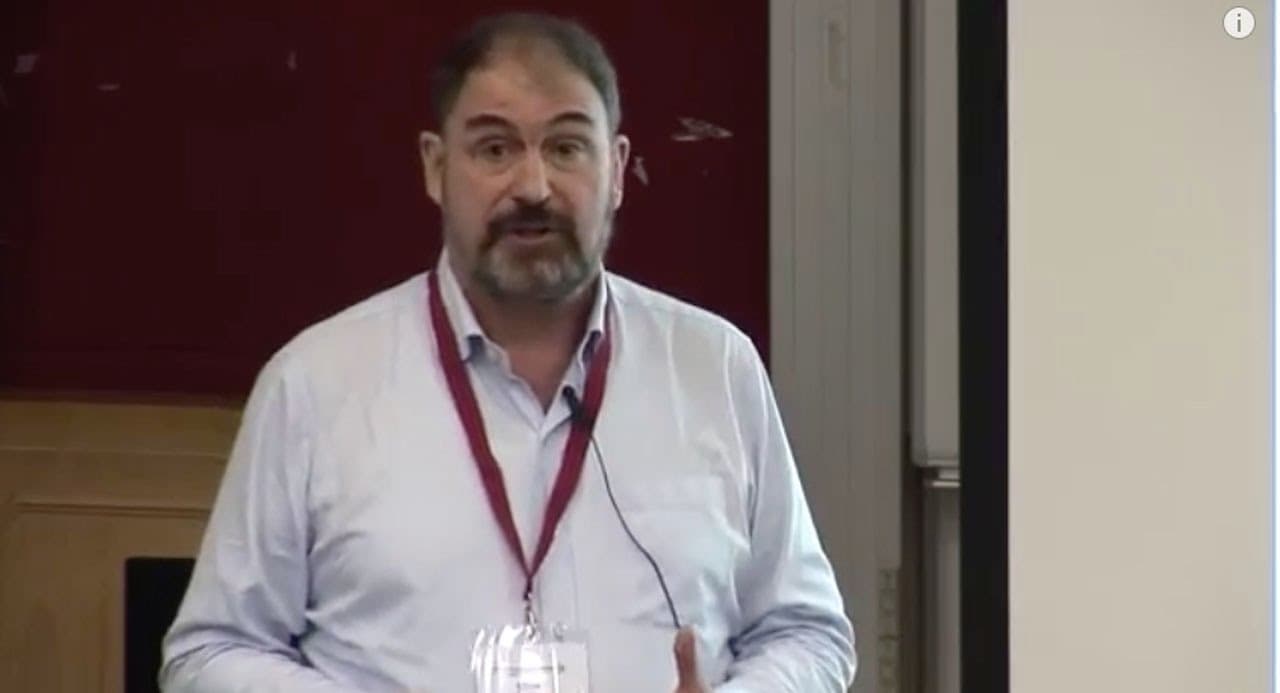
Transcriber: TED Translators admin Reviewer: Allam Zedan The people in the back, can you hear me clearly? OK, good. Have you ever held a question in mind for so long that it becomes part of how you think? Maybe even part of who you are as a person? Well I've had a question in my mind for many, many years and that is: How can you speed up learning... Read More
Key Insights
- 🥡 Learning a second language quickly is possible by following five principles and taking seven specific actions.
- 🧑🏭 Talent is not a determining factor in language learning success.
- 🔠 Immersion alone is not enough for language acquisition; comprehensible input is crucial.
- ❓ Language learning is a physiological process that requires training and practice.
- ☺️ A positive and relaxed state is essential for effective language learning.
- 🎮 The principles and actions for language learning are under the learner's control.
Install to Summarize YouTube Videos and Get Transcripts
Explore YouTube Video Summarizer or Get YouTube Transcript Extractor
Questions & Answers
Q: Why is the speaker interested in learning how to speed up learning?
The speaker has been interested in this question since he was young because he found that school often got in the way of learning, and he wanted to find a more efficient way to learn.
Q: What is the speaker's background in language learning?
The speaker became passionate about psychology and has been involved in psychology in various ways. He also learned Mandarin Chinese fluently in just six months using principles from psychological research.
Q: Why does the speaker believe that talent does not matter in language learning?
The speaker provides an example of a woman who was told she was talentless and would never learn a language, but she became fluent in Portuguese in six months by applying the five principles.
Q: Does immersion in a new country help with language learning?
The speaker argues that immersion per se does not work because a drowning man cannot learn to swim. Simply being surrounded by a language does not guarantee learning if it is not comprehensible and relevant.
Q: What are the five principles and seven actions for learning a second language quickly?
The five principles are focusing on relevant language content, using the language as a tool for communication, acquiring the language through comprehensible input, training the physiological aspects of language learning, and being in a positive and relaxed state. The seven actions include listening a lot, getting the meaning first, starting to mix and create sentences, focusing on high-frequency words and patterns, finding a language parent for support, copying native speakers' facial movements, and connecting new sounds to existing mental images.
Key Insights:
- Learning a second language quickly is possible by following five principles and taking seven specific actions.
- Talent is not a determining factor in language learning success.
- Immersion alone is not enough for language acquisition; comprehensible input is crucial.
- Language learning is a physiological process that requires training and practice.
- A positive and relaxed state is essential for effective language learning.
- The principles and actions for language learning are under the learner's control.
- Fluency in a second language can be achieved in six months if all five principles and seven actions are followed consistently.
Summary & Key Takeaways
-
The speaker has been interested in the question of how to speed up learning since he was young and has pursued this question throughout his life.
-
He believes that any adult can learn a second language to fluency in six months by following five principles and taking seven actions.
-
The five principles include focusing on relevant language content, using the language as a tool for communication, acquiring the language unconsciously through comprehensible input, training the physiological aspects of language learning, and ensuring a positive and relaxed state.
Read in Other Languages (beta)
Share This Summary 📚
Summarize YouTube Videos and Get Video Transcripts with 1-Click
Try YouTube Summary with ChatGPT & Claude or YouTube Transcript Generator
Explore More Summaries from TEDx Talks 📚




Summarize YouTube Videos and Get Video Transcripts with 1-Click
Try YouTube Summary with ChatGPT & Claude or YouTube Transcript Generator