How did Aristotle define virtue and friendship?
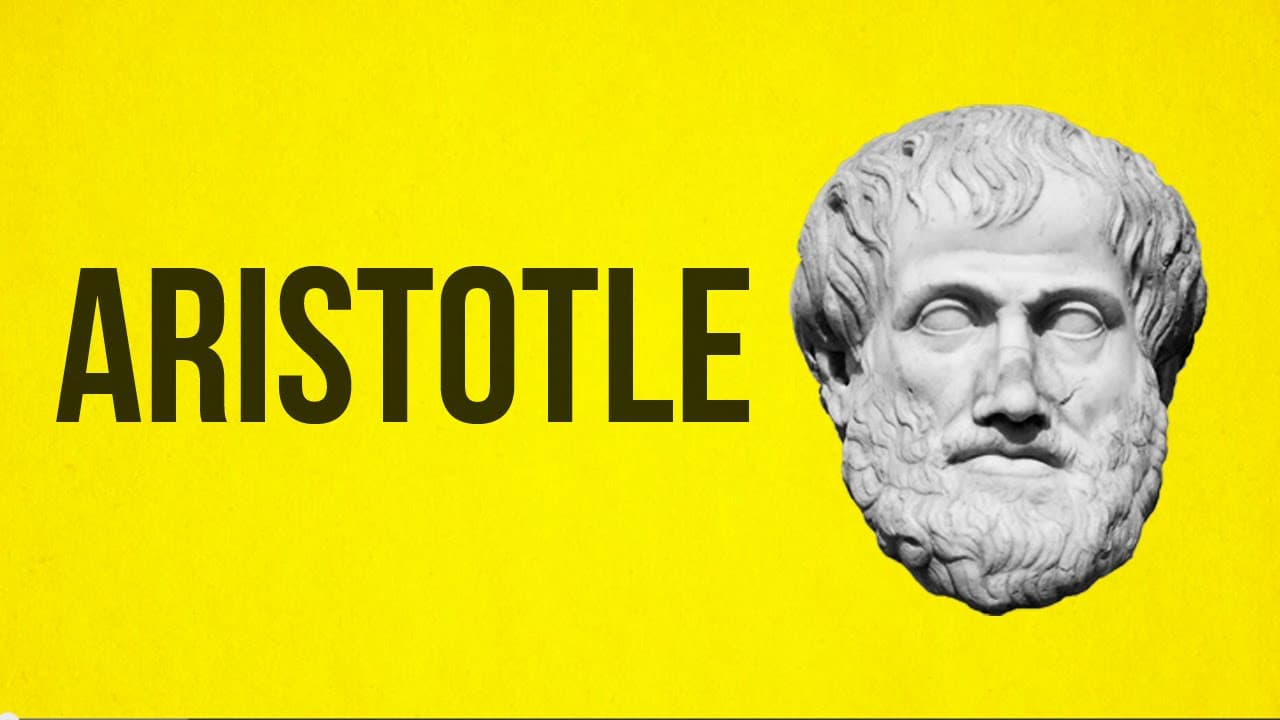
TL;DR
Aristotle argued that virtue is formed through habit and balanced between extremes, shaping a good life. He also described three kinds of friendship, with true friends sharing virtue and mutual care, and explained how tragedy provides catharsis, while rhetoric helps persuade thoughtfully in public life.
Transcript
Aristotle was born around 384 BC in the ancient Greek kingdom of Macedonia where his father was the royal doctor. He grew up to be arguably the most influential philosopher ever, with modest nicknames like ‘the master’ and simply ‘the philosopher’. His first big job was tutoring Alexander the Great who, soon after, went out and conquered the known ... Read More
Key Insights
- Virtue is a result of habit and practice.
- The golden mean places virtues between two extremes.
- There are eleven identified virtues in Aristotelian ethics.
- True friendship requires mutual care and expands personal life.
- Friendships can be pleasant or strategic, but true friendship is rare and valuable.
- Tragedy serves a cathartic function to cleanse emotions.
- Poetics analyzes peripeteia and anagnoresis to structure drama.
- Rhetoric aims to persuade by acknowledging emotions and using examples.
- More videos from this channel:
- More from this channel: The School of Life
Install to Summarize YouTube Videos and Get Transcripts
Explore YouTube Video Summarizer or Get YouTube Transcript Extractor
Questions & Answers
Q: A real search query question about the video (e.g. 'How to...', 'What is...', 'Why does...', 'When should...'). Question 1
Aristotle argues that virtue is not innate but developed through habit and deliberate practice over time. He identifies a range of virtues and posits that each virtue sits at the midpoint between two vices, forming what he calls the golden mean. This framework guides how people shape character and behavior in everyday life.
Q: Question 2
True friendship, according to Aristotle, arises when two people care for each other as much as for themselves. Such friendship involves shared virtue, mutual concern, and a willingness to bear each other’s burdens. It expands one’s perspective beyond self, making individuals more resilient and morally aligned.
Q: Question 3
Aristotle describes three kinds of friendship: those based on pleasure, those based on utility, and true friendship based on virtue. Pleasurable friendships arise from shared fun, utility-based connections from practical benefits, and true friendships from a deeper moral bond where both parties wish good for the other.
Q: Question 4
In the Poetics, Aristotle introduces concepts like peripeteia and anagnoresis to explain how tragedy creates meaningful emotional turning points. These devices help the audience experience a shift in fortune and a moment of recognition, which contribute to the overall cathartic effect that purges fear and pity.
Q: Question 5
Catharsis, for Aristotle, is the cleansing of powerful emotions through art. Tragedy presents terrible events affecting decent people, prompting pity and fear in the audience. The purpose is to purge these emotions, enabling viewers to emerge with a clearer emotional understanding and a wiser stance toward life’s vulnerabilities.
Q: Question 6
Aristotle believes that art should make profound truths about life stick in our minds. The role of the artist and the dramatist is to illuminate how people ought to live and to demonstrate moral lessons through compelling stories, memorable characters, and emotionally resonant scenes.
Q: Question 7
Rhetoric, for Aristotle, is the art of persuading thoughtfully. It requires acknowledging listeners’ fears and pride, appealing to emotion where appropriate, and using humor and vivid illustrations to reinforce arguments. The goal is to persuade while respecting the audience and fostering reasoned discussion.
Q: Question 8
Aristotle’s ethics emphasize that moral goodness is attainable through habit and education rather than punishment. Those lacking virtue should receive guidance and better teaching, not scorn, enabling them to cultivate virtues over time and contribute to a well-ordered life and society.
Summary & Key Takeaways
-
Aristotle believed virtue results from habit and the steady pursuit of the golden mean between two extremes, enabling a good life. He emphasized identifying and cultivating multiple virtues to honor ourselves and others. The idea is that moral character develops through practice, teaching, and consistent effort.
-
Friendships come in three kinds: pleasant, advantageous, and true friendship. True friendship involves mutual care beyond self interest, expanding one’s life and improving judgment. This concept highlights how our connections shape character and moral growth.
-
The role of art and rhetoric for Aristotle is to reveal deep truths about life and influence public discourse. He argued tragedy serves catharsis to cleanse emotions like fear and pity, while rhetoric helps persuade by acknowledging emotions and using relatable examples.
Read in Other Languages (beta)
Share This Summary 📚
Summarize YouTube Videos and Get Video Transcripts with 1-Click
Try YouTube Summary with ChatGPT & Claude or YouTube Transcript Generator