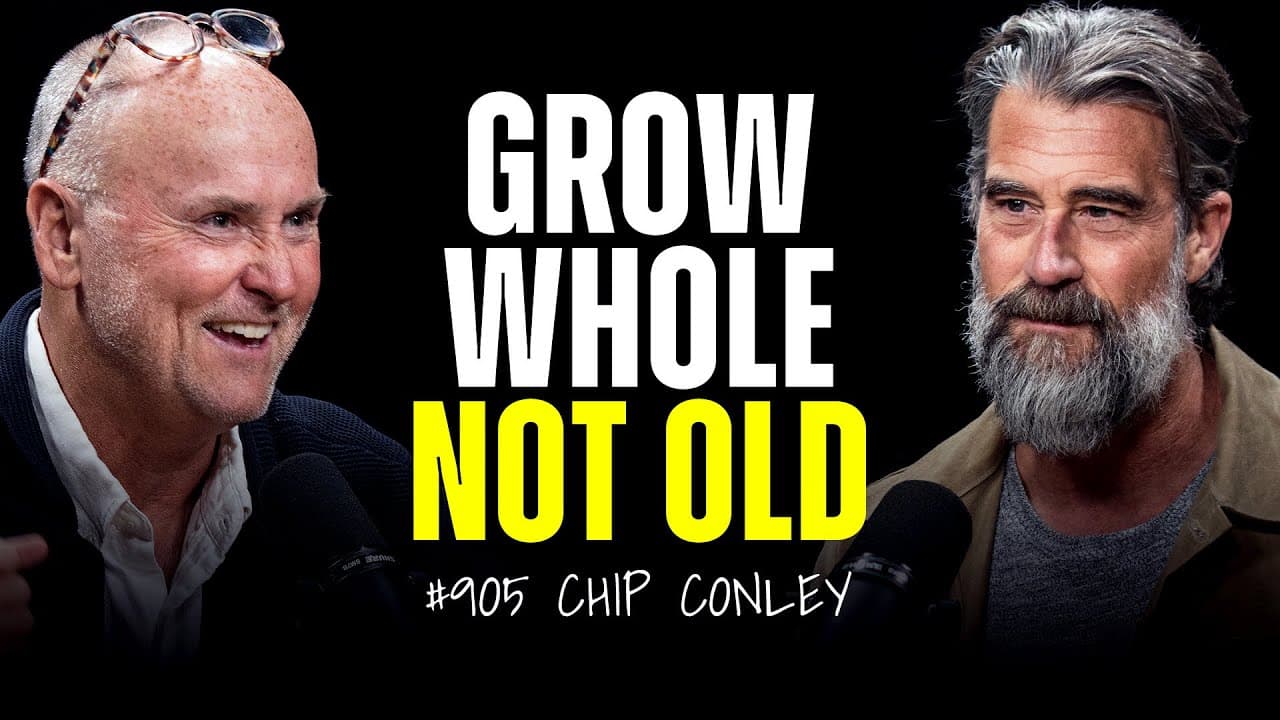
How to view midlife as chrysalis, not crisis?
TL;DR
Midlife is a chrysalis, not a crisis, a transformative period where expectations unravel and new meanings emerge. Embrace age fluidity, confront mortality openly, and use curiosity to guide lasting growth. This mindset shifts lead to greater happiness and clearer priorities as you move through the middle years.
Transcript
We're living longer. How do I get older in a way that makes me feel good about myself? What if my best years are ahead of me? There's a stage of life that is not well enough understood. That stage is midlife when we tend to only consider for the kinds of crises it tends to provoke instead of seeing it for the opportunities it presents. Chip Connley... Read More
Key Insights
- Midlife is a chrysalis rather than a crisis and represents a time of transformation rather than abrupt distress.
- The key to navigating midlife is to demystify it and operationalize the shifts in relevance and purpose that occur.
- Gender plays a significant role in how midlife challenges appear, with distinct issues for men and women in areas like aging, sexuality, and caregiving.
- Cultural context matters; different societies handle mortality and aging in ways that influence midlife experiences and happiness levels.
- A pro-aging perspective can add years of life by reframing attitudes toward aging and death as natural transitions.
- Men often confront agism and changes in vitality while women face menopause and visibility challenges in romance and career.
- Death and mortality are central to shaping midlife attitudes, and spiritual or religious beliefs heavily influence how people frame this phase.
- Near death experiences and other profound events can deepen meaning and alter life choices during midlife transitions.
- More videos from this channel:
- More from this channel: Rich Roll
Install to Summarize YouTube Videos and Get Transcripts
Explore YouTube Video Summarizer or Get YouTube Transcript Extractor
Questions & Answers
Q: A real search query question about the video (e.g. 'How to...', 'What is...', 'Why does...', 'When should...'). Question 1
Midlife is described as a chrysalis a long transition rather than a sudden crisis. This period involves unraveling expectations and reassessing what matters, often leading to greater happiness in later decades as people align actions with new priorities. The discussion emphasizes reframing aging from threat to opportunity and focusing on meaningful choices.
Q: Question 2
The conversation highlights that gender influences midlife experience. Men may face concerns about vitality and social relevance while women contend with menopause and invisibility in relationships. Recognizing these differences can help tailor strategies that address specific pressures and opportunities in midlife.
Q: Question 3
Cultural views on aging and mortality shape midlife reactions. Some cultures honor elders and integrate them into daily life, while others rely on modern institutions. This contrast affects how people perceive aging, respond to mortality, and pursue purpose, ultimately impacting well being during midlife.
Q: Question 4
Becoming more comfortable with death as a natural transition is framed as essential for healthier midlife. Attitudes toward death influence how people set goals and face limits, guiding choices that increase life satisfaction and reduce fear during the middle years.
Q: Question 5
Near death experiences are mentioned as powerful moments that alter meaning and life direction. Such events prompt reflection on values, spur gratitude, and can precipitate lasting changes in priorities and relationships as people move through midlife.
Q: Question 6
The idea of a life transition anatomy emphasizes that midlife involves multiple shifts—in identity, purpose, relationships, and health. Understanding this anatomy helps people anticipate changes, build supportive networks, and design deliberate paths that align with evolving goals.
Q: Question 7
Spiritual perspectives on death and aging influence how midlife is experienced. Different beliefs offer frameworks that can reduce fear, provide comfort, and support integration of life experiences, helping individuals navigate uncertainty with a sense of meaning.
Q: Question 8
The discussion advocates curiosity, openness to new experiences, and a willingness to redefine what success looks like after 40. Embracing these attitudes can extend well being, encourage exploration, and create opportunities for growth and fulfillment during the middle years.
Summary & Key Takeaways
-
Midlife is framed as a chrysalis a transformative period rather than a crisis, with unraveling expectations and new possibilities guiding growth.
-
Gender and cultural perspectives shape how midlife is experienced including issues of relevance aging and romantic invisibility for different groups.
-
A mindful approach to mortality spirituality and near death experiences informs how people navigate transitions and create meaning in later life.
Read in Other Languages (beta)
Share This Summary 📚
Summarize YouTube Videos and Get Video Transcripts with 1-Click
Try YouTube Summary with ChatGPT & Claude or YouTube Transcript Generator
Explore More Summaries from Rich Roll 📚



Summarize YouTube Videos and Get Video Transcripts with 1-Click
Try YouTube Summary with ChatGPT & Claude or YouTube Transcript Generator