How to recover from burnout and restart creativity
TL;DR
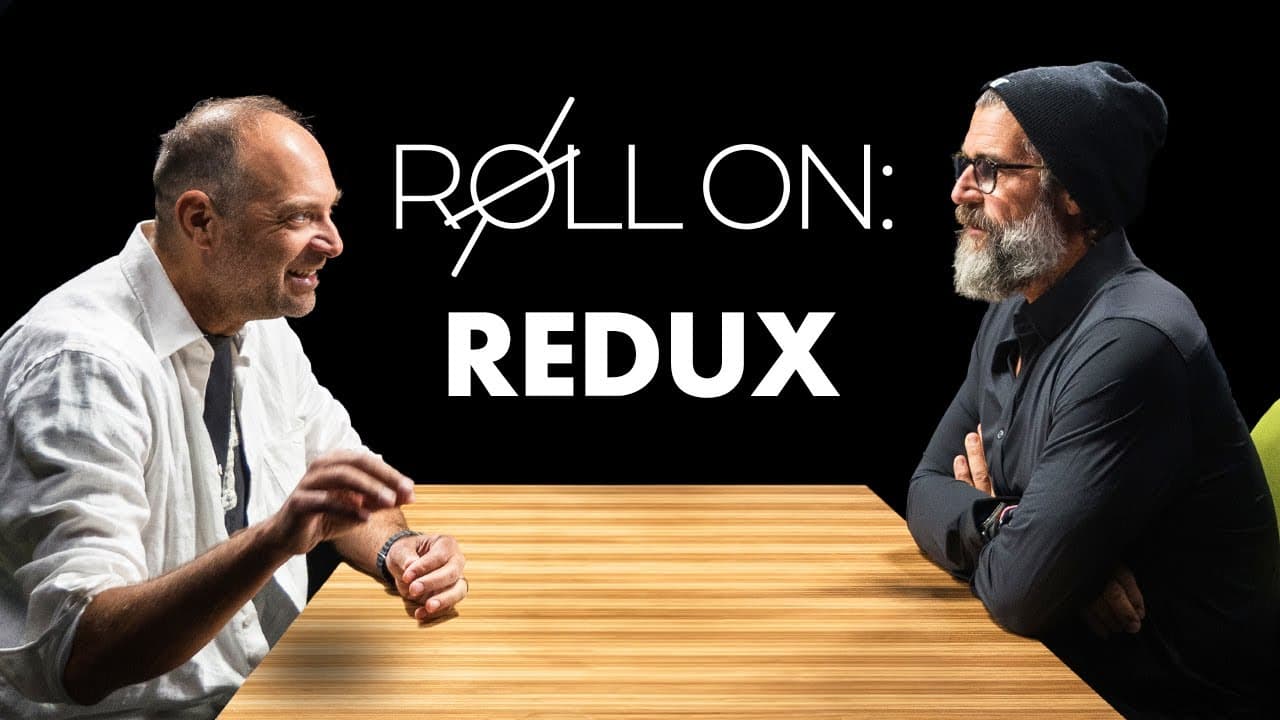
Burnout was tackled by stepping back and taking a sabbatical, then embracing pivoting and flow rather than forcing a return. The hosts describe a mindfulness stack including morning yoga, silent meditation, and readings from the Daoist classics, plus a shift to adapt plans when winds and life push changes. The conversation also previews AI’s role and listener questions ahead.
Transcript
hey everybody back to roll on I can't believe I'm here it's good to be here many tears out in the world from the passionate rooll honors out there yes they're checking on me they're like are you okay what's going on I know is there a rift you know I'm FR is like a Reddit Thread about like have Rich and Adam had a falling out well all of you people ... Read More
Key Insights
- Burnout can be alleviated by recognizing need for pause and choosing to pivot rather than push through relentlessly.
- The winds and travel delays became teaching moments that highlighted the value of flexibility in plans and expectations.
- A consistent mindfulness routine helps reduce mental load and lightens overall life energy.
- A lightweight, repeatable morning stack can support long-term wellbeing without overwhelming schedules.
- Reading Daoist texts like the Da Ching and Huo Ching can offer simple, accessible guidance for daily life.
- A diversified media diet (yoga, meditation, talks) can sustain focus and resilience.
- AJI tools and podcasts are used to keep personal growth practices engaging and sustainable.
- The show signals upcoming content and community engagement through listener questions and book releases.
- More videos from this channel:
- More from this channel: Rich Roll
Install to Summarize YouTube Videos and Get Transcripts
Explore YouTube Video Summarizer or Get YouTube Transcript Extractor
Questions & Answers
Q: How can burnout be addressed when life keeps demanding attention and travel schedules are uncertain
Burnout can be addressed by recognizing the need to pause, re evaluate priorities, and allow for renegotiated plans rather than forcing a perfect return. The hosts describe taking a sabbatical, adapting travel and work timelines, and using the disruption as a chance to reset routines. This approach reduces pressure, preserves energy, and creates space for healthier long term productivity.
Q: What daily practices support a sustainable mindset during recovery from burnout
A sustainable mindset can be supported with a simple, repeatable stack: regular yoga, a short silent meditation session each morning, and daily readings from philosophical texts. This combination helps center attention, reduce rumination, and provide practical guidance for handling stress. The routine remains lightweight to fit busy schedules.
Q: What role does mindfulness play in the hosts recovery process
Mindfulness functions as a core tool for lowering stress responses and increasing present moment awareness. By dedicating minutes each day to silent meditation and reflective reading, the hosts cultivate a calmer mental state, which helps them navigate unpredictable circumstances and maintain clarity when external pressures peak.
Q: How did travel disruptions influence the episode’s themes about pivoting and flow
Travel disruptions underscored the necessity of pivoting and flowing with circumstances. Delays and cancellations forced adjustments in plans, revealing that flexibility can lead to unexpected benefits and personal growth. The discussion frames these experiences as practical lessons for handling burnout and sustaining momentum.
Q: What kind of books and sources do the hosts rely on for guidance
The hosts lean on Daoist texts like the Da Ching and Huo Ching, presented in accessible translations, to frame daily life and resilience. They also incorporate Buddhist talks and podcasts, which provide calm, structured guidance. This mix offers philosophical anchors and practical insights to support well being.
Q: How does the podcast integrate listener engagement into recovery and topics
Listener engagement is integrated through a voicemail line and questions that drive the discussion, enabling a Q and A format that extends beyond the hosts’ personal experiences. This approach builds community, provides diverse perspectives, and helps address common concerns about burnout, wellbeing, and productivity.
Q: What future topics does the episode hint at regarding AI and creativity
The episode hints at AI insights and their impact on creativity, suggesting that AI can be a tool to augment human work rather than replace it. The hosts plan to explore how AI may intersect with storytelling, productivity, and wellness, while maintaining a focus on mindful practice and sustainable routines.
Q: What is the release context around Voicing Change III and related work
The discussion mentions Voicing Change III as a forthcoming release, signaling ongoing creative projects and community engagement. This indicates the hosts are continuing to expand their work, share new perspectives, and offer additional content that aligns with their wellness and creative growth themes.
Summary & Key Takeaways
-
The hosts describe a recent sabbatical and burnout experience, highlighting the need to slow down and pivot when life demands change and to prioritize mental restoration.
-
A practical mindfulness routine is shared, including yoga, 11 minute silent meditation, and daily readings from Daoist texts to support clarity and balance.
-
The episode discusses adapting travel and work plans in response to external factors, and teases future topics and release reminders for Voicing Change III.
Read in Other Languages (beta)
Share This Summary 📚
Summarize YouTube Videos and Get Video Transcripts with 1-Click
Try YouTube Summary with ChatGPT & Claude or YouTube Transcript Generator
Explore More Summaries from Rich Roll 📚


Summarize YouTube Videos and Get Video Transcripts with 1-Click
Try YouTube Summary with ChatGPT & Claude or YouTube Transcript Generator