How Does The Lean Startup by Eric Ries Help Founders Build With Validated Learning?
TL;DR
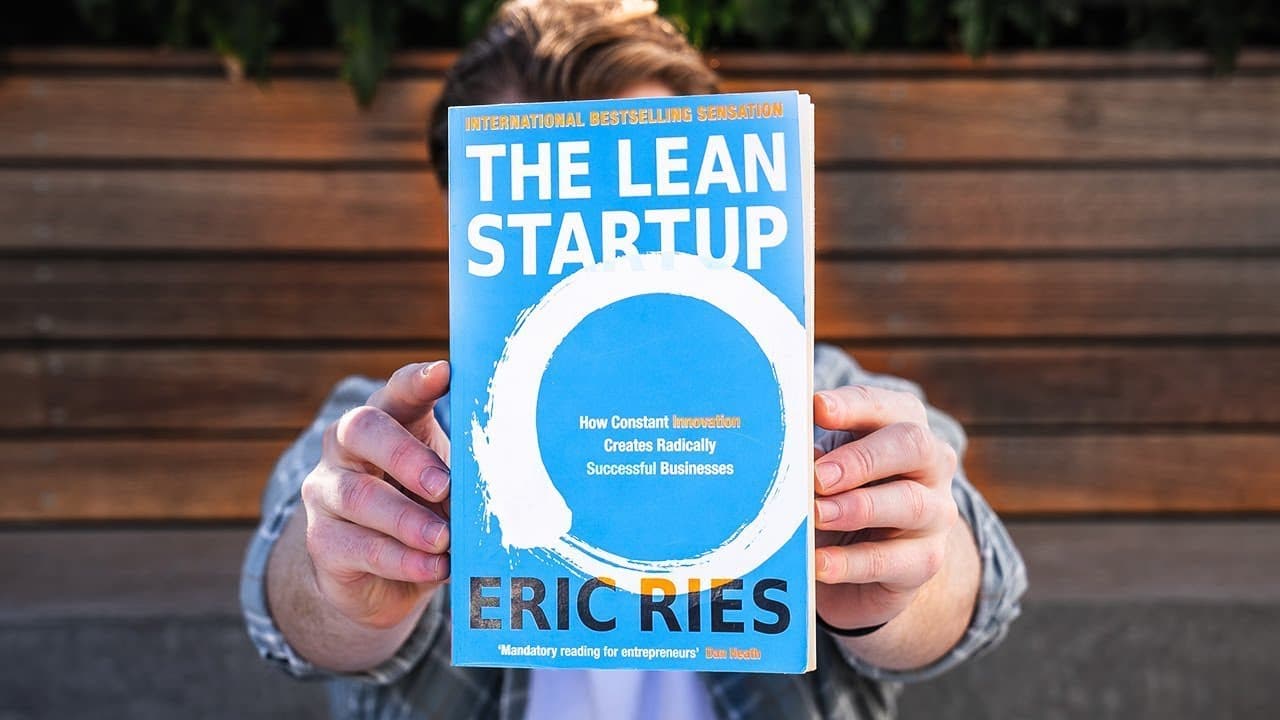
The Lean Startup by Eric Ries helps founders determine whether customers want a product through a build, measure, learn feedback loop. Start with the riskiest hypothesis, create the cheapest MVP that can test it, and measure behavior close to a purchase before deciding to pivot or persevere. The creator applied these ideas before launching The Oodie, and the examples ahead show how to reduce waste through validated learning.
Transcript
- Welcome back to the channel. Today, we're gonna go through one of my favorite books, "The Lean Startup" by Eric Ries. This book changed my life. This is part of our new series, "The Million Dollar Book Club." In this series, we're gonna discuss the top selling books for business and learning. I was failing so many startups, burning a lot of money... Read More
Key Insights
- The build, measure, learn loop is a method for determining whether customers want a product. It begins with a testable hypothesis, continues with a lean product or service, and ends by measuring results and turning customer behavior into validated learning.
- Validated learning is the main priority during a startup's early stages. Hiring, scaling, and product development create waste when they do not accelerate learning or test assumptions that matter to the future business model.
- A minimum viable product is the leanest version of a business that can test a hypothesis. Instead of buying many drones, signing restaurants, and hiring employees, a delivery startup could use one drone to complete real deliveries and observe practical problems.
- Payment is stronger evidence than encouragement from friends, followers, or prospective users. Customers reveal meaningful demand when they demonstrate buying intent, while compliments and audience size can hide weak product, market, or channel fit.
- A useful startup experiment tests the riskiest hypothesis first. The founder should write down the assumption, define the test and success criteria, survey customers during the experiment, review the evidence, and then proceed to the next learning cycle.
- Startup waste is work that does not increase useful learning or confirm important hypotheses. The seasoning business demonstrated this problem because significant effort and money went into production before testing whether the existing Instagram audience would purchase the product.
- MVP formats can reproduce a future service without building its full infrastructure. A demonstration video can test interest, a concierge MVP can deliver personalized service manually, and a Wizard of Oz MVP can conceal manual fulfillment behind a customer-facing website.
- The pivot or persevere decision should be based on experimental feedback. Persevering means continuing in a similar direction, while pivoting means changing direction when evidence exposes weak demand, operational obstacles, or a more promising use of the underlying idea.
Install to Summarize YouTube Videos and Get Transcripts
Explore YouTube Video Summarizer or Get YouTube Transcript Extractor
Questions & Answers
Q: How does the build, measure, learn feedback loop work?
Begin with a testable hypothesis about customer demand, then build the leanest product or service capable of testing it. Measure what customers actually do and convert the results into validated learning. That evidence guides the next experiment and the decision to pivot or persevere.
Q: What is validated learning in The Lean Startup?
Validated learning is evidence gained by testing an important business assumption with real customers. During a startup's early stages, founders should prioritize learning quickly whether anyone wants their product. Hiring or scaling without accelerating that learning can create waste.
Q: What is a minimum viable product for a startup?
A minimum viable product is the leanest version of a business that can test a hypothesis. A drone delivery startup could use one approved drone for real deliveries instead of buying 100 drones, signing many restaurants, and hiring employees. The goal is useful evidence before a large investment.
Q: How should a startup choose its first experiment?
Test the riskiest hypothesis that must be true for the business to work. For an eCommerce or SaaS startup, that may be whether someone will pay for the product. Write down the hypothesis, testing method, and success criteria, survey customers during the experiment, and review the evidence before proceeding.
Q: Why is payment stronger evidence than followers or compliments?
Payment directly tests whether customers are willing to buy, while followers, impressions, and praise can indicate attention without demand. The creator had over 600,000 Instagram followers but made barely any sales after launching a seasoning brand. A few products sold through a simple Shopify store could have tested product and channel fit earlier.
Q: What types of MVP can founders use?
Founders can test demand with demonstration videos, concierge services, or Wizard of Oz experiences. A demonstration video measures interest before development, while a concierge MVP provides the service personally. A Wizard of Oz MVP presents a functioning customer experience while fulfillment remains manual behind the scenes.
Q: How did DoorDash test its business with an MVP?
The founder reportedly created a website displaying restaurant products without first signing up the restaurants. When someone ordered, the founder personally picked up the food and delivered it. This generated real customer learning without building the complete delivery infrastructure first.
Q: When should a startup pivot or persevere?
The decision should follow customer behavior and experimental feedback. Persevere when the evidence supports continuing in a similar direction, and pivot when tests reveal weak demand, operational obstacles, or a more promising approach. For the drone example, limited range, battery problems, noise complaints, or the need for a larger drone could shape that decision.
Summary & Key Takeaways
-
The lean startup approach organizes early business development around a build, measure, learn feedback loop. A founder identifies a risky hypothesis, creates a minimum viable product to test it, measures customer behavior, and converts the result into validated learning. The purpose is to discover whether customers genuinely want the proposed product.
-
Experiments should test the most important uncertain assumption and define success before execution. Founders should document hypotheses, testing methods, and results, while surveying customers for additional insight. Purchases and strong buying intent provide better evidence than followers, impressions, compliments, or signups because they are closer to the desired commercial outcome.
-
A minimum viable product should be fast and inexpensive while generating useful evidence. Demonstration videos, concierge services, and manually operated Wizard of Oz experiences can validate demand before automation or large investments. The resulting evidence helps founders decide whether to persevere with the current direction or pivot toward a different approach.
Read in Other Languages (beta)
Share This Summary 📚
Summarize YouTube Videos and Get Video Transcripts with 1-Click
Try YouTube Summary with ChatGPT & Claude or YouTube Transcript Generator
Explore More Summaries from Davie Fogarty 📚

Summarize YouTube Videos and Get Video Transcripts with 1-Click
Try YouTube Summary with ChatGPT & Claude or YouTube Transcript Generator