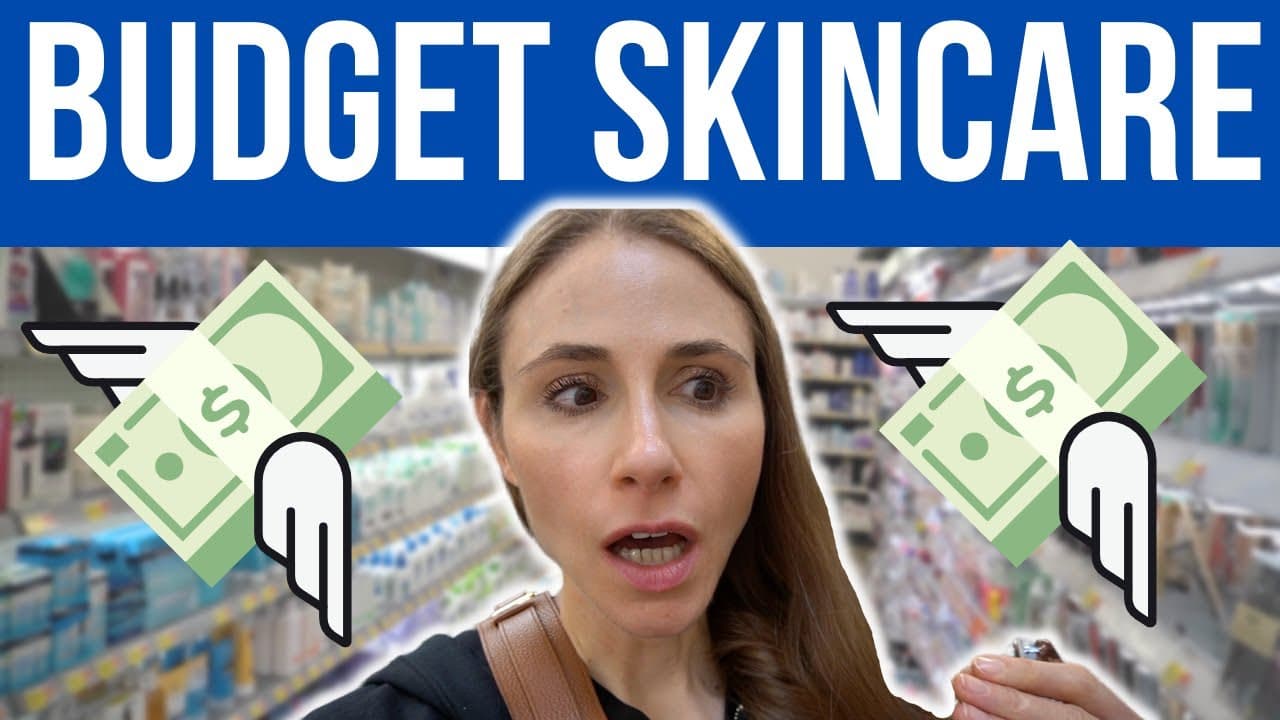
How to Choose Skin Care Products at Walmart
TL;DR
Choose personal care products by checking their ingredients, intended function, and irritation risk. Vitamin E oil may support antioxidant levels but can worsen scars through contact dermatitis, deodorants do not reduce sweating, mineral sunscreens may suit sensitive eye areas, and fragrance or adhesives can trigger irritation in susceptible skin.
Transcript
hey guys I'm here at Walmart let's check out what's new in the realm of skin care one thing I wanted to chat with you about so de Cruz has a vitamin E oil Vitamin E oil really popular remedy for softening and smoothing the skin now as far as putting this on a scar you have to know that it actually has been shown to be more harmful for scars in the ... Read More
Key Insights
- Vitamin E oil is an antioxidant treatment that may improve antioxidant levels in the skin and reduce oxidative stress associated with lipid damage. However, applying it to scars, healing cuts, or wounds can cause contact dermatitis and may leave scars worse over time.
- Deodorants are products that reduce or mask body odor, but they do not treat excessive sweating or reduce sweat outflow. Antiperspirants serve that different function, while mandelic acid deodorants theoretically reduce bacteria that break down sweat and contribute to odor.
- Sensitive body areas are more vulnerable to product irritation because skin-on-skin contact, occlusion, trapped moisture, sweat, and friction occur together. Products containing active ingredients, including mandelic acid deodorants, therefore require particular caution when applied around intimate or highly occluded areas.
- Artificial nail adhesives can cause contact dermatitis around the nails, and the allergen may be transferred to the eyelids and trigger eyelid dermatitis. Nail clippers also should not be shared, particularly when foot fungus is present, and should be disinfected after use.
- Flavored lip balms can irritate the lips because flavoring is a common allergen and irritant in lip-care products. Coconut oil itself is described as a useful moisturizing ingredient, although some people report that it aggravates their acne despite lacking clear support for being comedogenic.
- Salicylic acid works in anti-dandruff products by exfoliating flaky scalp buildup and helping reduce dandruff flares. A pre-wash treatment can use short-contact therapy, while zinc pyrithione shampoo is presented as another useful option that may be less drying than some alternatives.
- Sunscreen selection depends on ingredients, location, and application method. Hybrid formulas combine inorganic and organic filters, mineral formulas may be easier to tolerate near sensitive eyes, and sunscreen sticks require multiple passes because a single pass can skip areas.
- Zinc oxide diaper cream is a protective, anti-inflammatory barrier product that may help with chafing under the arms and within skin folds. The reviewed fragrance-free formula also contains oat for moisture-barrier support, anti-inflammatory compounds, and ceramides, and costs $3.50.
Install to Summarize YouTube Videos and Get Transcripts
Explore YouTube Video Summarizer or Get YouTube Transcript Extractor
Questions & Answers
Q: Can vitamin E oil improve scars safely?
Vitamin E oil should be used cautiously on scars because the reviewed evidence indicates that it can cause contact dermatitis and may make scars worse over time. Vitamin E still has antioxidant properties and may help improve antioxidant levels in skin, but cracking open a capsule and applying it to a scar, healing cut, or wound is not recommended.
Q: What is the difference between deodorant and antiperspirant?
Deodorant is intended to reduce or mask odor, while antiperspirant reduces the outflow of sweat. Body odor develops when bacteria break down sweat, including sweat under the arms, on the palms, and on the soles. Many deodorants are largely fragranced products, although mandelic acid formulas may also alter the bacteria present on the skin.
Q: Does armpit detoxification remove toxins through sweat?
Armpit detoxification is described as an unsupported clean-beauty claim. Sweat is mostly water and salts, and it is not presented as a primary pathway for eliminating toxins. Trace amounts of substances may be detected in sweat, but the liver performs the main detoxifying role. Clay masks may absorb surface moisture and sebum without significantly deodorizing the underarms.
Q: How can artificial nails and nail tools affect the skin?
Artificial nail adhesives can trigger contact dermatitis around the nails, and adhesive allergens may be transferred to the eyelids, causing eyelid dermatitis. Nail clippers should not be shared when foot fungus is a concern, and they should be disinfected after use. Fingernail changes also should not automatically be labeled as fungus because other causes may be responsible.
Q: What ingredients help control dandruff and scalp flakes?
Salicylic acid helps exfoliate flaky buildup on the scalp and may reduce dandruff flares. A pre-wash formula can be applied for a period before shampooing as short-contact therapy, while a leave-in treatment may suit people whose hair does not tolerate frequent washing. Zinc pyrithione shampoo is another recommended option and may feel less drying than some alternatives.
Q: How should sunscreen be selected for sensitive eyes?
A water-resistant mineral sunscreen may be easier to tolerate around sensitive eyelids because mineral filters tend to cause less irritation there. Water resistance can also help the product remain in place instead of weeping into the eyes. Organic sunscreen may avoid a visible cast, but it can sting around the eyes, and fragranced formulas add another potential concern.
Q: How should a sunscreen stick be applied effectively?
A sunscreen stick requires multiple passes across each area because stick application can skip parts of the skin. The reviewed Equate SPF 50 stick is a hybrid, water-resistant sunscreen and may be convenient around the eyes. Its convenience does not replace thorough application, so repeated, overlapping passes are necessary to reduce missed areas and uneven coverage.
Q: How can mineral oil help cradle cap or flaky skin?
Mineral oil can gently loosen accumulated flakes before washing. For infant cradle cap, a small amount may be massaged into the scalp before bath time, followed by gentle combing with a soft-bristle baby brush. The same principle can help dislodge peeling skin after a chemical peel or topical treatment, but aggressive picking or scraping should be avoided.
Summary & Key Takeaways
-
The Walmart product review distinguishes evidence-supported ingredients from poorly substantiated claims. Vitamin E can provide antioxidant benefits, but applying it to scars or healing wounds may cause contact dermatitis. Licorice root, oat extract, zinc oxide, ceramides, coconut oil, salicylic acid, and certain sunscreen filters are discussed for specific uses.
-
Deodorants reduce or mask odor, while antiperspirants reduce sweat outflow. Mandelic acid may help limit odor-producing bacteria, but sensitive and occluded areas can become irritated. Claims about armpit detoxification are rejected because sweat is mostly water and salts, while the liver performs the body’s primary detoxifying role.
-
Product selection should account for location and application technique. Mineral sunscreen may be easier around sensitive eyes, sunscreen sticks require multiple passes, pomades can aggravate facial comedones, and nail adhesives may cause dermatitis. Mineral oil can gently loosen cradle-cap flakes, while zinc oxide diaper cream can protect chafed skin.
Read in Other Languages (beta)
Share This Summary 📚
Summarize YouTube Videos and Get Video Transcripts with 1-Click
Try YouTube Summary with ChatGPT & Claude or YouTube Transcript Generator
Explore More Summaries from Davie Fogarty 📚






Summarize YouTube Videos and Get Video Transcripts with 1-Click
Try YouTube Summary with ChatGPT & Claude or YouTube Transcript Generator