How to Protect Yourself Before Marriage and Divorce
TL;DR
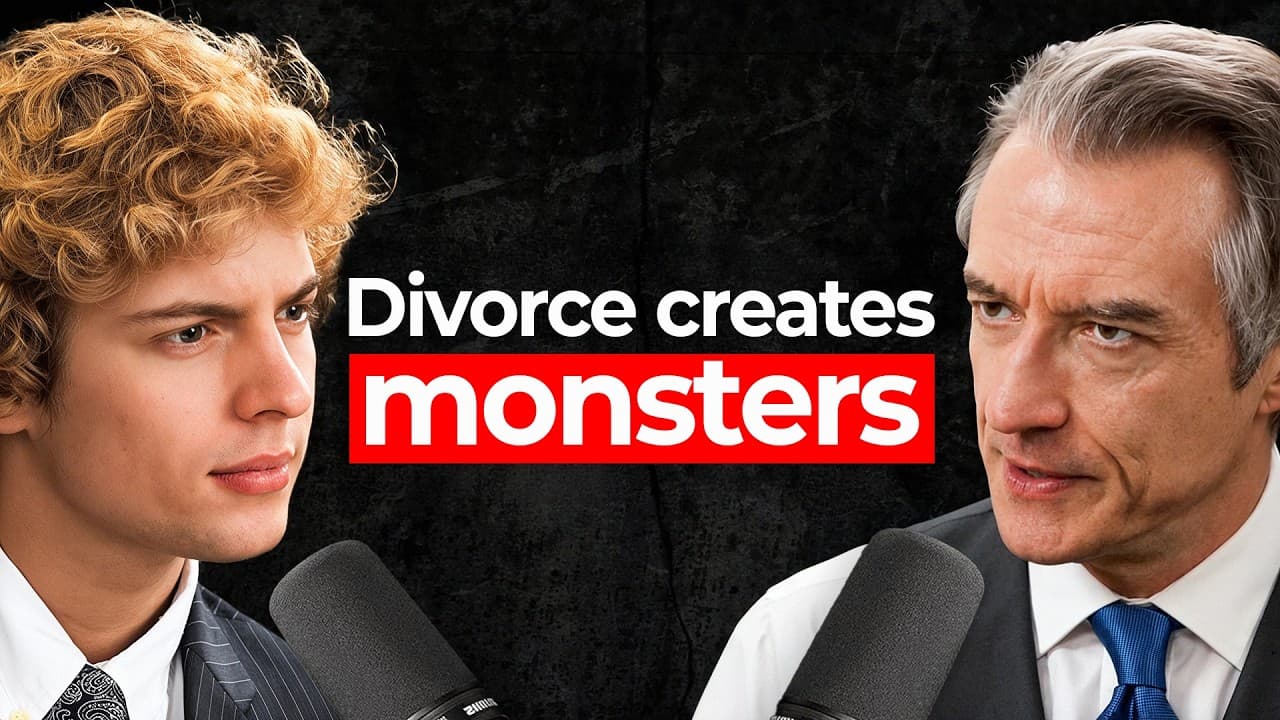
Marriage creates major legal consequences, yet many people discover those consequences only when consulting a divorce lawyer. Protect yourself by taking marriage seriously, understanding its legal implications beforehand, examining how you handle relationships, and treating past breakups as opportunities to identify unhealthy patterns instead of repeating them.
Transcript
Today's guest has mastered the dark art of divorce. >> In a divorce, if you're trying to protect the children, you're giving up a certain tactical advantage because if you don't care about the kids, you can weaponize the kids. With over 25 years as one of the top divorce lawyers in the US, he's represented billionaires, athletes, and celebrities in... Read More
Key Insights
- Marriage is one of the most legally significant actions a person can take, according to Sexton. Despite that importance, people commonly enter it without learning what they have legally agreed to, then discover the consequences only after the relationship collapses and they consult a divorce lawyer.
- Divorce rates are influenced by economic circumstances, marriage rates, and the age at which people marry. Sexton says divorces occur in both strong and weak economies, although the reasons differ, making his field resistant to recessions rather than dependent on one economic environment.
- People are marrying later than they once did. Sexton contrasts a previous average marriage age of 21 or 22 with a current range of 29 to 32, and argues that this change in timing is one factor affecting observed divorce rates.
- A divorce rate measures catastrophic marital breakdowns, not overall marital happiness. Some unhappy spouses remain married because of children, property, or religion, so a lower rate cannot by itself establish that more couples are satisfied with their relationships.
- Divorce can involve an extraordinary reversal of commitment. Sexton describes people moving from choosing one partner over billions of alternatives to accepting the loss of half their property or half their time with their children simply to end the relationship.
- Repeated relationship experience does not automatically improve relationship skills. Sexton compares it with practicing a technique incorrectly: repetition can reinforce flawed behavior, and unchanged relationship patterns may cause later partnerships to fail again, potentially more quickly.
- Divorce can become transformative when someone treats relationships as chapters in a longer story. Honest reflection can reveal personal needs, communication problems, repeated mistakes, and warning signs that were visible but previously ignored or rationalized.
- The opposite of love is indifference, according to Sexton, because both love and hate remain passionate emotions. His framing suggests that intense conflict can still reflect emotional engagement, while complete detachment signals that the emotional connection has disappeared.
- More videos from this channel:
- More from this channel: Jack Neel
Install to Summarize YouTube Videos and Get Transcripts
Explore YouTube Video Summarizer or Get YouTube Transcript Extractor
Questions & Answers
Q: How can someone protect themselves before getting married?
A person can begin by treating marriage as a legally significant decision rather than only a romantic milestone. Sexton recommends taking its risks seriously and understanding the legal consequences before entering it. He notes that people sign substantial paperwork for apartments, rentals, or car leases, yet often learn what marriage legally meant only after the relationship fails and they consult him.
Q: Why has the divorce rate decreased in recent years?
Sexton attributes changes in the divorce rate to several interacting factors, including economic circumstances, the overall marriage rate, and when people choose to marry. He says people now tend to marry between ages 29 and 32, compared with 21 or 22 previously. He also cautions that fewer divorces do not necessarily mean that more existing marriages are happy.
Q: Does a lower divorce rate mean marriages are happier?
A lower divorce rate does not necessarily demonstrate greater marital happiness. Sexton describes divorce statistics as counting marriages that failed so severely that a spouse accepted losing property or time with children to leave. Other unhappy people may stay married for their children, financial considerations, or religious reasons, meaning their dissatisfaction never appears in the divorce rate.
Q: Does having more relationships before marriage prevent divorce?
Having more relationships does not automatically create better relationship skills. Sexton argues that practice alone does not make someone proficient because repeatedly using the wrong approach merely reinforces it. Prior relationships become useful preparation only when a person evaluates what failed, recognizes personal patterns, understands unmet needs, and changes how those needs are communicated in the next partnership.
Q: How can divorce become a constructive experience?
Divorce can become constructive when a person treats the ended relationship as one chapter in a longer life and examines it honestly. Sexton recommends identifying what the experience revealed about personal needs, behavior toward partners, communication, and warning signs that were previously ignored. Carrying those lessons forward can support personal development instead of repeating the same relationship dynamics.
Q: Why should marriage be treated as a serious legal risk?
Marriage should be treated seriously because Sexton calls it the most legally significant act a person will undertake other than dying. He distinguishes negligence, failing to perceive a substantial and unjustifiable risk of serious harm, from recklessness, consciously disregarding such a risk. Given high divorce and low marriage-satisfaction rates, he argues that entering marriage casually may fit one of those descriptions.
Q: What does a catastrophic marital failure involve?
Sexton defines divorce as evidence of relationships that failed catastrophically, not merely relationships that became less enjoyable. In his description, a spouse may become willing to give away half of their property and lose half of their time with their children simply to leave. That decision represents an extreme reversal from once choosing that partner above every other available person.
Q: What warning signs can reveal an unhealthy relationship?
An unhealthy relationship may be easier to recognize than an ideal one is to define. Sexton says people can often sense when a couple does not like each other, while descriptions of good relationships can become vague terms such as connection or mutual fascination. He suggests that improving relationships may begin with identifying clearly harmful patterns and ensuring those patterns are absent.
Summary & Key Takeaways
-
Marriage should be approached as both an emotional commitment and a legally significant decision. James Sexton argues that people routinely sign extensive paperwork for apartments or cars while entering marriage without understanding its consequences. Many only discover what they legally agreed to after their relationship has broken down and they visit his office.
-
Divorce rates do not reveal how many marriages are genuinely happy. They count relationships that failed so severely that someone accepted financial losses and reduced time with children to leave. Other couples may remain together unhappily for their children, property, religion, or additional reasons, so a falling divorce rate requires careful interpretation.
-
Relationship experience produces growth only when people honestly examine what happened. Repeating the same habits can reproduce or accelerate failure, while reflection can make divorce transformative. Useful questions concern personal needs, communication, recurring behavior, and warning signs a person previously ignored. Better relationships may begin with recognizing and removing clearly destructive patterns.
Read in Other Languages (beta)
Share This Summary 📚
Summarize YouTube Videos and Get Video Transcripts with 1-Click
Try YouTube Summary with ChatGPT & Claude or YouTube Transcript Generator
Explore More Summaries from Jack Neel 📚
Summarize YouTube Videos and Get Video Transcripts with 1-Click
Try YouTube Summary with ChatGPT & Claude or YouTube Transcript Generator