How to Master Conversation Control and Mind Reading
TL;DR
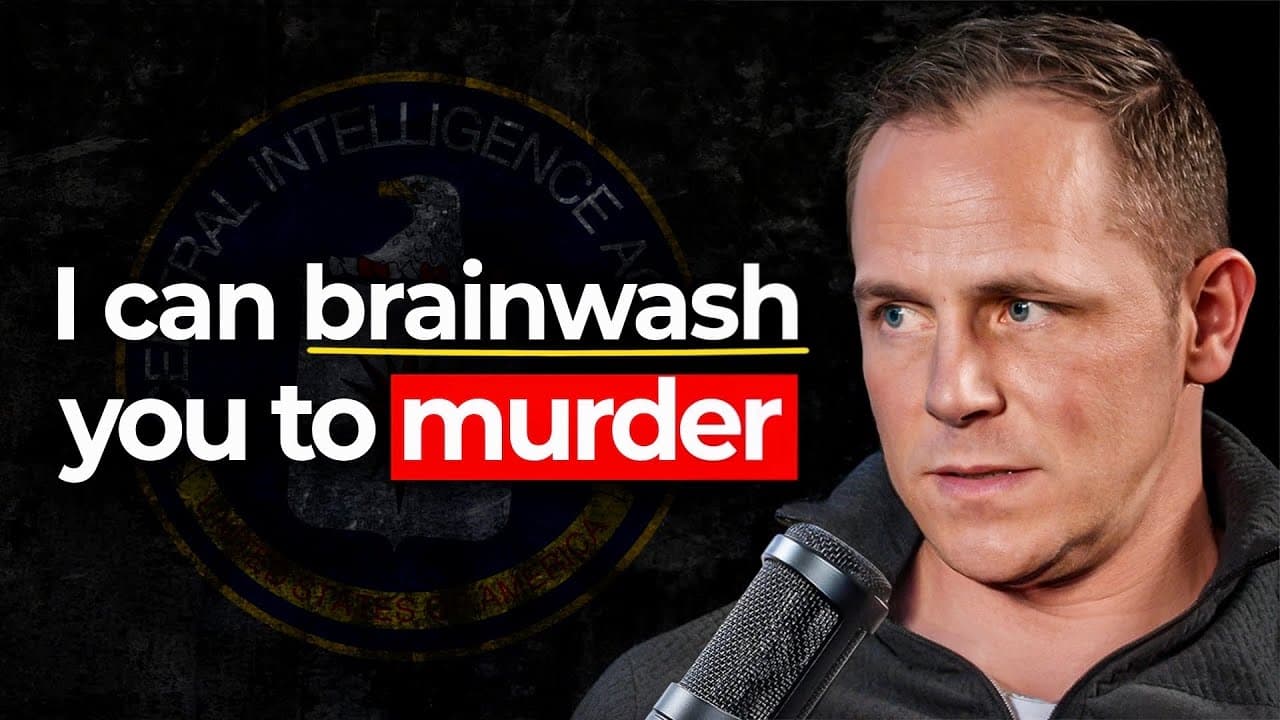
Chase Hughes, an expert in human behavior, shares techniques to control conversations and read people's minds through body language and non-verbal cues. He emphasizes the importance of understanding facial expressions, blink rates, and other subtle behaviors to gain influence and insight into others' thoughts. Hughes also discusses the effectiveness of kindness over torture in interrogations and how to use language and gestures to persuade.
Transcript
today's guest is a world leading expert in the art of human behavior so many people view the world as like Harry Potter but they think there's some magic script out there I'm just going to have this little spell and it's going to make somebody's Behavior change but this is as close as it gets right here serving 20 years in the US Navy he's trained ... Read More
Key Insights
- Facial expressions reveal emotions; lines on the face indicate habitual expressions like smiling or frowning.
- Blink rate is a strong indicator of stress or focus; higher blink rates suggest stress, while lower rates indicate focus.
- Lip compression often signifies withheld opinions, while lip retraction indicates a need for reassurance.
- Confidence is not about hierarchy; true confidence stems from self-assurance and is not dependent on external validation.
- Mirroring body language is a symptom of liking, not a technique to create it; emotional mirroring is more effective.
- Kindness is more effective than torture in interrogations, as it moves the subject away from survival instincts.
- Statements, not questions, are more effective in eliciting information, especially in sensitive situations.
- Authority and presence are crucial in persuasion; language techniques are secondary to non-verbal communication.
Install to Summarize YouTube Videos and Get Transcripts
Explore YouTube Video Summarizer or Get YouTube Transcript Extractor
Questions & Answers
Q: How can you tell what someone is feeling by looking at their face?
Facial expressions provide significant insight into a person's emotions. Lines etched into the face from habitual expressions, such as crow's feet from smiling or lines from frowning, can indicate someone's typical emotional state. Observing these patterns helps in understanding their emotional tendencies.
Q: What does a high blink rate indicate?
A high blink rate often indicates stress or deception. In contrast, a lower blink rate suggests focus and interest. During conversations, changes in blink rate can reveal when a person is experiencing stress, providing clues about their emotional state or truthfulness.
Q: What does lip compression signify?
Lip compression usually signifies withheld opinions. When someone presses their lips together, they might be holding back something they want to say. This can be a useful indicator in negotiations or interrogations to identify when someone is not fully disclosing their thoughts.
Q: Why is kindness more effective than torture in interrogations?
Kindness is more effective because it moves the subject away from survival instincts, allowing them to focus on cooperation rather than self-preservation. Torture pushes individuals into survival mode, leading to false information as they seek to end the discomfort.
Q: How can you make someone comfortable during a conversation?
To make someone comfortable, approach them with openness and non-threatening body language. Avoid facing them head-on, which can trigger a confrontational response. Use open palms and maintain a relaxed posture to convey trust and reduce perceived threats.
Q: What is the significance of confidence in persuasion?
Confidence is crucial in persuasion as it is contagious and can influence others. True confidence stems from self-assurance and is not reliant on external validation or hierarchy. It allows for effective communication and leadership, making persuasive efforts more successful.
Q: How do statements help in eliciting information?
Statements are more effective than questions in eliciting information, especially in sensitive situations, because they reduce the perceived pressure to respond defensively. Statements can provoke corrections or elaborations, leading to more detailed disclosures from the subject.
Q: When is mirroring body language effective?
Mirroring body language is effective when it occurs naturally as a symptom of mutual liking. Rather than forcing mirroring to create rapport, focusing on emotional and cognitive alignment with the other person is more effective for building trust and connection.
Summary & Key Takeaways
-
Chase Hughes explains that understanding non-verbal cues like facial expressions and blink rates can provide insights into a person's thoughts and emotions. He highlights the importance of confidence, which should be self-derived rather than based on hierarchy.
-
In interrogations, kindness is more effective than torture, as it moves the subject away from survival instincts and encourages cooperation. Hughes also discusses how statements can be more effective than questions in eliciting information.
-
Hughes emphasizes the role of authority and presence in persuasion, noting that language techniques are secondary to non-verbal communication. He shares various strategies for influencing others through gestures and emotional mirroring.
Read in Other Languages (beta)
Share This Summary 📚
Summarize YouTube Videos and Get Video Transcripts with 1-Click
Try YouTube Summary with ChatGPT & Claude or YouTube Transcript Generator
Explore More Summaries from Jack Neel 📚






Summarize YouTube Videos and Get Video Transcripts with 1-Click
Try YouTube Summary with ChatGPT & Claude or YouTube Transcript Generator