How to Launch and Market a Clothing Brand
TL;DR
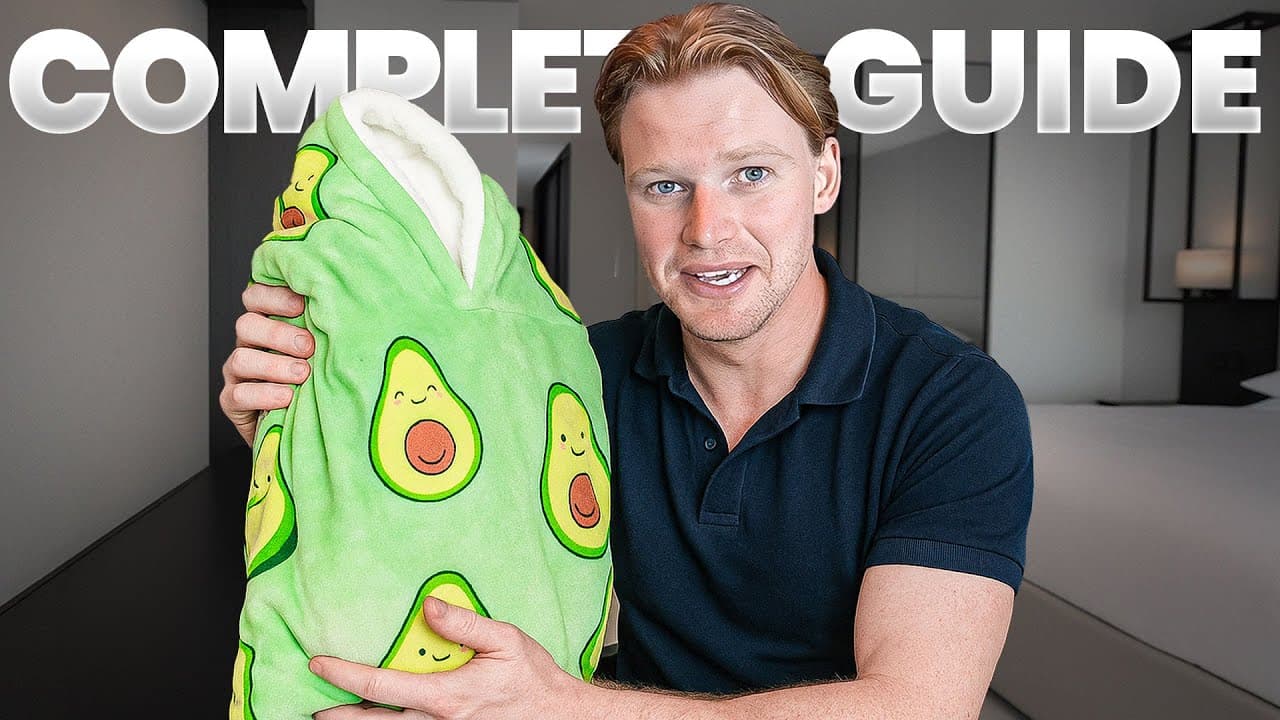
Start by choosing whether your clothing brand will target an evergreen category or a trend, then define a clear unique selling proposition and intended acquisition channel before developing products. The guide favors visually distinctive products suited to demand-creation platforms such as Facebook, Instagram, and TikTok, while also covering suppliers, pricing, branding, imagery, Shopify payments, email, and launch marketing.
Transcript
so I often get asked the question if you have your time over again how would you start making $10,000 a month and the answer is pretty obvious I would do the exact same thing that made me millions of dollars which is clothing so in today's episode I'm going to cover absolutely everything how to launch a clothing e-commerce store from scratch I'm go... Read More
Key Insights
- A clothing brand is easier to position when its founder first decides whether it is trend based or evergreen. Trend products may gain attention quickly, while evergreen categories can support continued iteration and expansion across related products over a longer period.
- A unique selling proposition is essential because new clothing businesses face intense competition from established labels. Claims about better quality, colors, or style are weak when competitors make similar claims, so the product needs a difference that customers can immediately understand.
- Early results can help new entrepreneurs stay committed to the process and attract more attention across marketing platforms. A trend-based proposition can serve as an initial vehicle for building reach before the company expands into more sustainable, evergreen product categories.
- The acquisition channel should influence product development from the beginning. A founder should consider existing skills, relationships, and platform knowledge, then design a product whose most important distinction can be communicated effectively through the chosen form of marketing.
- Paid social advertising is presented as a strong vehicle for creating demand because platforms such as Facebook, Instagram, TikTok, Snapchat, and Pinterest can interrupt audiences with visual content. Products with immediately visible benefits are therefore better suited to this approach.
- Google Shopping is a demand-capture channel because it reaches people already searching for products such as a white puffer jacket. Fashion brands may struggle to scale there because listings provide limited space to explain a unique selling proposition and competition is intense.
- SEO is difficult for a new fashion store because major retailers already compete for broad terms such as oversized hoodies or fleece leggings. Their domain histories, backlinks, and marketing resources create advantages that a new website cannot quickly reproduce.
- Influencer marketing resembles paid demand creation but is less scalable because brands must contact creators individually, coordinate posts, and measure results. Other available routes include traditional media and wholesale, but each requires a marketing plan aligned with the product and brand.
Install to Summarize YouTube Videos and Get Transcripts
Explore YouTube Video Summarizer or Get YouTube Transcript Extractor
Questions & Answers
Q: How should you start planning a clothing brand?
Start by identifying the type of fashion brand you want to build and whether its opportunity is trend based or evergreen. Then define a unique selling proposition and select the acquisition channel you expect to use. Working backward from marketing helps ensure the product has a visible, understandable difference that can be communicated through advertisements, influencers, search, wholesale, or traditional media.
Q: What is the difference between trend-based and evergreen fashion brands?
A trend-based fashion brand is built around a product or idea that can gain attention quickly but may decline as interest fades or competitors enter. An evergreen brand operates in a category that can remain relevant and support repeated product iteration. The tradeoff is that evergreen fashion can be harder to enter because established labels already compete strongly on style and reputation.
Q: Why does a clothing brand need a unique selling proposition?
A unique selling proposition gives customers a clear reason to choose a new brand instead of established competitors. General claims about better quality, colors, or style are insufficient when many companies say the same things. The proposition should be distinct and easy to communicate, particularly through visual advertisements, so potential customers can recognize the difference before touching or trying the product.
Q: How should marketing influence clothing product development?
Product development should begin with the intended acquisition channel in mind. Founders may have different advantages, such as retail relationships, knowledge of TikTok organic marketing, or experience with Facebook advertising. The product should fit those strengths and communicate well in that environment. For paid social, its primary benefit should be visually obvious enough to demonstrate through images or short videos.
Q: Why are Facebook, Instagram, and TikTok useful for clothing marketing?
Facebook, Instagram, and TikTok are described as demand-creation platforms because advertisements can introduce products to people who were not already searching for them. This interruption model lets a brand demonstrate a visually distinctive feature or proposition. The approach becomes harder when the only difference is quality that customers can understand only after physically touching the clothing.
Q: Why can Google Shopping be difficult for a new fashion brand?
Google Shopping captures existing demand from people already searching for products, such as a white puffer jacket. Fashion competition on the platform is intense, and the small product image provides limited room to explain a unique selling proposition. A new brand may therefore struggle to scale when its advantage requires more context than a shopping listing can communicate.
Q: Why is SEO challenging for a new clothing store?
SEO is challenging because established retailers already compete for large fashion keywords such as oversized hoodies and fleece leggings. Their websites benefit from domain history, backlinks, and significant investment, all of which are difficult for a newcomer to reproduce quickly. A new clothing store should therefore avoid assuming that broad organic search rankings will provide an easy initial acquisition channel.
Q: What stages are involved in launching a clothing ecommerce store?
The guide organizes the launch across research, product development, store creation, and marketing. Its listed topics include finding trends, choosing marketing strategies, using research tools, designing products, working with suppliers, understanding pricing, evaluating supplier quality, defining the brand, creating product imagery, writing copy, choosing a name, configuring Shopify payment options, building email marketing, and promoting the finished product.
Summary & Key Takeaways
-
A clothing brand should begin with a clear business model, either pursuing an evergreen category or using a trend to gain early traction. Evergreen categories may support continued product iteration, but they are difficult for newcomers when established labels already compete on style, quality, colors, and reputation without an obvious differentiating proposition.
-
Product research should work backward from the intended acquisition channel. Paid social platforms can create demand through interruption and visual advertising, while Google Shopping captures demand that already exists. SEO is difficult for new fashion stores because established retailers compete for major keywords using older domains, extensive backlink profiles, and substantial resources.
-
Launching also requires coordinated execution across design, supplier selection, pricing, brand definition, product imagery, copywriting, naming, Shopify payment options, email marketing, and customer acquisition. The product must communicate its advantage clearly in marketing content, because benefits that are noticeable only through physical touch can be difficult to demonstrate and convert through video advertisements.
Read in Other Languages (beta)
Share This Summary 📚
Summarize YouTube Videos and Get Video Transcripts with 1-Click
Try YouTube Summary with ChatGPT & Claude or YouTube Transcript Generator
Explore More Summaries from Davie Fogarty 📚




Summarize YouTube Videos and Get Video Transcripts with 1-Click
Try YouTube Summary with ChatGPT & Claude or YouTube Transcript Generator