Cannibalism in the animal kingdom - Bill Schutt
TL;DR
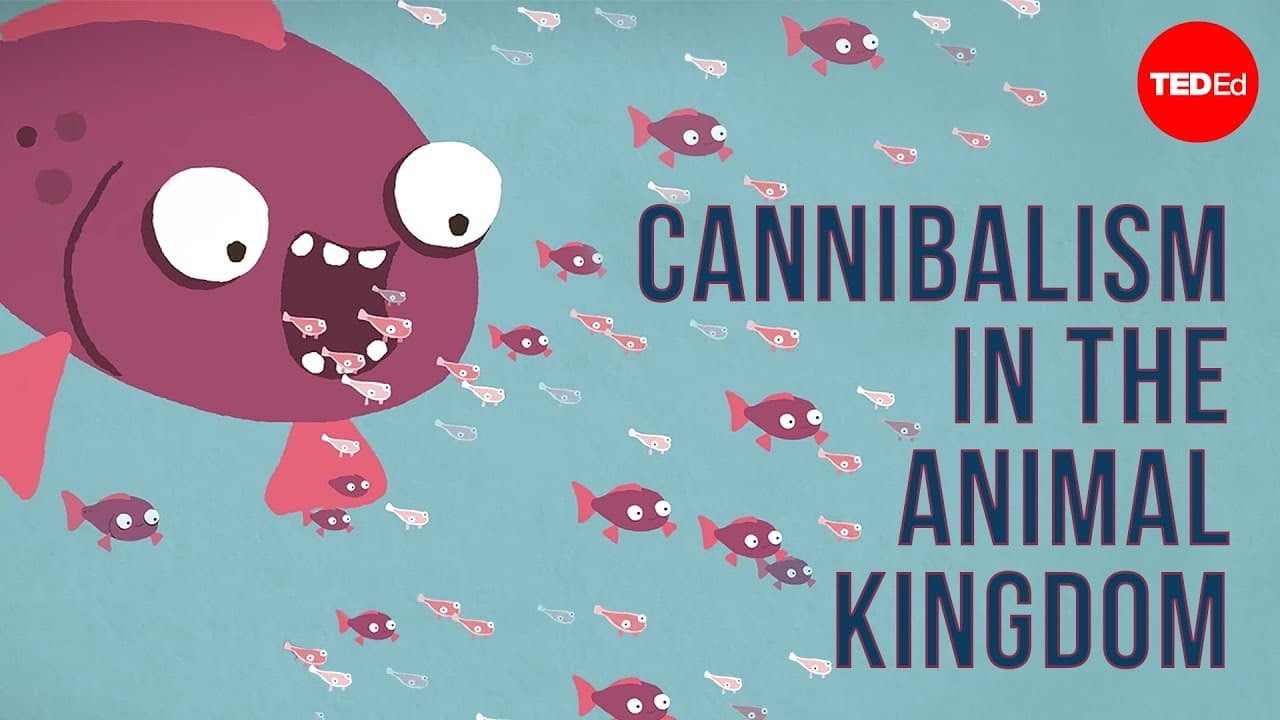
Cannibalism in the animal kingdom serves essential survival functions, allowing species to reduce competition and bolster the strong. For instance, spadefoot toad tadpoles consume their smaller siblings to grow faster and escape drying ponds. Various species engage in cannibalism as a natural part of their life cycle to ensure overall species survival, especially in harsh environments.
Transcript
In the deserts of the American Southwest, spadefoot toad tadpoles hatch in tiny oases. Until they develop into toadlets, they can’t survive outside of water, but these ponds are transient and quickly evaporate. The tadpoles are in a race against the clock to grow up before their nurseries disappear. So nearly overnight, some of the brood explo... Read More
Key Insights
- 🛟 Cannibalism in nature serves various purposes, from ensuring survival in harsh environments to reducing competition among species.
- ❓ Some animal species resort to cannibalism to outgrow vulnerable stages and improve their chances of survival in dangerous conditions.
- 🐟 Fish, mammals, and even insects engage in cannibalistic behaviors as a normal part of their life cycles to promote species survival.
- 🖐️ Cannibalism is a widespread phenomenon in the animal kingdom, playing a crucial role in maintaining ecological balance and ensuring the survival of the fittest.
Install to Summarize YouTube Videos and Get Transcripts
Explore YouTube Video Summarizer or Get YouTube Transcript Extractor
Questions & Answers
Q: Why do spadefoot toad tadpoles resort to cannibalism?
Spadefoot toad tadpoles resort to cannibalism as a way to outgrow a vulnerable stage quickly before their nurseries dry up, reducing the risk of predation and ensuring their survival.
Q: How does cannibalism promote species survival in nature?
Cannibalism in nature helps reduce competition among species, cull weaker individuals, and ensure that the strongest and most well-equipped individuals survive to pass on their genes, thus promoting the survival of the species as a whole.
Q: In what scenarios do fish engage in cannibalism?
Fish engage in cannibalism during foraging behavior, where they opportunistically consume fish eggs, larvae, and juveniles, which are easily available and nutrient-rich, helping them survive and thrive in competitive environments.
Q: How does cannibalism impact offspring in mammalian species?
In mammalian species like hamsters, rats, and lions, cannibalism occurs when mothers eat sick, dead, or surplus offspring to conserve resources or ensure maternal fitness, highlighting the harsh realities of nature's survival strategies.
Summary
Cannibalism, once thought to be a rare response to extreme stress, is actually a common phenomenon in the animal kingdom. Various species engage in cannibalism as a way to reduce competition, eliminate the weak, and strengthen the strong. It can be a survival strategy to outgrow vulnerable stages or to obtain necessary nutrients. This article explores different examples of cannibalism in nature and challenges us to consider how our human standards may limit our understanding of the natural world.
Questions & Answers
Q: Why do spadefoot toad tadpoles engage in cannibalism?
Spadefoot toad tadpoles engage in cannibalism as a response to environmental pressures. Their ponds quickly evaporate, so they need to grow quickly before their nurseries disappear. By consuming their smaller pond mates, they obtain extra fuel and nutrients, enabling them to develop faster and leave the pond before it dries out.
Q: Why do some fish engage in cannibalism?
Fish engage in cannibalism during foraging behavior, particularly when it comes to their offspring. Fish produce numerous tiny young, and adults have limited individual recognition of their own offspring. Fish eggs, larvae, and juveniles make convenient and nutrient-rich meals for adults. Even siblings cannibalize each other. With thousands of eggs in a clutch, there are still enough available to hatch after the adults have consumed some.
Q: How does cannibalism benefit sand tiger shark offspring?
Sand tiger sharks hatch at different times inside their mother's oviducts. When the hatchlings run out of yolk from their own eggs, they turn to eating the other eggs and hatchlings until only one baby shark remains in each oviduct. The surviving baby sharks are well-nourished and experienced predators, giving them a higher chance of survival when they emerge.
Q: Why do some rodent mothers eat their young?
Hamsters, rats, and other rodent mothers may eat some of their young if they are sick, dead, or if there are too many to feed. This is a way for the mother to maintain the health and survival of the remaining offspring.
Q: Why do male lions and bears sometimes kill cubs sired by another male?
In mammals like lions and bears, males may kill cubs that are not their own. This behavior is driven by the fact that childless females become receptive to mating more quickly. By killing the cubs, the males increase their chances of mating with the female sooner. Instead of wasting the nutritious meat, they consume the dead cubs.
Q: How do male Australian redback spiders benefit from cannibalizing after mating?
Male Australian redback spiders are significantly smaller than the females they mate with. After mating, the male does a somersault, bringing his abdomen into contact with the female's mouthparts. The female showers him with enzyme-rich gut juice and consumes his abdomen. This behavior ensures that the female receives both the male's sperm and a nutritious meal. By providing the female with nutrients, the male increases the chances of the female surviving to pass on his genes.
Q: Why is cannibalism less common in birds?
Cannibalism is less common in birds compared to other animals. However, certain bird species may engage in cannibalism by eating diseased or dead hatchlings. This behavior serves as a way to dispose of the bodies before they attract maggots and potentially spread disease.
Q: Why are males cannibalized more often than females during mating in spiders?
In spider species like the Australian redback spider, males are cannibalized more often than females during mating. This is primarily because the males are usually smaller than the females. After mating, the tiny male provides the female with his abdomen, which serves as a nutritious meal. This cannibalistic behavior helps ensure the female's survival and increases the male's chances of passing on his genes.
Q: What are the benefits of cannibalism for a species as a whole?
Cannibalism can promote the survival of a species by reducing competition, culling the weak, and bolstering the strong. By consuming weaker individuals or siblings, stronger members have better access to resources and a higher chance of survival. This helps maintain the overall fitness and success of the species.
Q: How does the prevalence of cannibalism challenge human standards of nature?
The prevalence of cannibalism in the animal kingdom challenges our human standards and assumptions about nature. Previously, cannibalism was considered an exception rather than the norm. By reevaluating our understanding and recognizing cannibalism as a common behavior, we open ourselves up to a deeper understanding of the natural world and the various strategies employed for survival.
Takeaways
Cannibalism is a widespread phenomenon in the animal kingdom and serves as a survival strategy for various species. It can be a response to environmental pressures, a way to obtain necessary nutrients, or reduce competition. Cannibalism challenges our human standards and highlights the diversity and complexity of nature. By recognizing the prevalence of cannibalism, we can gain a deeper understanding of the strategies employed by different species for survival and adaptation.
Summary & Key Takeaways
-
Spadefoot toad tadpoles resort to cannibalism to outgrow a vulnerable stage before their pond dries up.
-
Various species, from fish to mammals, practice cannibalism as a normal part of their life cycle to promote survival.
-
Cannibalism in nature serves purposes such as reducing competition, culling the weak, and ensuring the survival of the fittest.
Read in Other Languages (beta)
Share This Summary 📚
Summarize YouTube Videos and Get Video Transcripts with 1-Click
Try YouTube Summary with ChatGPT & Claude or YouTube Transcript Generator
Explore More Summaries from TED-Ed 📚





Summarize YouTube Videos and Get Video Transcripts with 1-Click
Try YouTube Summary with ChatGPT & Claude or YouTube Transcript Generator