What Causes Addiction and How to Manage It?
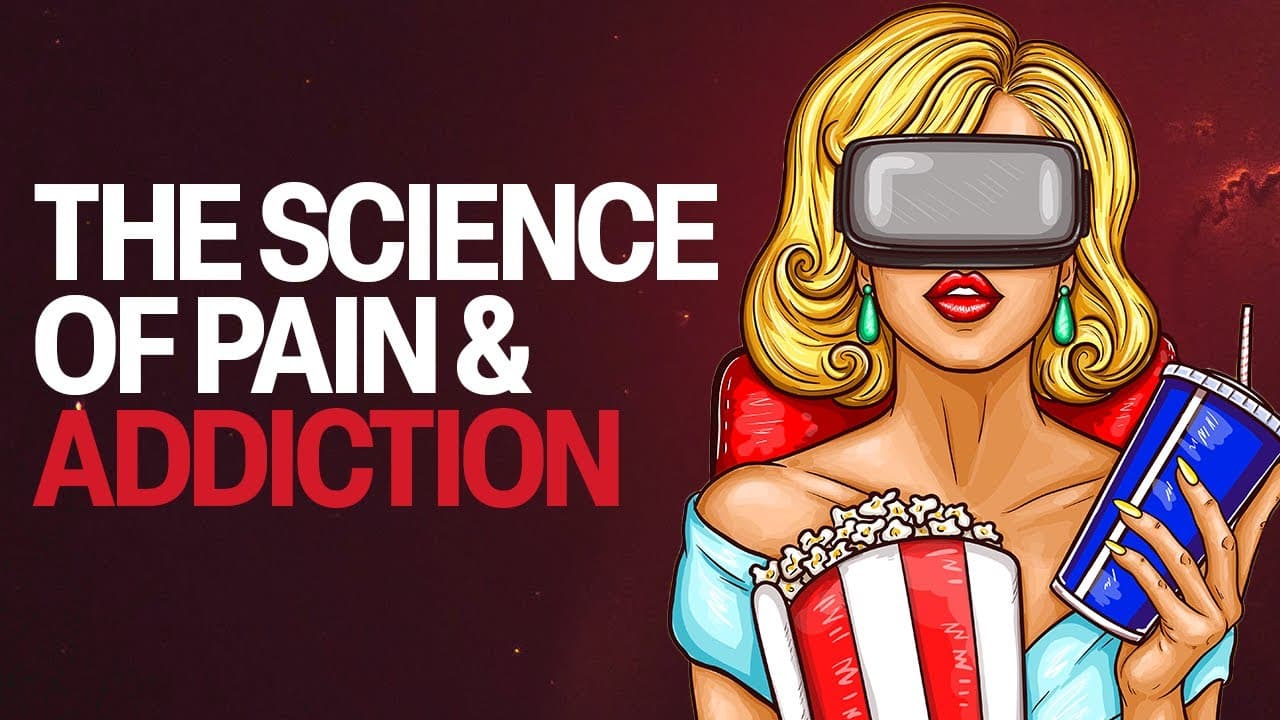
TL;DR
Addiction arises from the interplay of dopamine release in the brain's reward system, leading to cravings and compulsive behaviours. Recovery is often achieved through a minimum of 30 days of abstinence, allowing the brain to reset and restore balance, while support groups like Alcoholics Anonymous play a crucial role in fostering recovery.
Transcript
how hard is it for you to put down your phone how badly do you crave that morning cup of coffee do you gamble shop or drink just a little bit too much the potential for addiction is everywhere in our society and in this episode of the knowledge project psychiatrist and author Dr Anna Lemke helps uncover the mysterious gap between pain and pleasure ... Read More
Key Insights
- 🤩 Dopamine is the key neurotransmitter involved in pleasure, reward, and motivation, making it a common factor in addiction.
- ❓ Addiction involves more than just tolerance; it includes compulsive behaviors and harmful consequences to oneself and others.
- 😒 Pleasure and pain are processed in the same brain regions, and addiction leads to a dopamine deficit state, causing cravings and motivating continued drug use.
- 🥳 Recovery from addiction requires abstaining from the drug of choice for at least 30 days to reset reward pathways and restore homeostasis.
- 🆘 Alcoholics Anonymous (AA) is a successful mutual help organization that provides support, a sober social network, and a structured program to help individuals with addiction.
- 🧑🏭 Shame can be a motivating factor for recovery and can help individuals recognize and address their addiction.
- 🥳 Focusing on short-term goals and taking addiction recovery one day at a time can make the process more manageable.
- ✳️ Stress, trauma, and the availability of highly potent drugs contribute to the risk of addiction in modern society.
- 😒 The role of the healthcare provider is crucial in identifying and addressing addiction, as patients may not always disclose their substance use willingly.
- 🎙️ More videos with Anna Lembke:
Install to Summarize YouTube Videos and Get Transcripts
Explore YouTube Video Summarizer or Get YouTube Transcript Extractor
Questions & Answers
Q: How does dopamine work in the brain and why is it linked to addiction?
Dopamine is a neurotransmitter that bridges the gap between neurons. It plays a key role in pleasure, reward, and motivation. Addictive substances and behaviors release dopamine in the brain's reward circuit, making them more reinforcing and potentially addictive.
Q: What is the relationship between pain and pleasure in addiction?
Pleasure and pain are co-located in the brain, with the same parts processing both sensations. Addiction leads to a dopamine deficit state, causing cravings and motivating individuals to seek their drug of choice. This constant craving keeps the pleasure-pain balance tilted towards pain, leading to continued drug use.
Q: How long does it take to reset reward pathways in the brain during recovery from addiction?
For individuals who have become addicted, 30 days is the minimum to begin resetting reward pathways. Two weeks is almost never enough. It takes time for the brain to restore dopamine levels and for homeostasis to be fully restored.
Q: What are the warning signs of addiction?
Warning signs include compulsive, out-of-control use, increased tolerance, cravings, and experiencing negative consequences despite continued drug use. Lying or minimizing drug use is also a common sign.
Summary & Key Takeaways
-
Addiction is fueled by the release of dopamine, the neurotransmitter responsible for pleasure, reward, and motivation.
-
Dopamine is released in the brain's reward circuit, creating a reinforcing effect that can lead to addiction.
-
Tolerance alone is not enough to diagnose addiction, as it involves compulsive behaviors and harmful consequences to oneself and others.
Read in Other Languages (beta)
Share This Summary 📚
Summarize YouTube Videos and Get Video Transcripts with 1-Click
Try YouTube Summary with ChatGPT & Claude or YouTube Transcript Generator
Explore More Summaries from The Knowledge Project | Full Episodes 📚





Summarize YouTube Videos and Get Video Transcripts with 1-Click
Try YouTube Summary with ChatGPT & Claude or YouTube Transcript Generator