How to Improve Your Memory While Reading
TL;DR
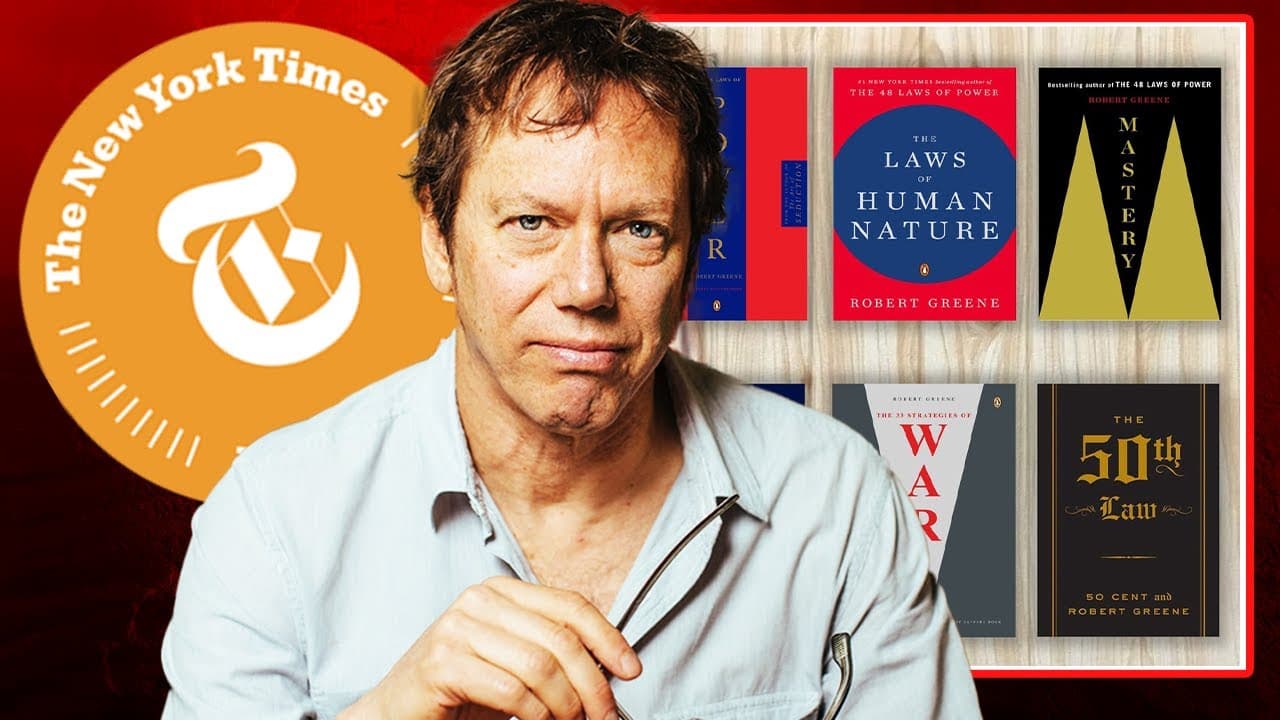
Improve your memory retention by engaging deeply with the text you read. Focus on identifying key themes and concepts through note-taking and reflection. A handwritten note card system not only organizes your thoughts but also enhances your understanding and connection to the material.
Transcript
your books are so unique and that they draw in like dozens and dozens of examples many of them are unique they're not the same examples that people use in books I want to talk about the process you go through pulling all of that together well God that's a that's a great question it's kind of complicated but um when I'm starting to research I kind o... Read More
Key Insights
- 📖 Keeping the research process open-ended helps in discovering unique and interesting examples for the book.
- 👋 Good books are characterized by the author's deep understanding, effort, and willingness to speculate.
- 📔 The handwritten note card system helps in categorizing and organizing ideas from the books, allowing for efficient generation of material for each chapter.
- 🫠 Reading books on a variety of subjects, such as biographies, anthropology, and psychology, adds depth and richness to the author's research.
- 🫠 Avoiding reading too much contemporary non-fiction helps in maintaining originality and avoiding repetition.
- 🎴 The author prefers physical note cards over digital systems due to the logic and tactile experience they provide.
- 🤩 Energy, aliveness, and depth are key elements that make a book engaging and vibrant.
Install to Summarize YouTube Videos and Get Transcripts
Explore YouTube Video Summarizer or Get YouTube Transcript Extractor
Questions & Answers
Q: How does the author approach the process of pulling together examples for his books?
The author casts a wide net during research, keeping it open-ended to constantly discover unique examples that are not commonly found in books. This helps in creating a more interesting and fresh content.
Q: What makes a good book according to the author?
A good book is one where the author shows a deep understanding of the subject, puts in a lot of effort, and isn't afraid to speculate or present their ideas. The author believes that good books are characterized by their vibrancy and the energy they bring to the reader.
Q: How does the author organize the information from the books he reads?
The author uses a handwritten note card system. He marks up the books and makes notes in the margins while reading. Later, he transfers the notes onto note cards organized by themes. This allows him to categorize the material and generate ideas and stories for each chapter.
Q: Why does the author prefer writing things out by hand instead of using a digital system?
The author finds that writing things out by hand using a pen and note cards allows him to think more deeply than typing on a computer. He feels a closer and faster link between his brain and the handwriting process. Additionally, having physical note cards in a box allows for faster and easier navigation through the material.
Summary & Key Takeaways
-
The author believes in casting a wide net during research to keep the book's direction open-ended and constantly discover new ideas.
-
Good books are characterized by the author's deep understanding of the subject, effort, and willingness to speculate, while bad books repeat ideas or reflect the author's prejudices.
-
The author uses a handwritten note card system to organize themes and ideas from the books he reads, which helps in categorizing and generating material for chapters.
Read in Other Languages (beta)
Share This Summary 📚
Summarize YouTube Videos and Get Video Transcripts with 1-Click
Try YouTube Summary with ChatGPT & Claude or YouTube Transcript Generator
Explore More Summaries from The Knowledge Project Podcast 📚




Summarize YouTube Videos and Get Video Transcripts with 1-Click
Try YouTube Summary with ChatGPT & Claude or YouTube Transcript Generator