What Is the Role of Dopamine in Addiction Recovery?
TL;DR
Dopamine is a neurotransmitter crucial for pleasure and reward, playing a key role in addiction. Recovery involves resetting dopamine levels by reducing exposure to addictive substances or behaviors, which helps an individual find balance and meaning in everyday life. This process is critical for overcoming addiction and improving overall well-being.
Transcript
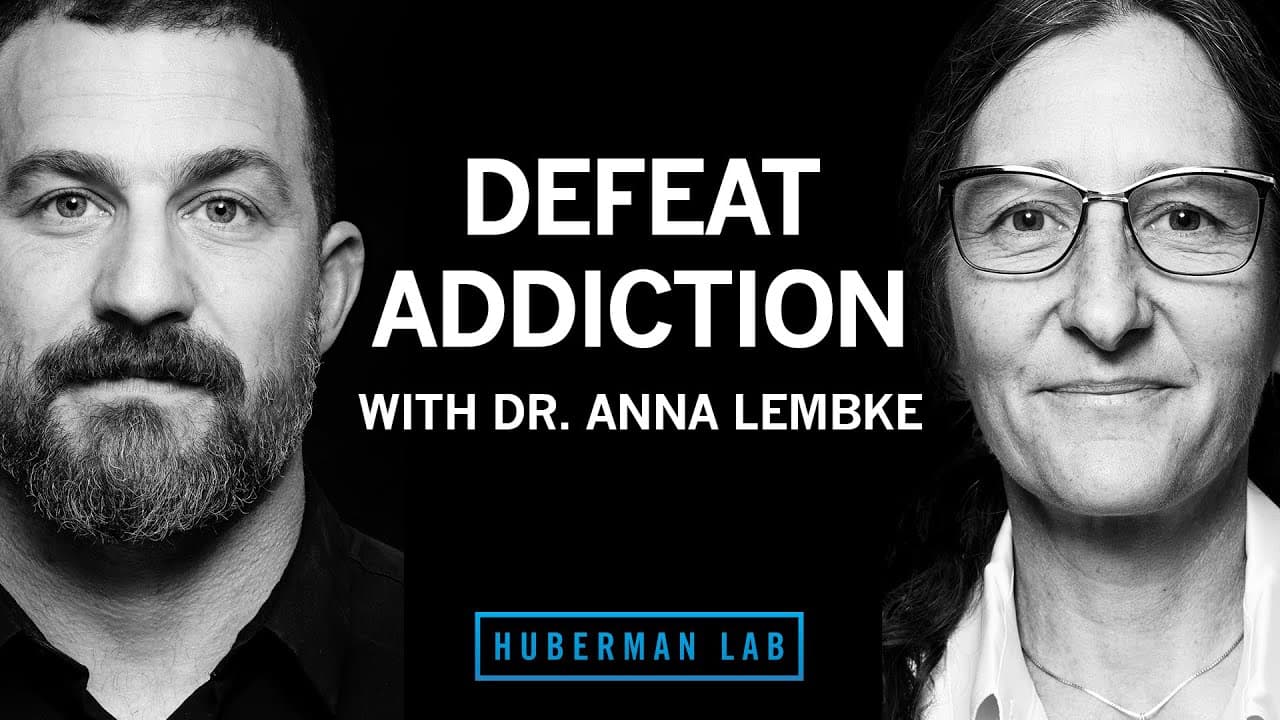
- Welcome to the Huberman Lab podcast, where we discuss science and science-based tools for everyday life. I'm Andrew Huberman, and I'm a professor of neurobiology and ophthalmology at Stanford School of Medicine. Today I have the pleasure of introducing Dr. Anna Lembke. Dr. Lembke is a psychiatrist and the chief of the Addiction Medicine Dual Diag... Read More
Key Insights
- 🧡 Addictions can involve a wide range of substances and behaviors and have a common underlying biological basis related to the brain's dopamine system.
- 🛟 Finding balance and meaning in everyday life is crucial for recovery from addiction and overall well-being.
- 🥳 Abstaining from addictive substances or behaviors for approximately 30 days allows the brain to reset its dopamine balance and facilitate recovery.
- 🤩 Understanding the delicate balance between pleasure and pain in the brain's dopamine system is key to understanding addiction and its treatment.
- 🎙️ More videos with Anna Lembke:
Install to Summarize YouTube Videos and Get Transcripts
Explore YouTube Video Summarizer or Get YouTube Transcript Extractor
Questions & Answers
Q: What is dopamine, and how does it relate to addiction?
Dopamine is a neurotransmitter that mediates pleasure, reward, and movement. Addiction involves excessive release and disruption of dopamine balance in the brain's reward pathway.
Q: How does addiction impact dopamine receptors in the brain?
Chronic addiction causes down-regulation of dopamine receptors, leading to a dopamine deficit state when not using the addictive substance or engaging in the addictive behavior.
Q: Is it possible to reset the dopamine balance and recover from addiction?
Yes, sustained abstinence for approximately 30 days allows the brain's dopamine transmission and receptors to regenerate, restoring a level balance.
Q: What are some common traits among people struggling with addiction?
Impulsivity, difficulty delaying gratification, and a tendency to seek intense rewards or pleasure can contribute to an increased vulnerability to addiction.
Key Insights:
- Addictions can involve a wide range of substances and behaviors and have a common underlying biological basis related to the brain's dopamine system.
- Finding balance and meaning in everyday life is crucial for recovery from addiction and overall well-being.
- Abstaining from addictive substances or behaviors for approximately 30 days allows the brain to reset its dopamine balance and facilitate recovery.
- Understanding the delicate balance between pleasure and pain in the brain's dopamine system is key to understanding addiction and its treatment.
- Compassion and support are essential for individuals struggling with addiction as they navigate the process of recovery and finding balance in their lives.
Summary & Key Takeaways
-
Dr. Anna Lembke explains that addiction is a common biological condition with a range of substances and behaviors that people can become addicted to.
-
The brain's dopamine system plays a key role in pleasure, reward, and addiction, with a delicate balance between pleasure and pain.
-
Treatment and recovery from addiction involve resetting the brain's dopamine pathways and finding balance in everyday life through meaningful activities and connections.
Read in Other Languages (beta)
Share This Summary 📚
Summarize YouTube Videos and Get Video Transcripts with 1-Click
Try YouTube Summary with ChatGPT & Claude or YouTube Transcript Generator
Explore More Summaries from Andrew Huberman 📚






Summarize YouTube Videos and Get Video Transcripts with 1-Click
Try YouTube Summary with ChatGPT & Claude or YouTube Transcript Generator