How to Create Precise Sheet Metal Parts with DIY Etching
TL;DR
You can create precise sheet metal parts using photochemical etching by applying a photoresist to clean metal, exposing it with a mask, and then etching away the unprotected areas. This DIY method significantly reduces costs and lead times by eliminating the need for expensive vendors. By automating aspects of the process, you can enhance efficiency and achieve intricate designs that conventional methods can't replicate.
Transcript
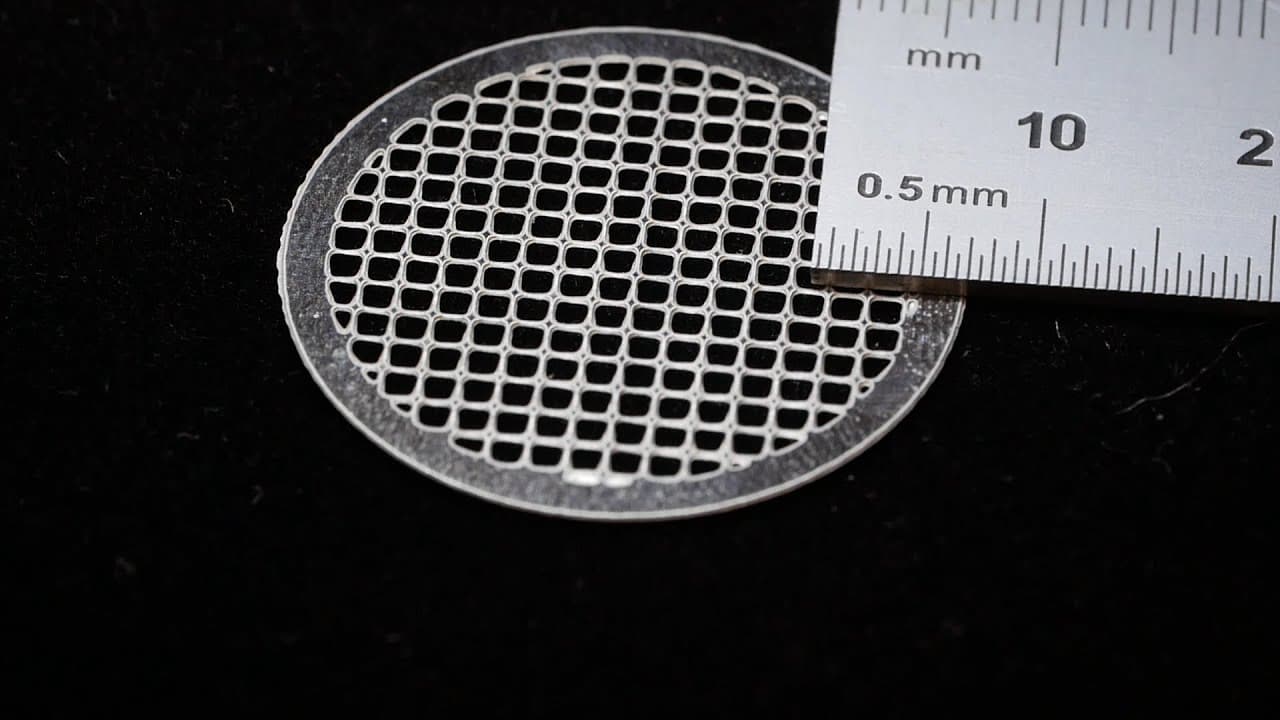
today on applied science I'd like to show you how to make these etched metal Parts sometimes you need a piece of sheet metal that has a feature cut into it that is too fine for a water jet or a laser cutter because it would distort the part or sometimes you just have too many holes to cut like in this mesh pattern here so you need a way of making t... Read More
Key Insights
- ⏳ Using a DIY etching process can significantly reduce costs and lead times for low-volume production or prototyping.
- 👻 Photochemical etching allows for the creation of intricate designs and custom patterns that cannot be achieved through traditional methods.
- 🥳 Automation of the artwork generation and parts finishing processes can further streamline the production process and enhance efficiency.
- 🗯️ Selecting the right materials, such as clean sheet metal and compatible plastics, is crucial to ensure optimal results.
- ❓ The DIY etching process requires attention to detail and experimentation to achieve desired outcomes.
- 🥳 When properly executed, DIY etched metal parts can meet quality standards and offer a cost-effective alternative to vendor services.
- 🥺 Continuous improvement and refinement of the DIY process can lead to potential business opportunities in providing custom etching services.
Install to Summarize YouTube Videos and Get Transcripts
Explore YouTube Video Summarizer or Get YouTube Transcript Extractor
Questions & Answers
Q: Why is it necessary to use the photochemical etching process for certain metal parts?
The photochemical etching process is needed when fine features or custom designs, such as mesh patterns, cannot be achieved through traditional methods like stamping or laser cutting.
Q: How does the DIY etching process compare to outsourcing to vendors?
DIY etching allows for cost savings and faster turnaround times, especially for low-volume production or prototyping, compared to expensive vendor services.
Q: How is the artwork generated for the etching process?
The artwork is created using inkjet printers and special transparencies designed to absorb maximum ink, resulting in higher contrast and accuracy compared to laser printers.
Q: What are the key advantages of automating the artwork generation and parts finishing processes?
Automation can speed up the design approval process, provide a more accurate representation of the final product, and save time for both businesses and customers by eliminating the need for back-and-forth communication.
Summary & Key Takeaways
-
The high cost and long lead times associated with outsourcing etched metal parts prompted the search for a DIY solution.
-
Photochemical etching allows for intricate designs and customizations that cannot be achieved through traditional methods, such as stamping or laser cutting.
-
Automating the artwork generation and parts finishing processes can further reduce costs and increase efficiency.
Read in Other Languages (beta)
Share This Summary 📚
Summarize YouTube Videos and Get Video Transcripts with 1-Click
Try YouTube Summary with ChatGPT & Claude or YouTube Transcript Generator
Explore More Summaries from Applied Science 📚
Summarize YouTube Videos and Get Video Transcripts with 1-Click
Try YouTube Summary with ChatGPT & Claude or YouTube Transcript Generator