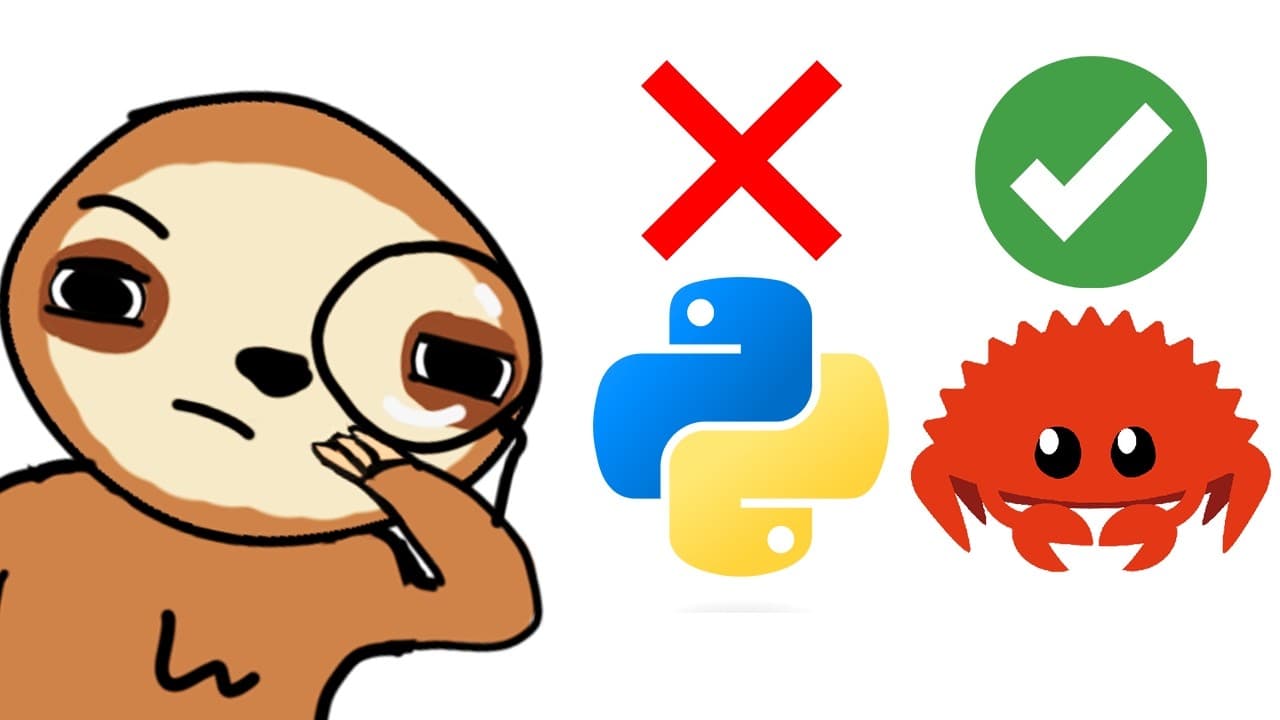
How to avoid 10 programming mistakes that ruin your life
TL;DR
Avoid skipping fundamentals, focus on readable code, and start small. The video lists common traps like overengineering, fearing to break things, and ignoring user perspective, plus practical fixes such as using version control, building MVPs, and documenting code for future maintainers.
Transcript
10 programming mistakes that'll ruin your life okay I'm being a little dramatic number one skipping the fundamentals wait is this for real people do this please don't skip the fundamentals look I get it you want to learn how to code be a cool kid automate your life get rich or be homeless replace humans with AI make goofy looking games whatever but... Read More
Key Insights
- Fundamentals must be learned before building complex features, otherwise developers struggle to explain simple concepts in interviews or projects.
- Readable code is preferred over clever one liners, as interviews and real codebases reward clarity and maintainability over short term cleverness.
- Experimentation with code should be done responsibly using version control and backups to prevent permanent damage when things break.
- Overengineering is a common trap that wastes time and hides real problems, with advice to resist complex architectures for personal projects unless truly needed.
- Users are not developers, so interfaces must be designed with non technical users in mind to avoid confusion and poor adoption.
- Starting too big leads to burnout and abandoned projects; building small, testable MVPs helps maintain momentum and fosters achievable progress.
- Documentation and comments are essential; code without explanation becomes a maintenance burden and reasons for long term failure, while well documented code accelerates learning for others.
- A disciplined approach to learning, including avoiding excessive fear of breaking things and embracing a measured risk mindset, accelerates real world skill growth.
Install to Summarize YouTube Videos and Get Transcripts
Explore YouTube Video Summarizer or Get YouTube Transcript Extractor
Questions & Answers
Q: How to start learning programming without skipping fundamentals
Begin with core concepts like variables, loops, and functions, and practice implementing small projects that reinforce each concept. Build a simple program end to end, then incrementally add features. Use version control to track changes and enable easy rollbacks. This approach creates a solid foundation for more advanced topics and reduces frustration during interviews.
Q: What makes readable code more valuable than clever solutions
Readable code communicates intent clearly, making it easier for others to review, maintain, and extend. Prefer descriptive names, straightforward logic, and well structured functions over compact one liners. In interviews, readable code demonstrates your ability to reason about problems and collaborate effectively, which matters as much as correctness.
Q: How should you handle breaking things when learning to code
Adopt safe experimentation practices such as using a dedicated branch, writing tests, and keeping backups. Treat breaking changes as learning opportunities, then revert if needed. This mindset accelerates skill development while preserving work, and version control becomes a reliable safety net during rapid experimentation.
Q: Why avoid overengineering in personal projects
Overengineering wastes time on complex systems for problems that do not require them. Start with a minimal viable product that solves one core problem well. Add features only after validating demand and learning from real usage, which keeps motivation high and reduces maintenance burden.
Q: How to design for non developers in software projects
Assume end users are not developers and design intuitive interfaces. Simplify navigation, avoid jargon, and provide clear feedback. Testing with non technical users helps reveal usability gaps early, ensuring the product meets real world needs and reduces support requests.
Q: What is MVP and why is it useful
MVP stands for minimum viable product, a version of an app that delivers a single core value reliably. It helps you test assumptions with minimal risk, iterate based on real feedback, and avoid building features that do not prove themselves valuable to users.
Q: Why is documentation critical in programming
Documentation explains why code exists and how to use it, enabling future developers to understand intent without reverse engineering. Include a README that outlines purpose, usage, and examples, and write comments that justify design decisions rather than restate what the code already does.
Q: What role does user testing play in coding practice
User testing reveals how real people interact with your product, exposing confusing flows and unmet needs. It guides prioritization, helps avoid feature creep, and validates whether the MVP delivers tangible value. Regular testing should accompany development to ensure usability and usefulness over time.
Summary & Key Takeaways
-
The video emphasizes mastering core concepts before attempting complex projects, arguing that skipping fundamentals leads to confusion and poor career outcomes. It also warns against writing clever code at the expense of readability and stresses the value of gradual learning through experimentation with proper safeguards.
-
Audience-focused design is highlighted, reminding developers that many users do not share technical knowledge, so interfaces must be intuitive and accessible even to non developers. This shifts the focus from code elegance to user experience and clarity.
-
A practical approach is advocated, encouraging small, incremental builds (MVPs) and avoiding feature creep. The speaker also discusses the importance of version control, testing, and documentation to support long term maintainability and effective collaboration.
Read in Other Languages (beta)
Share This Summary 📚
Summarize YouTube Videos and Get Video Transcripts with 1-Click
Try YouTube Summary with ChatGPT & Claude or YouTube Transcript Generator
Explore More Summaries from The Coding Sloth 📚
Summarize YouTube Videos and Get Video Transcripts with 1-Click
Try YouTube Summary with ChatGPT & Claude or YouTube Transcript Generator