How did Louis Kahn blend tradition with modernism
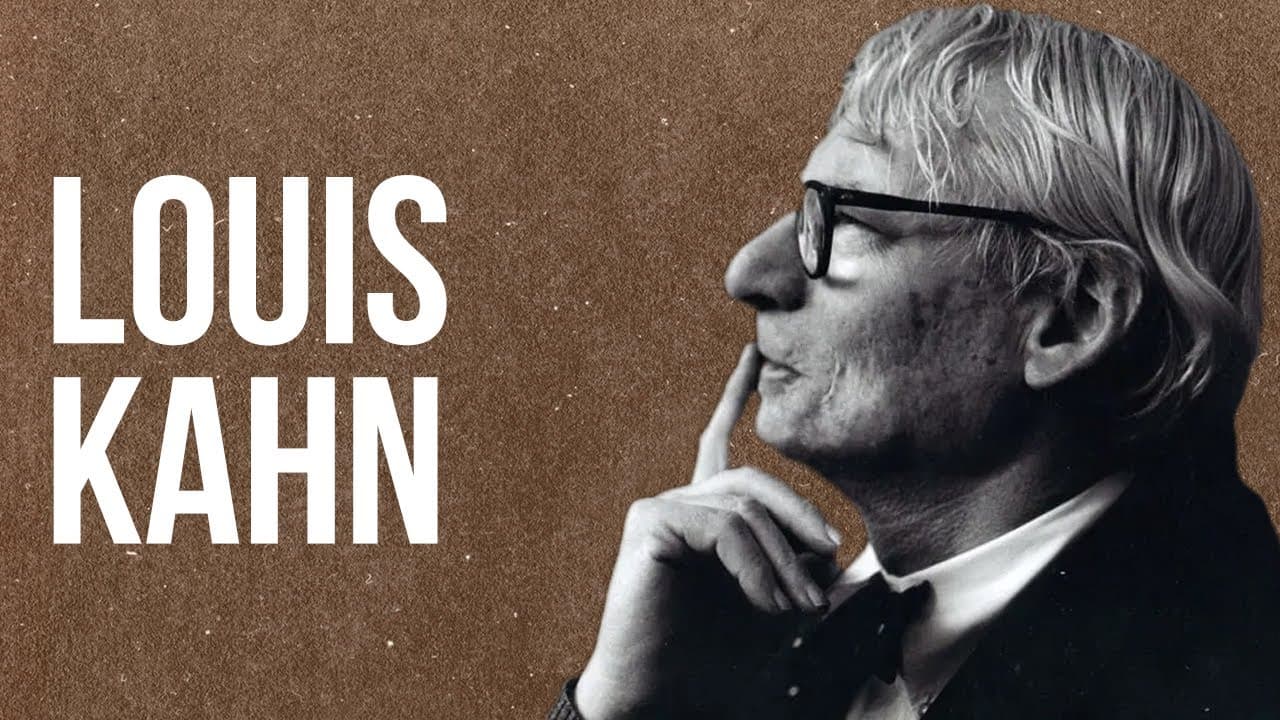
TL;DR
Kahn revived traditional elements within modernist design by using symmetry, monumental scale, and a mix of old and new materials. He favored warmth from oak and brick alongside the strength of concrete and stone, creating buildings that feel both timeless and monumental. His work argues for architecture that endures rather than merely shocks.
Transcript
For thousands of years, the most common building materials have been stone, brick and wood. They have also been the most charming, ageing beautifully and suggesting a special kind of nobility and strength. When modernist architecture was born in the early 20th century, traditional materials quickly gave way to the three quintessential modern ingred... Read More
Key Insights
- Kahn uses symmetry not as a mere aesthetic choice but as a deliberate tool to provide balance, focus, and momentum.
- He believes architecture can dialogue with past predecessors while retaining modern clarity and innovation.
- Traditional materials are reintroduced into modern works to create warmth and structural sense, not nostalgia.
- Monumentality in Kahn’s work is pursued through massing, proportion, and light, elevating everyday spaces.
- He rejects the notion that modernization must discard historic ideas, choosing instead to integrate them thoughtfully.
- The Beaux-Arts influence appears in the Salk Institute’s symmetrical layout and central fountain alignment with the sun on equinoxes.
- Kahn’s approach often pairs contrasting materials like oak and concrete to reveal their complementary virtues.
- His ultimate goal is buildings that feel monumental and enduring, aiming for a sense of eternity rather than transient novelty.
- More videos from this channel:
- More from this channel: The School of Life
Install to Summarize YouTube Videos and Get Transcripts
Explore YouTube Video Summarizer or Get YouTube Transcript Extractor
Questions & Answers
Q: What is Louis Kahn’s approach to combining old and new materials in architecture?
Louis Kahn treats traditional materials such as brick and oak as essential elements of a modern vocabulary, not relics. He juxtaposes them with concrete and metal to create spaces that feel warm and human while still conveying strength and clarity. This combination aims to bridge centuries of building craft, delivering both comfort and monumentality.
Q: How does symmetry function in Kahn’s architecture according to the transcript?
Symmetry for Kahn is a deliberate design tool that provides balance, focus, and momentum within a composition. He uses identical rows of buildings and central alignments, similar to Beaux-Arts planning, to guide the viewer’s eye and create a commanding, cohesive space that feels monumental rather than static.
Q: What buildings illustrate Kahn’s use of symmetry and monumental feel?
The Salk Institute in La Jolla is highlighted as an example where symmetry and a central fountain create a powerful axial focus. The Yale Centre for British Art also demonstrates how vertical space, light, and organized geometry evoke a cathedral-like grandeur within a modern framework, showcasing Kahn’s monumental sensibility.
Q: Why did Kahn embrace Beaux-Arts elements, despite critiques from contemporary modernism?
Kahn believed that architectural authority and beauty could be expressed without surrendering modern innovation. He felt free to borrow from Beaux-Arts structure to achieve balance and grandeur, arguing that such approaches could coexist with democratic and forward-looking aims rather than being purely nostalgic.
Q: What role do older and newer materials play in Kahn’s work?
Kahn deliberately juxtaposes older materials like oak with newer ones like concrete to highlight their contrasting yet complementary qualities. The warmth and domestic feel of wood contrast with the material strength of concrete, signaling a reconciliation between tradition and modernity and suggesting a lasting, timeless quality in architecture.
Q: Which projects are cited as emblematic of Kahn’s monumental architecture?
The National Assembly in Dhaka and the Kimbell Art Museum in Texas are cited as key works where Kahn achieves monumental scale and a sense of timeless grandeur. These projects demonstrate his goal of creating buildings that feel enduring, almost cathedral-like, rather than transient modernist statements.
Q: What did Kahn mean by monuments in the context of modern architecture?
Kahn aimed to make buildings feel like monuments in a time when many modernists rejected monumentality as authoritarian. He believed a building could carry a sense of grandeur and permanence, while still reflecting democratic values and contemporary design, thus reconciling the old with the new.
Q: How did Rome influence Kahn’s architectural philosophy?
A transformative trip to Rome inspired Kahn to value the beauty of classical urban and architectural forms, leading him to a philosophy where ancient elements could inform future works. He concluded that architectural dialogue with his illustrious predecessors would enrich modern design and help him achieve enduring quality.
Summary & Key Takeaways
-
Kahn sought to reconcile old and new by incorporating traditional materials with modern forms, creating a dialogue between centuries of building culture. His work demonstrates how symmetry and proportion can produce power and focus without sacrificing clarity. He believed architecture should feel like a monument while remaining democratic and accessible.
-
Kahn used a variety of materials beyond steel, concrete, and glass, including brick, oak, and copper, to evoke warmth, texture, and human scale. This juxtaposition of materials highlights a deliberate strategy to merge comfort with strength, encouraging a sense of continuity with the past.
-
His most substantial projects, like the National Assembly in Dhaka and the Kimbell Art Museum, showcase sculptural massing and light that elevate spaces to cathedral-like experiences. He aimed for a timeless grandeur, not flashy modernism, that could endure for centuries.
Read in Other Languages (beta)
Share This Summary 📚
Summarize YouTube Videos and Get Video Transcripts with 1-Click
Try YouTube Summary with ChatGPT & Claude or YouTube Transcript Generator