How to Master Emotional Control with Stoicism
TL;DR
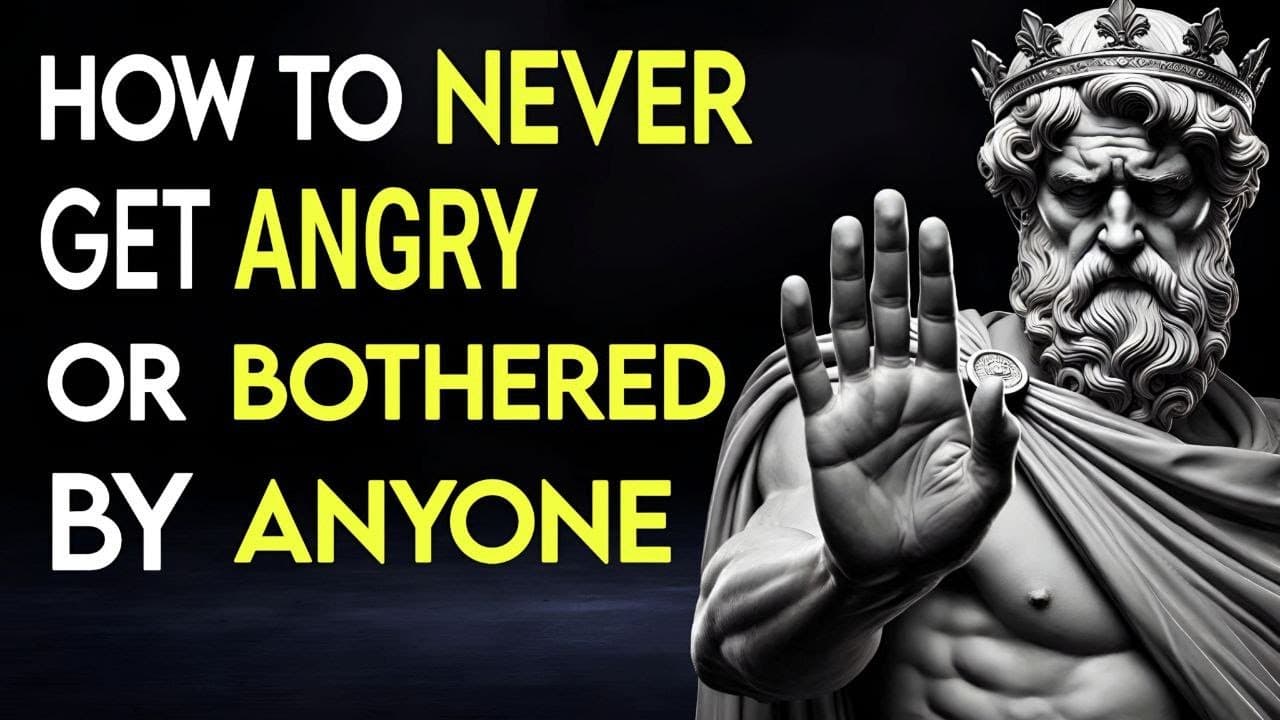
Emotional mastery is about choosing how to react to life's challenges with clarity and strength. By understanding that your reactions are your choice, setting boundaries, and letting go of the need for external validation, you can protect your peace and live unbothered. These strategies, inspired by Stoicism, offer practical ways to stay calm and centered.
Transcript
have you ever felt like someone's words or actions ruined your entire day maybe it was a rude comment a thoughtless gesture or even just an unexpected inconvenience it's frustrating isn't it but here's the truth no one has the power to control your emotions unless you let them what if you could stay calm and unshaken no matter what life or anyone e... Read More
Key Insights
- Emotional reactions are a choice; no one can control your feelings without your consent.
- Setting boundaries is essential for protecting your energy and maintaining emotional well-being.
- Letting go of the need to be right can preserve peace and reduce unnecessary conflict.
- Criticism, when reframed, can be a tool for growth rather than a source of frustration.
- Practicing gratitude can dissolve anger and shift focus to positive aspects of life.
- Silence can be a powerful response to negativity, preserving peace and avoiding escalation.
- Detaching from others' opinions allows you to live authentically and maintain self-worth.
- Letting go of grudges and resentment frees you from emotional burdens and promotes inner peace.
Install to Summarize YouTube Videos and Get Transcripts
Explore YouTube Video Summarizer or Get YouTube Transcript Extractor
Questions & Answers
Q: How to control emotional reactions?
Controlling emotional reactions involves recognizing that your feelings are your responsibility. By pausing before reacting, reflecting on the situation, and choosing a response aligned with your values, you can maintain calm and clarity. This approach empowers you to navigate challenges without letting external events dictate your emotions.
Q: Why is setting boundaries important?
Setting boundaries is important because it protects your energy and emotional well-being. Without clear limits, others may inadvertently overstep, leading to burnout and resentment. Boundaries ensure that your needs are respected, allowing you to maintain healthy relationships and focus on personal priorities.
Q: How can gratitude help manage anger?
Gratitude helps manage anger by shifting focus from negative to positive aspects of life. When you practice gratitude, you activate a mental reset, replacing anger with appreciation for what is going well. This shift in perspective can dissolve frustration and promote a sense of peace and contentment.
Q: What is the benefit of responding with silence?
Responding with silence to negativity can preserve your peace and prevent escalation. Silence allows you to maintain composure and deny others the reaction they seek. It demonstrates strength and self-control, showing that your emotional state is not dictated by external provocations.
Q: How to detach from others' opinions?
Detaching from others' opinions involves recognizing that your worth is intrinsic and not tied to external validation. By questioning the importance of others' views and reaffirming your values, you can focus on what truly matters to you. This detachment allows you to live authentically and confidently.
Q: What does letting go mean in emotional mastery?
In emotional mastery, letting go means releasing emotional burdens like anger, grudges, and resentment. It involves freeing yourself from the control of past events and focusing on the present. By letting go, you reclaim your energy and peace, enabling you to live a more fulfilling and balanced life.
Q: How to reframe criticism as a growth tool?
Reframing criticism as a growth tool involves viewing it as an opportunity to improve rather than an attack. By evaluating the source, finding the lesson, and focusing on constructive feedback, you can use criticism to identify blind spots and enhance your skills, turning potential negativity into personal development.
Q: What role does Stoicism play in emotional control?
Stoicism plays a significant role in emotional control by teaching that your reactions are within your power. Stoic principles encourage self-reflection, resilience, and letting go of what you cannot control. By applying Stoic wisdom, you can cultivate a mindset that prioritizes peace, clarity, and strength in the face of life's challenges.
Summary & Key Takeaways
-
Emotional reactions are personal choices. By recognizing this, you can choose calm over chaos, maintaining control over your emotions despite external provocations.
-
Setting boundaries is crucial for protecting your energy. By clearly communicating limits, you ensure relationships remain healthy and respectful.
-
Practicing gratitude and reframing criticism as growth opportunities can transform negative experiences into positive learning moments.
Read in Other Languages (beta)
Share This Summary 📚
Summarize YouTube Videos and Get Video Transcripts with 1-Click
Try YouTube Summary with ChatGPT & Claude or YouTube Transcript Generator
Explore More Summaries from Stoic Saga 📚




Summarize YouTube Videos and Get Video Transcripts with 1-Click
Try YouTube Summary with ChatGPT & Claude or YouTube Transcript Generator