How to Build Self-Love and Lasting Self-Worth
TL;DR
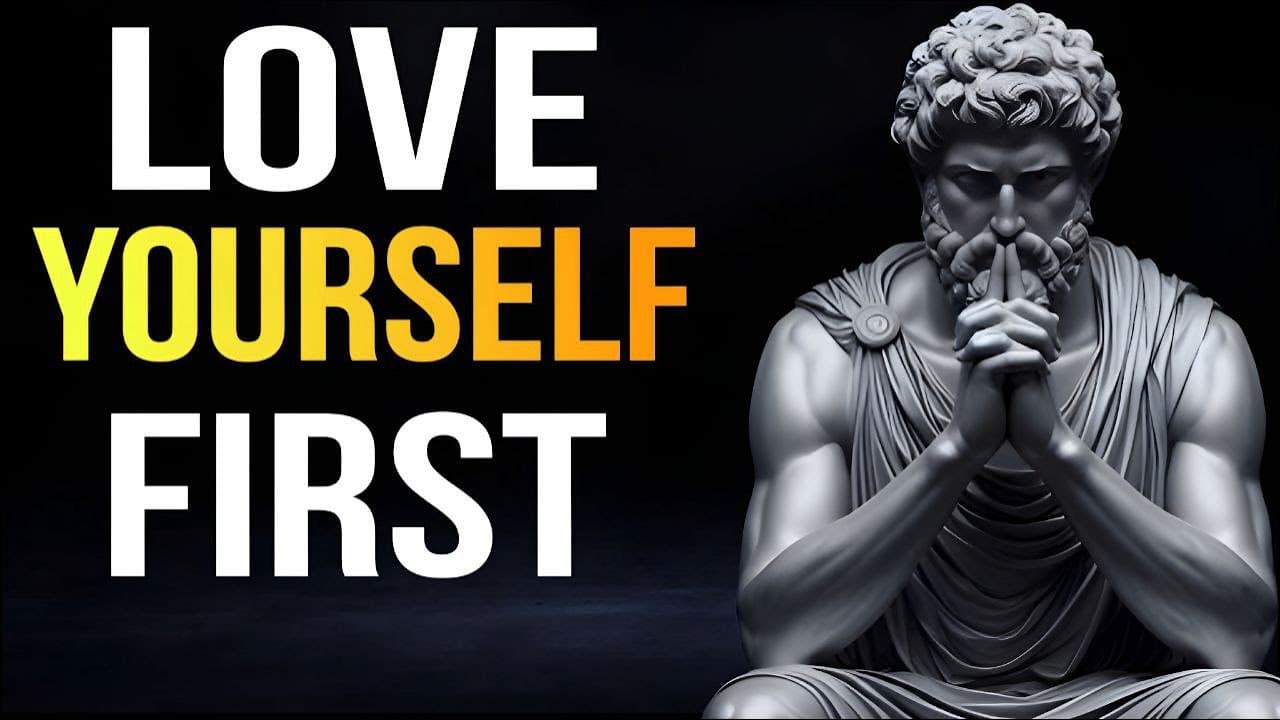
Self-love grows through kind self-talk, kept promises, clear boundaries, intentional solitude, and self-forgiveness. These practices build self-respect and make happiness less dependent on approval, achievements, possessions, or relationships. Protecting your energy and accepting that some people may feel disappointed can help you stop abandoning your own needs.
Transcript
When was the last time you looked in the mirror and actually liked the person staring back at you? Not just your appearance, but your choices, your habits, your life. Too many people can't answer that question honestly. And that's why they feel empty, no matter how much love they get from others. Here's the hard truth. The most important relationsh... Read More
Key Insights
- Self-love is a relationship built deliberately through effort, attention, and consistency. It does not automatically appear when circumstances improve, and it requires treating yourself with the listening, patience, respect, and forgiveness that you would normally offer to someone you deeply care about.
- Self-talk shapes self-perception because the mind absorbs repeated language. Replacing insults and absolute judgments with statements about learning, improvement, and becoming can interrupt the habit of replaying failures and holding yourself to standards you would never impose on someone you love.
- Self-respect grows when you keep promises to yourself. Small commitments, such as getting up when planned, completing a task, exercising, leaving a toxic connection, or honoring a boundary, demonstrate reliability and rebuild the personal trust weakened by repeatedly abandoning your own decisions.
- Intentional solitude helps you understand yourself without distraction. Walking without headphones, eating alone, sitting quietly, and asking what you genuinely want can reveal thoughts and needs that endless scrolling or constant noise may conceal, making self-knowledge and self-acceptance more possible.
- Self-forgiveness creates room for growth instead of prolonged guilt. Forgiving yourself does not require pretending that a mistake was acceptable. It means deciding that the mistake will no longer control your identity, choices, or ability to move forward with greater awareness.
- Stable happiness is rooted in self-love rather than external validation. Promotions, relationships, possessions, and recognition may create excitement, but their emotional effect can fade. Valuing yourself provides inner stability when circumstances change and reduces the need for permission to appreciate your life.
- Boundaries teach other people how to treat you while protecting your time, energy, and peace. They are adjustable doors rather than permanent walls, allowing you to decide what is healthy instead of giving beyond your capacity until you feel exhausted, resentful, or disconnected.
- Boundary guilt is evidence of discomfort with a new pattern, not automatic evidence of wrongdoing. People conditioned to measure worth by how much they give may feel selfish when protecting themselves, but healthy limits allow them to offer care without constant depletion or resentment.
Install to Summarize YouTube Videos and Get Transcripts
Explore YouTube Video Summarizer or Get YouTube Transcript Extractor
Questions & Answers
Q: How can I build a loving relationship with myself?
Build that relationship through repeated acts of care, respect, patience, and reliability. Speak to yourself as you would speak to someone you love, keep small promises, spend intentional time alone, and forgive mistakes without denying responsibility. These practices help you trust yourself, understand what you genuinely want, and stop depending entirely on other people to confirm your worth.
Q: How does self-talk affect self-worth?
Self-talk influences how you interpret your identity, mistakes, and potential because your mind responds to the language you repeatedly use. Harsh labels can reinforce shame and inadequacy. More constructive phrases, such as recognizing that you are learning or still becoming the person you want to be, acknowledge imperfection without turning one failure into a permanent judgment about your value.
Q: Why does keeping promises to yourself matter?
Keeping promises to yourself builds trust in much the same way that reliability strengthens any relationship. Repeatedly skipping commitments or abandoning boundaries weakens self-respect. Following through on small decisions, including getting up as planned, completing a task, exercising, or limiting contact with someone toxic, shows that your needs and choices deserve consistent action rather than empty intentions.
Q: Why is self-love important for lasting happiness?
Self-love makes happiness less dependent on achievements, possessions, relationships, recognition, or approval. External sources can provide excitement, but they change and their emotional effect can fade. When you value yourself independently of those conditions, you can experience good moments without clinging to them and face difficult periods without allowing circumstances to erase your sense of worth.
Q: How can I set boundaries without feeling guilty?
Recognize that guilt may reflect an old habit rather than an ethical mistake. If you learned that your value depends on pleasing people or constantly giving, protecting your time and energy can initially feel selfish. Treat boundaries as doors you control, communicate what is healthy for you, and accept that self-respect sometimes requires disappointing someone who expected unlimited access.
Q: Why is saying no necessary for protecting your energy?
Saying no prevents you from giving more time, attention, or effort than you can handle. Constant availability can produce exhaustion, resentment, and disconnection from your own needs, while also encouraging others to take your contributions for granted. A clear refusal protects your capacity and allows future care to come from willingness rather than pressure, guilt, or emotional depletion.
Q: How can spending time alone strengthen self-love?
Intentional solitude gives you space to notice your thoughts, needs, and goals without constant distraction. Walking without headphones, eating by yourself, or sitting quietly can feel uncomfortable because there is nowhere to hide from your inner experience. That discomfort can still be useful, since knowing yourself more honestly is necessary for building acceptance, trust, and genuine companionship with yourself.
Q: How can I forgive myself and move forward?
Self-forgiveness begins by acknowledging a mistake without allowing it to control your identity indefinitely. It does not mean claiming that harmful or unwise behavior was acceptable. It means releasing repeated self-punishment so that guilt can give way to growth. By focusing on what you are learning and how you will act differently, you create space for constructive change.
Summary & Key Takeaways
-
A loving relationship with yourself requires the same patience, respect, attention, and forgiveness you would offer someone important to you. Changing harsh inner language, keeping small commitments, spending intentional time alone, and releasing punishment for past mistakes gradually create trust, confidence, and a stronger sense of personal worth.
-
Self-love provides a stable foundation for happiness because external achievements, possessions, and relationships inevitably change. When worth no longer depends on performance, appearance, approval, or pleasing others, joy becomes more sustainable. Relationships and work can then reflect personal values instead of emotional need, desperation, or constant pursuit of recognition.
-
Boundaries protect time, energy, peace, and personal identity. Guilt after saying no does not necessarily indicate wrongdoing. It can signal that an old pattern of excessive giving is being challenged. Accepting that self-respect may disappoint others allows care to come from a healthier place instead of exhaustion and resentment.
Read in Other Languages (beta)
Share This Summary 📚
Summarize YouTube Videos and Get Video Transcripts with 1-Click
Try YouTube Summary with ChatGPT & Claude or YouTube Transcript Generator
Explore More Summaries from Stoic Saga 📚





Summarize YouTube Videos and Get Video Transcripts with 1-Click
Try YouTube Summary with ChatGPT & Claude or YouTube Transcript Generator