How to Stay Calm When Someone Disrespects You
TL;DR
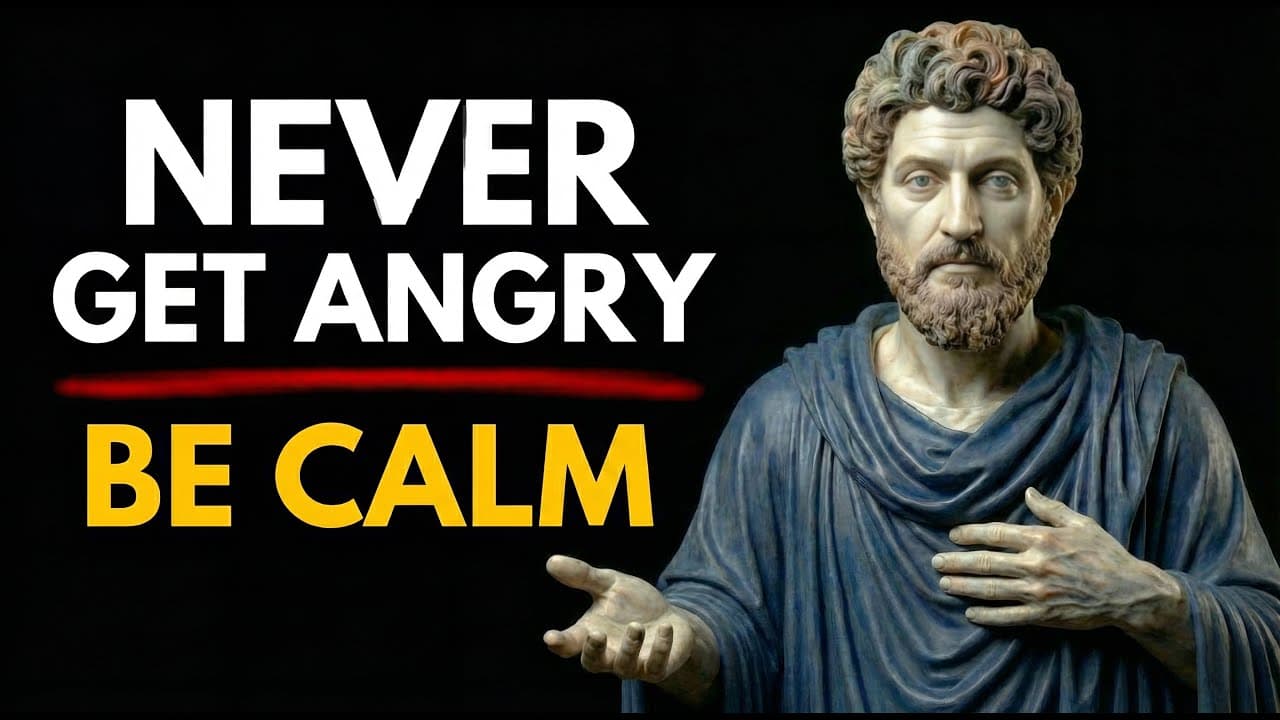
Anger loses its grip when you treat an insult as sound plus your own interpretation, not as an injury that demands retaliation. Notice the amygdala-driven surge, restore deliberate thinking, examine the insecurity the remark touches, and view the attacker’s behavior as evidence of their internal disorder. Calm silence protects your freedom by refusing to give another person control over your emotions.
Transcript
You think you are free, but let me ask you a dangerous question. If a stranger on the street can ruin your day with one sentence, are you truly free? Or are you a slave? Most men go through life thinking that strength is about fighting back. They believe that if someone disrespects them, they must attack. They must defend their honor. They must sho... Read More
Key Insights
- Emotional dependence is present when a stranger can ruin your day with a sentence, because their words then control your mood and behavior. Stoic freedom requires keeping authority over your response instead of surrendering it through rage, shouting, or impulsive retaliation.
- Reactive aggression is weakness disguised as strength because losing your temper gives the attacker influence over your attention, biology, and actions. The video presents composure as the stronger response, since it preserves judgment and refuses to validate the attempted provocation.
- An amygdala hijack is the brain’s alarm response to a perceived threat, including a threat to social status. The video says it can trigger cortisol and adrenaline, raise the heart rate, tense the muscles, narrow vision, and disrupt access to the prefrontal cortex.
- The goal of Stoic emotional control is to restore reason quickly after the initial biological alarm, not to pretend that the alarm never fires. Recognizing rising heat as a temporary chemical reaction helps separate the body’s response from the judgment that retaliation is necessary.
- Disrespect is often presented as a confession of the attacker’s pain, jealousy, insecurity, or lack of control. Viewing hostile conduct as the noise of a malfunctioning machine changes the response from personal outrage toward detachment or pity.
- An insult hurts when it touches an insecurity that already exists, according to the video’s discussion of shadow work. A statement known to be completely false creates little friction, while an accusation that awakens self-doubt reveals an area requiring honest examination.
- Interpretation is the source of emotional pain because spoken insults are physically sound waves until the listener adds judgments such as unfairness or the need for self-defense. The insult acts as a spark, but internal dialogue supplies the gasoline that produces sustained anger.
- Stoic indifference is illustrated by Cato’s claim that he did not remember being hit and Socrates’ comparison of a rude attacker to a kicking donkey. Both stories present offensive behavior as too irrelevant or natural to the offender’s character to deserve retaliation.
Install to Summarize YouTube Videos and Get Transcripts
Explore YouTube Video Summarizer or Get YouTube Transcript Extractor
Questions & Answers
Q: How can you stay calm when someone disrespects you?
Treat the insult as an external event that does not automatically determine your response. Notice the physical surge of anger, identify it as an amygdala-driven alarm, and allow the prefrontal cortex to regain control before speaking or acting. Then separate the words from the interpretation you added. Calm silence preserves your freedom because it denies the attacker control over your mood, judgment, and behavior.
Q: Why does disrespect trigger such intense anger?
Disrespect can be perceived as a threat to status, causing the amygdala to activate the body’s survival response. According to the video, cortisol and adrenaline enter the system, the heart rate rises, muscles tighten, vision narrows, and logical thinking weakens. The reaction becomes stronger when the insult also touches an existing insecurity or is interpreted as unfair treatment that must be answered immediately.
Q: What is an amygdala hijack during an argument?
An amygdala hijack is the alarm response that occurs when the brain interprets an insult as a threat. The video contrasts the amygdala, which handles fear, aggression, and survival, with the prefrontal cortex, which supports logic, reason, planning, and philosophy. During the hijack, emotional and physical reactions dominate while access to careful judgment is reduced, increasing the likelihood of regrettable words or actions.
Q: How does Stoicism help control anger after an insult?
Stoicism helps by separating an event from the judgment placed upon it. The initial biological alarm may still occur, but the aim is to reconnect with reason as quickly as possible and shorten the period of impaired judgment. By treating an insult as words rather than an injury, and by refusing to add stories about honor or required retaliation, a person can preserve deliberate control.
Q: Why does an insult hurt more when it touches an insecurity?
An insult creates more emotional friction when part of the listener fears it may be true. The video illustrates this by contrasting meaningful accusations with being called a green elephant, a claim that would likely seem absurd because it has no connection to reality. Anger can therefore reveal a vulnerable area of self-image, allowing the insult to serve as information about what needs honest examination or improvement.
Q: What does it mean that every insult is a confession?
The phrase means that hostile behavior can reveal the attacker’s internal condition more clearly than it describes the target. The video associates insults with pain, jealousy, insecurity, weakness, or lack of control. Reframing disrespect this way makes it less personal. Instead of treating the attacker as a powerful enemy, the listener can see the behavior as a symptom of internal chaos and avoid absorbing it.
Q: Why is silence powerful when responding to disrespect?
Silence is powerful because it withholds the emotional reaction the attacker may be trying to provoke. Shouting or retaliating confirms that the words gained control over your attention and biology, while silence allows time for reason to return. In the video’s Stoic framework, refusing to react is not passive weakness. It is the deliberate protection of judgment, emotional independence, and personal freedom.
Q: What do the stories of Cato and Socrates teach about insults?
Cato’s story presents an insult as too insignificant to preserve in memory. After being struck publicly, he reportedly told the apologetic attacker that he did not remember being hit. Socrates similarly kept walking after being kicked and compared retaliation to taking a donkey to court. Both examples teach that composure comes from denying offensive behavior the importance required to disturb character or command revenge.
Summary & Key Takeaways
-
Emotional freedom means preventing another person’s words from controlling your mood and behavior. The video contrasts reactive aggression with Stoic composure, arguing that shouting, retaliation, and impulsive self-defense surrender control. Genuine strength comes from recognizing the reaction, withholding judgment, and refusing to make an insult important to your character.
-
The video describes anger as an amygdala hijack involving a perceived threat to status, a surge of cortisol and adrenaline, physical tension, narrowed attention, and weakened access to logical thinking. Stoic practice aims to reconnect with the prefrontal cortex quickly, shorten the reactive period, and treat the sensation as temporary biology.
-
Disrespect is reframed as an expression of the attacker’s insecurity, pain, jealousy, or lack of control. An insult hurts when personal interpretation supplies the meaning or when it touches an existing insecurity. The stories of Cato and Socrates illustrate composure through refusing to treat offensive conduct as worthy of retaliation or lasting attention.
Read in Other Languages (beta)
Share This Summary 📚
Summarize YouTube Videos and Get Video Transcripts with 1-Click
Try YouTube Summary with ChatGPT & Claude or YouTube Transcript Generator
Explore More Summaries from Stoic Saga 📚


Summarize YouTube Videos and Get Video Transcripts with 1-Click
Try YouTube Summary with ChatGPT & Claude or YouTube Transcript Generator