Who is winning the battle for Congress in 30 days
TL;DR
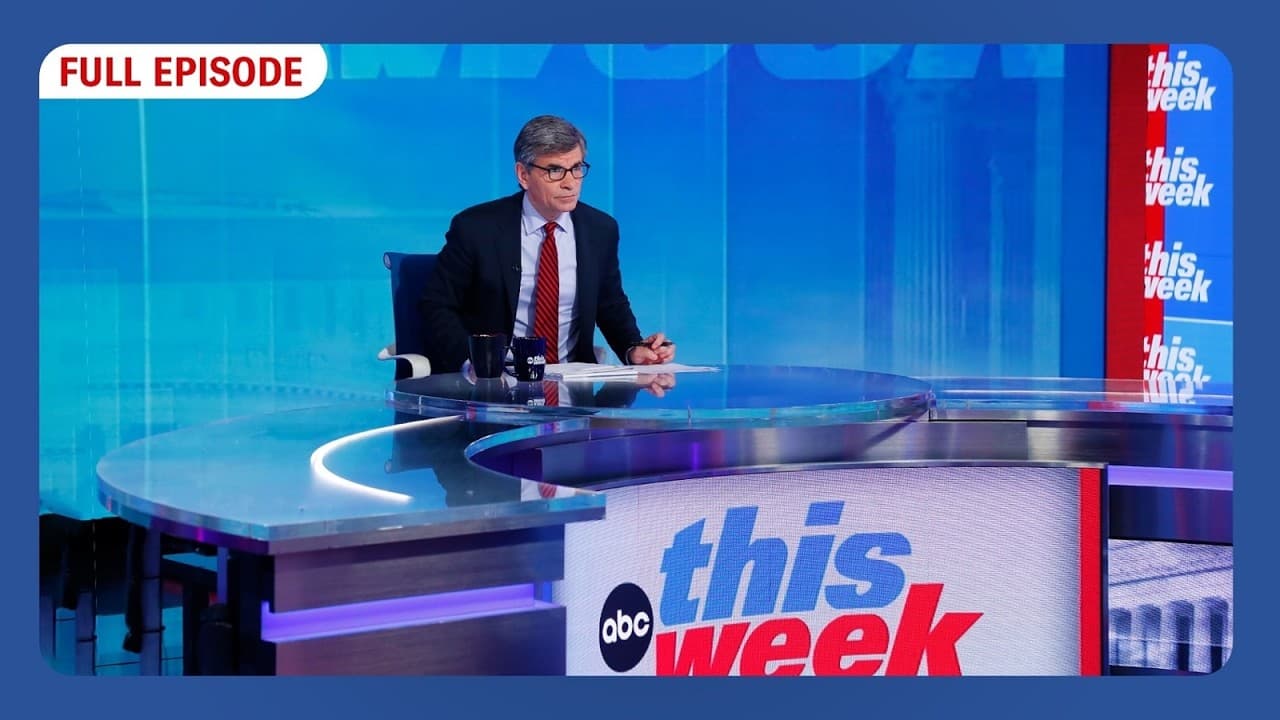
With 30 days to go, control of the House and Senate is still up for grabs and the map is unclear. The discussion includes taxpayer funded ads tied to President Trump that have drawn scrutiny, and a ruling on AI behavior promises to shape policy. The balance of power depends on turnout and district dynamics.
Transcript
CHANGES LIVES. >> THIS WEEK WITH GEORGE STEPHANOPOULOS STARTS RIGHT NOW. >> MIDTERM MONTH. >> 30 DAYS OUT. PRESIDENT TRUMP RALLYING DEEP RED STATES. >> WE NEED THE VOTES. AND I'M HERE FOR THAT. PRETEND I'M RUNNING, PLEASE. >> DIVERTING HOMELAND SECURITY SPENDING TO PRO-TRUMP TV ADS. >> YOU KNOW, IT'S NOT HOW WE SHOULD BE SPENDING TAXPAYE... Read More
Key Insights
- The 30-day window creates a high-stakes environment for predicting House and Senate control.
- Taxpayer funded political ads are a flashpoint that lawmakers and commentators scrutinize for legality and ethics.
- The White House defends the ads as public service announcements, while critics call them illegal political campaigning.
- Midterm dynamics, including prior approval ratings and economic perceptions, influence competitive races in multiple states.
- Redistricting has reshaped the playing field, affecting seat-by-seat chances for both parties.
- Analysts highlight strong opportunities in selective states while warning about deep red regions that remain difficult for Democrats.
- AI policy and self-regulation are presented as a major topic, with leaders weighing how to police industry behavior.
- Turnout, especially among low propensity and independent voters, is identified as a critical determinant of outcomes.
Install to Summarize YouTube Videos and Get Transcripts
Explore YouTube Video Summarizer or Get YouTube Transcript Extractor
Questions & Answers
Q: How does the show describe the current race for Congress with 30 days left?
The program describes the race as highly competitive with the balance of power still in flux. It notes that the House and Senate standings depend on turnout and district dynamics, with forecasts suggesting possible gains for either party. The discussion emphasizes the volatility of midterm elections and the impact of campaign strategy on final results.
Q: What is controversial about the taxpayer funded ads mentioned?
The ads are funded with taxpayer dollars and are described as political in nature, prompting objections from Democrats and some Republicans who claim they violate federal law by using public funds for campaign purposes. The White House defends them as public service announcements, which has intensified the debate over legality and ethics.
Q: What does the transcript say about AI policy during this broadcast?
AI policy is presented as a major topic of discussion, with attention on whether AI titans can police their own behavior and if a binding framework is morally binding. The segment suggests lawmakers and experts are weighing whether voluntary self-regulation is sufficient or if stronger oversight is needed to prevent existential risks.
Q: How are warnings about the midterms framed in relation to President Trump?
The coverage frames warnings about the midterms around his campaign activity, including deep red state campaigning and the use of government resources to support messaging. It describes the tension between promoting policy outcomes and concerns about turning the election into a referendum on Trump personally.
Q: What is said about state race dynamics and redistricting?
The discussion highlights that redistricting has created a mix of advantaged and disadvantaged districts, making the House outlook uncertain. Analysts estimate ranges of seats shifting to Republicans or Democrats, depending on local race conditions, turnout, and how districts respond to national political trends.
Q: What role does turnout play according to the experts?
Turnout, especially among low propensity voters and independents, is identified as the key factor that could swing close races. The analysts emphasize expanding reach and mobilization efforts to capture these voters, which could determine whether Democrats or Republicans gain ground in tight contests.
Q: What concerns are raised about campaign financing in the roundtable?
The roundtable discusses the vast, potentially untraceable money flowing into political ads, cautioning that dark money could distort the electoral landscape. This concern centers on transparency, accountability, and the ability of voters to discern who funds political messaging.
Q: What is the general takeaway about the final month before the election?
A central takeaway is that the final month will hinge on turnout, messaging strategies, and how issues like government spending and AI policy resonate with voters. The broadcast underlines that outcomes remain uncertain until the last ballots are counted, with several paths to control for both parties.
Summary & Key Takeaways
-
With 30 days left, the race for control of Congress remains highly competitive, with Republicans and Democrats each holding chances to gain seats depending on turnout and district dynamics. The segment also highlights controversy over government funded political ads and the ongoing debate over AI regulation and accountability.
-
The analysis covers the likelihood of Republicans retaining control of the House and Democrats pursuing Senate gains, noting the impact of redistricting and midterm dynamics on forecasted outcomes. It also discusses the use of taxpayer money for political messaging and calls for regulatory scrutiny.
-
The program closes by examining how external factors like campaign finance and technology policy will influence the final push to election day and the broader implications for governance and public trust.
Read in Other Languages (beta)
Share This Summary 📚
Summarize YouTube Videos and Get Video Transcripts with 1-Click
Try YouTube Summary with ChatGPT & Claude or YouTube Transcript Generator
Explore More Summaries from ABC News 📚
Summarize YouTube Videos and Get Video Transcripts with 1-Click
Try YouTube Summary with ChatGPT & Claude or YouTube Transcript Generator