What Challenges Do Women Face in Science Careers?
TL;DR
Women in science face significant barriers, including biases that undermine their confidence and self-worth, as well as societal pressures to prioritize family over career. Creating a more equitable and inclusive environment, alongside increasing representation and mentorship, is crucial for enabling women to fully express their talents and succeed in scientific fields.
Transcript
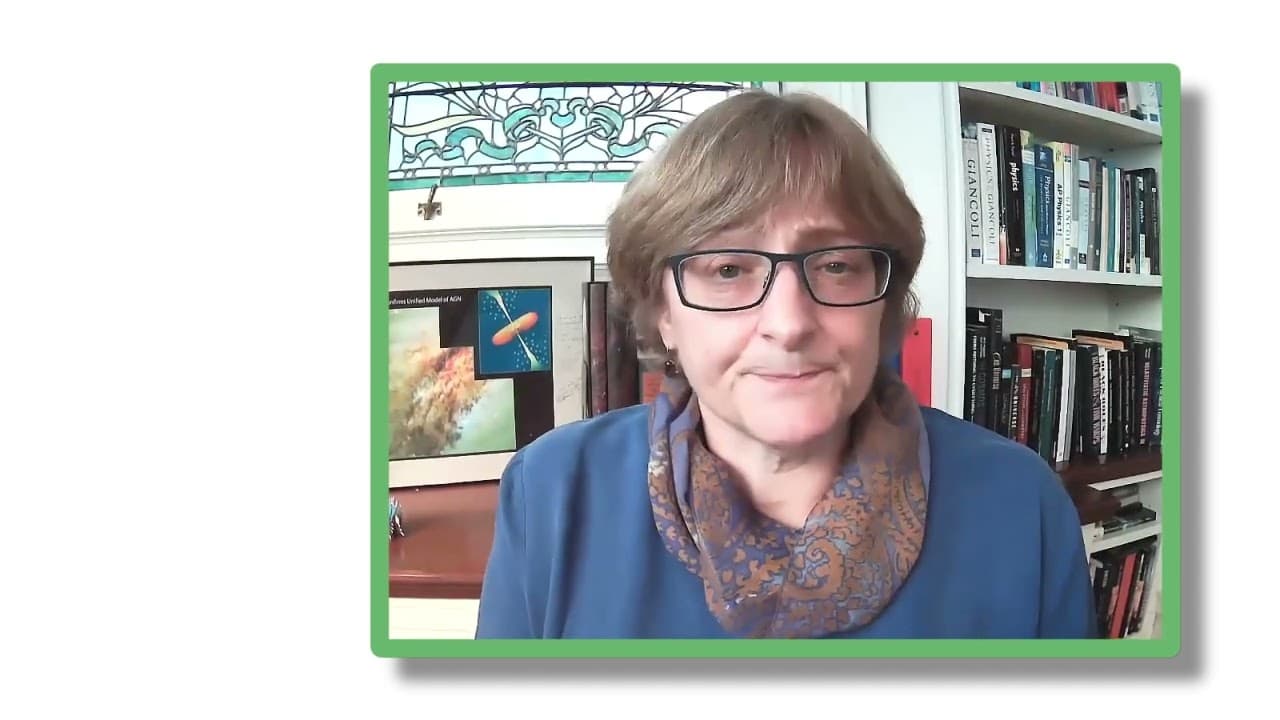
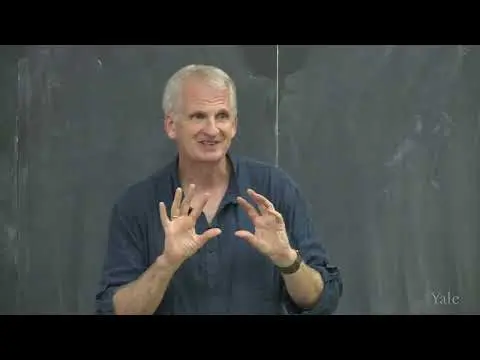
foreign who is Israel Munson professor of physics and astronomy and the director of the Yale Center for astronomy and astrophysics we're going to be able to talk about a really fascinating subject which is looking at women in the professional world and particularly your journey as a woman in science and you're one of the rare people where the sayin... Read More
Key Insights
- 🤦♀️ Women in science often face biases and stereotypes that hinder their progress and recognition.
- 👨👩👦 The pressure to prioritize family can create additional challenges for women pursuing careers in scientific fields.
- 🧔♀️ A supportive and inclusive environment, along with increased representation and role models, can help women overcome these obstacles and succeed in science.
- 🧔♀️ Removing barriers and biases is essential for unlocking the full potential of women in scientific disciplines.
- 🥺 Emphasizing the importance of diversity and inclusivity can lead to greater innovation and progress in scientific research.
- 🤳 Encouraging confidence and self-belief in women pursuing scientific careers is crucial for retaining their talent in the field.
- 🧔♀️ Society's perception of women's abilities in STEM fields needs to change to promote equality and provide equal opportunities for all.
Install to Summarize YouTube Videos and Get Transcripts
Explore YouTube Video Summarizer or Get YouTube Transcript Extractor
Questions & Answers
Q: Why do women face particular challenges in the field of science?
Women face challenges in the field of science due to biases and stereotypes that perpetuate the idea that they are less competent or capable than men. This perception hinders their confidence and opportunities for advancement.
Q: How does societal pressure to prioritize family affect women's careers in science?
Societal expectations for women to prioritize family responsibilities often result in women having to choose between their careers and personal life. This can lead to female scientists leaving the profession or not pursuing opportunities that might conflict with their family commitments.
Q: How can a more inclusive and supportive environment benefit women in science?
By creating a more inclusive and supportive environment, women in science can feel more empowered and confident in their abilities, leading to higher retention rates and greater contributions to the field. Additionally, diverse perspectives and experiences can foster innovation and problem-solving.
Q: What role do role models and representation play in supporting women in science?
Having visible role models and increased representation of women in scientific fields can inspire and motivate aspiring female scientists. Seeing others who have succeeded despite similar challenges can help women overcome self-doubt and envision a path for their own success.
Summary & Key Takeaways
-
Women in the field of science, including physics and astronomy, face challenges and biases that prevent them from fully expressing their talents and abilities.
-
The perception of women as less competent or less capable in male-dominated fields contributes to a lack of confidence and self-doubt among female scientists.
-
The societal expectation for women to prioritize family over their careers further hinders their progress in the professional world.
-
An equitable and supportive environment, along with increased representation and role models, can help women overcome these barriers and succeed in science.
Read in Other Languages (beta)
Share This Summary 📚
Summarize YouTube Videos and Get Video Transcripts with 1-Click
Try YouTube Summary with ChatGPT & Claude or YouTube Transcript Generator
Explore More Summaries from YaleCourses 📚

Summarize YouTube Videos and Get Video Transcripts with 1-Click
Try YouTube Summary with ChatGPT & Claude or YouTube Transcript Generator