How to Prevent Alzheimer's and Dementia
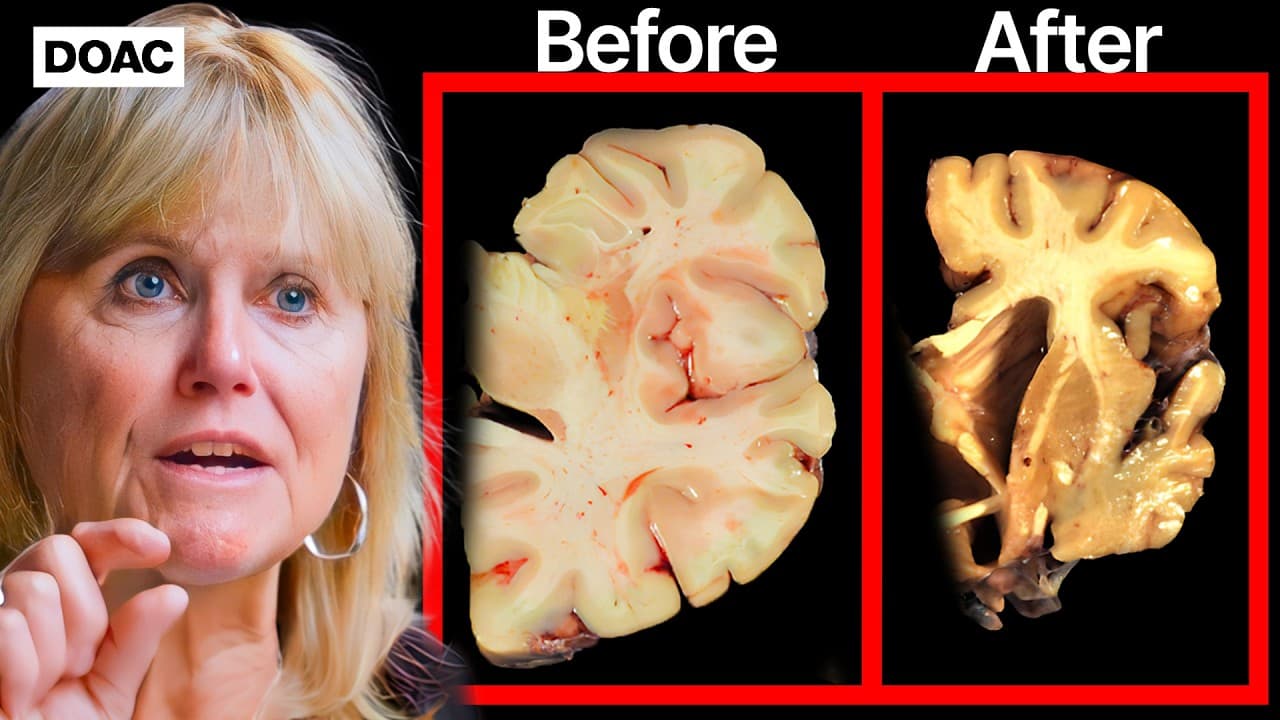
TL;DR
To reduce the risk of Alzheimer's and dementia, maintain a healthy lifestyle with regular physical activity, mental challenges, and a balanced diet. Avoiding high blood sugar, managing stress, and ensuring adequate sleep are crucial. Inflammation and small vessel disease in the brain are key factors in neurodegeneration, so protecting vascular health is essential.
Transcript
you mentioned that you've looked at lots of brains of people that have Alzheimer's bit of a dumb question but what is the difference between Alzheimer's and Dementia or is it the same thing yeah that it's a great question because everybody is confused so dementia is sort of this general term it's dementia which means the loss of your mental abiliti... Read More
Key Insights
- Dementia is a general term for the loss of mental abilities, with Alzheimer's being the most common age-related cause.
- Staying socially connected and mentally active can build cognitive reserve, which helps mitigate dementia symptoms.
- Physical fitness and cardiovascular health are closely linked to reducing Alzheimer's risk.
- High blood sugar and diabetes can accelerate Alzheimer's disease progression.
- Inflammation in the brain is a significant promoter of neurodegenerative diseases.
- Sleep is crucial for clearing harmful substances from the brain, supporting cognitive health.
- Trauma and poor vascular health, such as high blood pressure, can lead to brain inflammation.
- Parents should consider non-contact sports for children to minimize the risk of brain injuries.
Install to Summarize YouTube Videos and Get Transcripts
Explore YouTube Video Summarizer or Get YouTube Transcript Extractor
Questions & Answers
Q: How to reduce the risk of Alzheimer's disease?
Reducing the risk of Alzheimer's involves maintaining a healthy lifestyle, including regular physical activity, mental challenges, and a balanced diet. Avoiding high blood sugar and managing stress are crucial, as these factors can exacerbate the disease. Ensuring adequate sleep is also important, as it helps clear harmful substances from the brain.
Q: What is the difference between Alzheimer's and dementia?
Dementia is a general term for the loss of cognitive abilities, while Alzheimer's is the most common age-related cause of dementia. Alzheimer's is characterized by specific pathological changes in the brain, whereas dementia can result from various conditions, including Parkinson's disease and frontotemporal lobar degeneration.
Q: Why is cognitive reserve important in dementia?
Cognitive reserve refers to the brain's resilience against damage and disease. Maintaining a high cognitive reserve through mental challenges and social connections can help individuals circumvent areas of brain injury and reduce the symptoms of dementia, even if pathological changes are present.
Q: How does inflammation affect brain health?
Inflammation is a significant promoter of neurodegenerative diseases like Alzheimer's and CTE. It can result from various insults to the brain, such as damaged blood vessels. Managing inflammation is crucial, as it can accelerate the progression of these diseases by facilitating neurodegeneration.
Q: What role does sleep play in brain health?
Sleep is vital for brain health because it activates the brain's clearance system, which removes harmful substances. During sleep, the brain drains noxious chemicals, reducing the risk of cognitive decline. Adequate sleep is essential for maintaining overall brain function and preventing neurodegenerative diseases.
Q: How can vascular health impact Alzheimer's disease?
Vascular health is closely linked to Alzheimer's disease, as small vessel disease can accelerate its progression. Maintaining healthy blood vessels through regular exercise, a balanced diet, and managing blood pressure is essential. Damaged vessels can lead to inflammation and reduced oxygenation, exacerbating neurodegeneration.
Q: What should parents consider about children's sports and brain health?
Parents should consider non-contact sports to minimize the risk of brain injuries in children. If contact sports are chosen, it's important to ensure coaches are knowledgeable about concussion risks and that children are physically prepared for impacts. Delaying full-contact play until physical maturity can reduce injury risks.
Q: What are the early changes associated with neurodegenerative diseases?
Early changes in neurodegenerative diseases include vascular changes and inflammation. Damage to small blood vessels and increased inflammation can promote neurodegeneration. Identifying and managing these early changes is crucial for preventing or delaying the onset of diseases like Alzheimer's and CTE.
Summary & Key Takeaways
-
Alzheimer's is the most common cause of dementia, a condition characterized by the loss of cognitive abilities. Maintaining cognitive reserve through mental challenges and social connections can help mitigate symptoms. Physical fitness and cardiovascular health are essential in reducing the risk of Alzheimer's, as high blood sugar and diabetes can exacerbate the disease.
-
Inflammation and small vessel disease in the brain are critical factors in the development of neurodegenerative diseases like Alzheimer's and CTE. Protecting the brain's blood vessels from damage and maintaining overall vascular health can help prevent these conditions.
-
Adequate sleep is vital for brain health as it aids in the removal of harmful substances. Parents should encourage children to engage in non-contact sports to reduce the risk of brain injuries, while ensuring coaches are educated on the risks of concussions and head impacts.
Read in Other Languages (beta)
Share This Summary 📚
Summarize YouTube Videos and Get Video Transcripts with 1-Click
Try YouTube Summary with ChatGPT & Claude or YouTube Transcript Generator
Explore More Summaries from The Diary Of A CEO Clips 📚






Summarize YouTube Videos and Get Video Transcripts with 1-Click
Try YouTube Summary with ChatGPT & Claude or YouTube Transcript Generator