How to Choose Functional Shoes for Foot Health
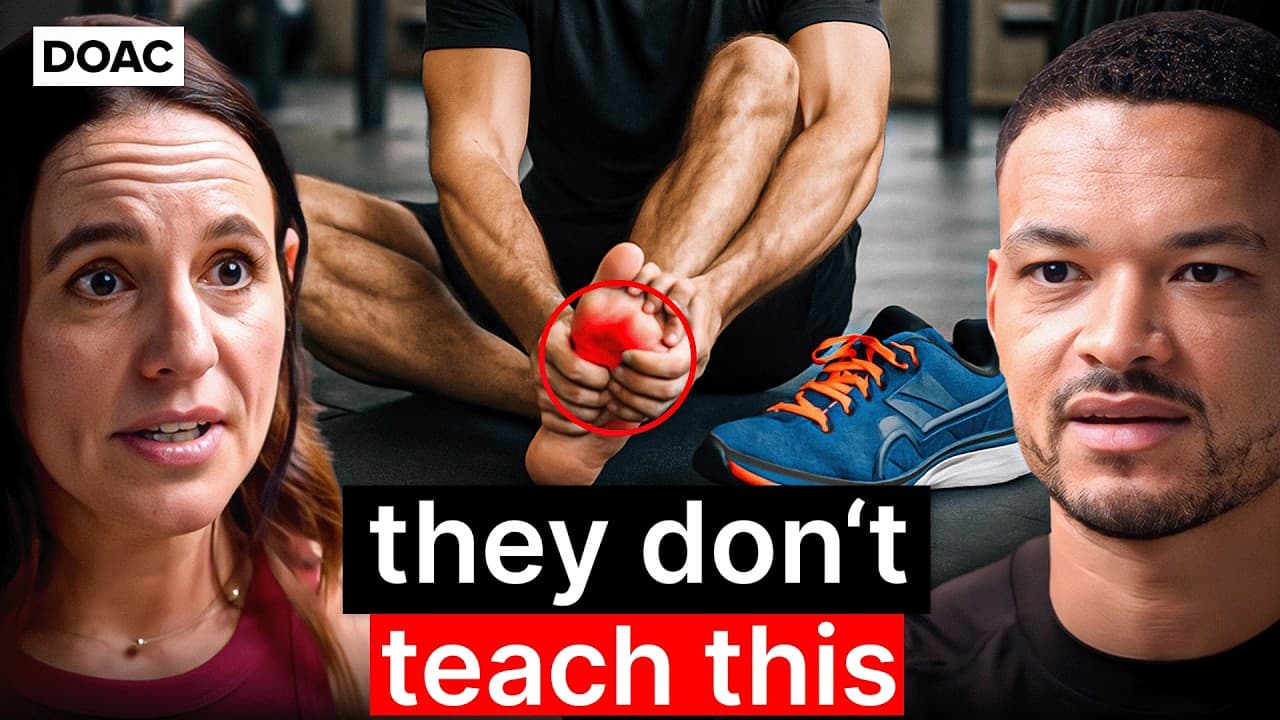
TL;DR
To improve foot health, choose shoes with a wide toe box, zero drop, and flexibility. Transition gradually from cushioned shoes to minimalist footwear to strengthen feet and prevent injuries. Incorporate foot exercises and use tools like toe spacers to enhance strength and mobility.
Transcript
Let's talk about um the things you want to look for in a functional shoe. My non-negotiable was the wide toe box. The toes have to be able to spllay. When you think of all the diagnoses that we talked about, bunyions, nuromomas, hammer toes, when the forefoot can spllay, the foot's going to function better. So that's number one. Number two is havin... Read More
Key Insights
- A wide toe box allows toes to splay, improving foot function and reducing conditions like bunions and neuromas.
- Zero drop shoes, where the heel and toe are on the same plane, promote better foot mechanics.
- Thin, flexible shoes strengthen feet by increasing load through tissues, bones, and muscles.
- Transitioning to minimalist shoes should be gradual to avoid injury; start with short durations.
- Toe spring in shoes weakens foot muscles over time; use such shoes sparingly.
- Walking 9,800 steps daily can significantly reduce dementia risk, with 3,800 steps providing half the benefit.
- Social walking groups improve emotional health and combat loneliness among the elderly.
- Toe spacers and foot exercises enhance foot strength and alignment, supporting overall body mechanics.
Install to Summarize YouTube Videos and Get Transcripts
Explore YouTube Video Summarizer or Get YouTube Transcript Extractor
Questions & Answers
Q: How to choose shoes for better foot health?
Choose shoes with a wide toe box to allow toes to splay, which improves foot function. Opt for zero drop shoes where the heel and toe are on the same plane to promote natural foot mechanics. Ensure the shoes are thin and flexible to strengthen the foot by increasing load through tissues, bones, and muscles.
Q: What is the importance of a wide toe box in footwear?
A wide toe box allows the toes to splay naturally, which improves foot function and reduces the risk of conditions like bunions, neuromas, and hammer toes. This design helps distribute pressure more evenly across the foot, enhancing balance and stability while reducing the likelihood of injury.
Q: Why is zero drop important in shoes?
Zero drop shoes, where the heel and toe are on the same plane, promote natural foot mechanics and alignment. This design encourages a more natural gait, reducing stress on the foot and lower extremities. It helps in strengthening the foot muscles and can prevent injuries associated with elevated heel footwear.
Q: How can minimalist shoes benefit foot health?
Minimalist shoes, which are thin and flexible, increase the load through the foot's tissues, bones, and muscles, thereby strengthening them. This type of footwear encourages natural movement and can improve proprioception, balance, and overall foot function, reducing the risk of injuries over time.
Q: What are the risks of transitioning too quickly to minimalist shoes?
Transitioning too quickly to minimalist shoes can lead to injuries such as plantar fasciitis or heel pain, as the foot may not be accustomed to the increased load and lack of cushioning. A gradual transition, starting with short durations and incorporating foot strengthening exercises, is recommended to safely adapt.
Q: How does walking impact dementia risk?
Walking 9,800 steps daily can significantly reduce the risk of dementia, with 3,800 steps providing about 50% of the maximal benefit. Regular walking promotes cardiovascular health, supports cognitive function, and enhances emotional well-being, making it a simple yet effective way to mitigate dementia risk.
Q: What role do social walking groups play in health?
Social walking groups offer physical and emotional benefits by providing a platform for regular exercise and social interaction. They help combat loneliness and feelings of isolation, especially in the elderly, and improve emotional health through enhanced social connections and support, fostering a sense of community.
Q: How do toe spacers and foot exercises improve foot health?
Toe spacers and foot exercises enhance toe splay and strength, improving alignment and function. These tools help in correcting deformities, increasing foot mobility, and strengthening intrinsic foot muscles. Regular use can lead to better posture, reduced pain, and prevention of common foot ailments, supporting overall body mechanics.
Summary & Key Takeaways
-
Foot health is crucial for overall well-being, and choosing the right shoes is a key factor. Shoes with a wide toe box, zero drop, and flexibility promote better foot mechanics and reduce the risk of injuries like plantar fasciitis. Gradual transition from cushioned to minimalist shoes is important to strengthen the feet.
-
Frequent movement, such as walking 9,800 steps daily, can reduce dementia risk and improve emotional health. Social walking groups offer additional benefits by enhancing social connections and combating loneliness. The right footwear supports these activities by ensuring proper foot function.
-
Using tools like toe spacers and engaging in foot exercises can improve toe splay and strength, enhancing overall foot health. These practices support better posture and body mechanics, preventing injuries and promoting a healthier lifestyle.
Read in Other Languages (beta)
Share This Summary 📚
Summarize YouTube Videos and Get Video Transcripts with 1-Click
Try YouTube Summary with ChatGPT & Claude or YouTube Transcript Generator
Explore More Summaries from The Diary Of A CEO Clips 📚





Summarize YouTube Videos and Get Video Transcripts with 1-Click
Try YouTube Summary with ChatGPT & Claude or YouTube Transcript Generator