Lecture 12: Business and Democratic Reform: A Case Study of South Africa
TL;DR
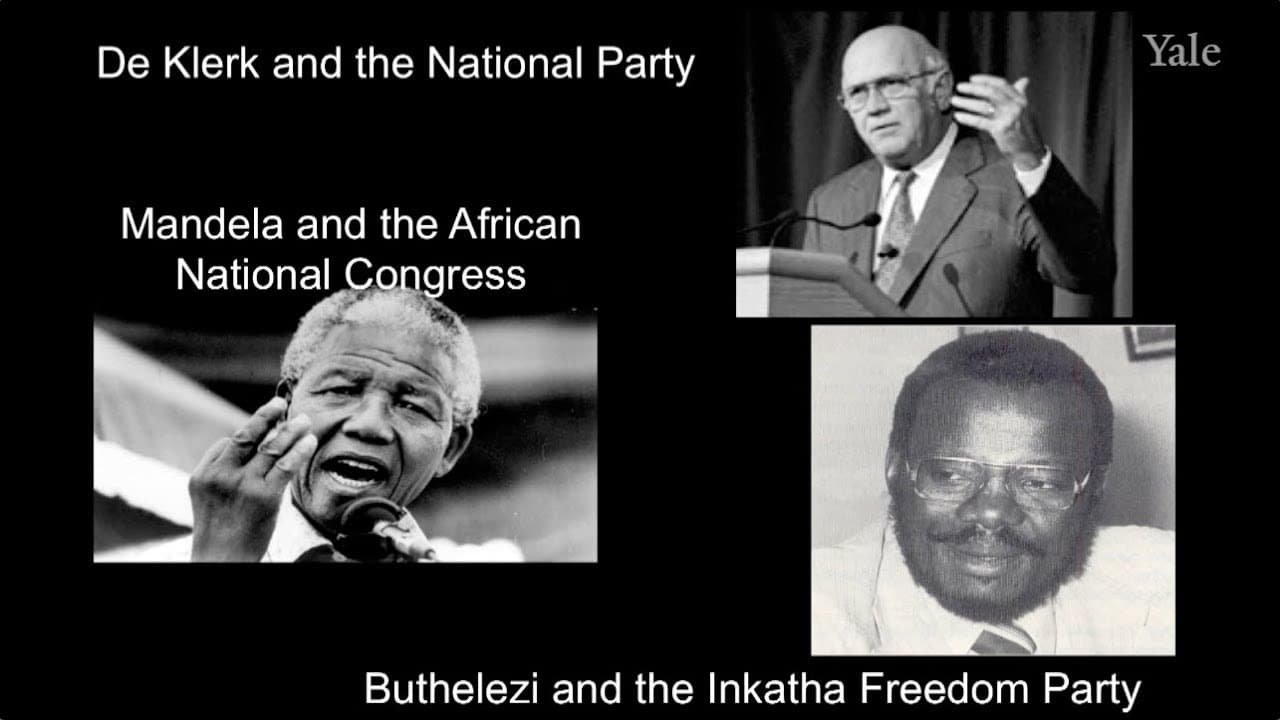
Business played a crucial role in facilitating the peaceful transition from apartheid to democracy in South Africa, managing potential spoilers, and working to build support for the new regime.
Transcript
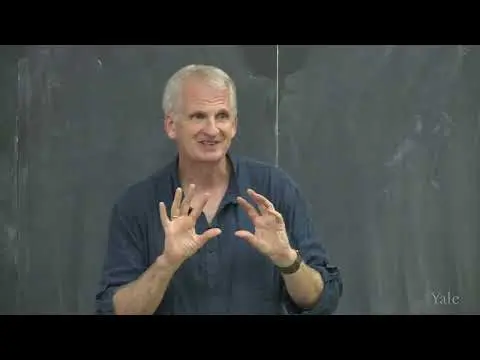
- So today we're gonna talk about what I advertised on last Thursday as the backstory behind the South African transition. Or at least part of the backstory that involved business. And this is the first of several classes in the second half of the course where we gonna turn the lights up on business. We talked a lot about the declining fortunes of ... Read More
Key Insights
- 🇿🇦 Business leaders in South Africa played a significant and unique role in facilitating the transition from apartheid to democracy, acting as intermediaries, negotiators, and conveners.
- 🫱 Their involvement helped avoid a civil war scenario and ensured that negotiations and agreements were reached between the government and the ANC.
- 🇿🇦 Business leaders sought to influence the ANC's economic policies, promoting a market-oriented approach and integrating South Africa into the global economic order.
Install to Summarize YouTube Videos and Get Transcripts
Explore YouTube Video Summarizer or Get YouTube Transcript Extractor
Questions & Answers
Q: How did business leaders in South Africa manage potential spoilers during the transition from apartheid to democracy?
Business leaders engaged in shuttle diplomacy and crisis management to address the concerns and demands of groups like Inkatha Freedom Party, ensuring their participation in negotiations, and ultimately the democratic elections. They played a crucial role in defusing tensions and finding common ground between conflicting parties.
Q: What role did business leaders play in building civil society support for the new regime?
Business leaders worked with church groups and other organizations to organize meetings, discussions, and outreach programs to promote democratic values, economics, and reconciliation. They sought to address concerns, explain possible scenarios, and contribute to a stable and prosperous future for all South Africans.
Q: Did business leaders face any challenges or backlash for their involvement in politics during the transition?
Yes, business leaders faced criticism from various quarters, including the government and some anti-apartheid activists, for engaging with the ANC and other banned organizations. However, they persevered and believed that their actions were necessary for a peaceful transition and the long-term stability and development of the country.
Q: Did business leaders use their influence to shape economic and social policies in post-apartheid South Africa?
Yes, the business community played a significant role in shaping economic policies, advocating for market-oriented reforms, and contributing to the country's economic growth. However, there are ongoing debates about the benefits and drawbacks of these policies, including high levels of inequality, unemployment, and poverty.
Summary & Key Takeaways
-
Business leaders in South Africa, including conglomerates like Anglo-American, played a key role in advocating for democratic transition and avoiding a civil war during the apartheid era.
-
They formed the Consultative Business Movement (CBM) and acted as intermediaries, conveners, and negotiators in talks between the government, the ANC, and other stakeholders, ensuring that negotiations proceeded and agreements were reached.
-
By creating relationships with the leadership of the ANC and other groups, business leaders sought to influence the transition process, promote a market-oriented democracy, and establish South Africa as part of the global economic order.
Read in Other Languages (beta)
Share This Summary 📚
Summarize YouTube Videos and Get Video Transcripts with 1-Click
Try YouTube Summary with ChatGPT & Claude or YouTube Transcript Generator
Explore More Summaries from YaleCourses 📚

Summarize YouTube Videos and Get Video Transcripts with 1-Click
Try YouTube Summary with ChatGPT & Claude or YouTube Transcript Generator