How Does Going Alcohol-Free Improve Your Life?
TL;DR
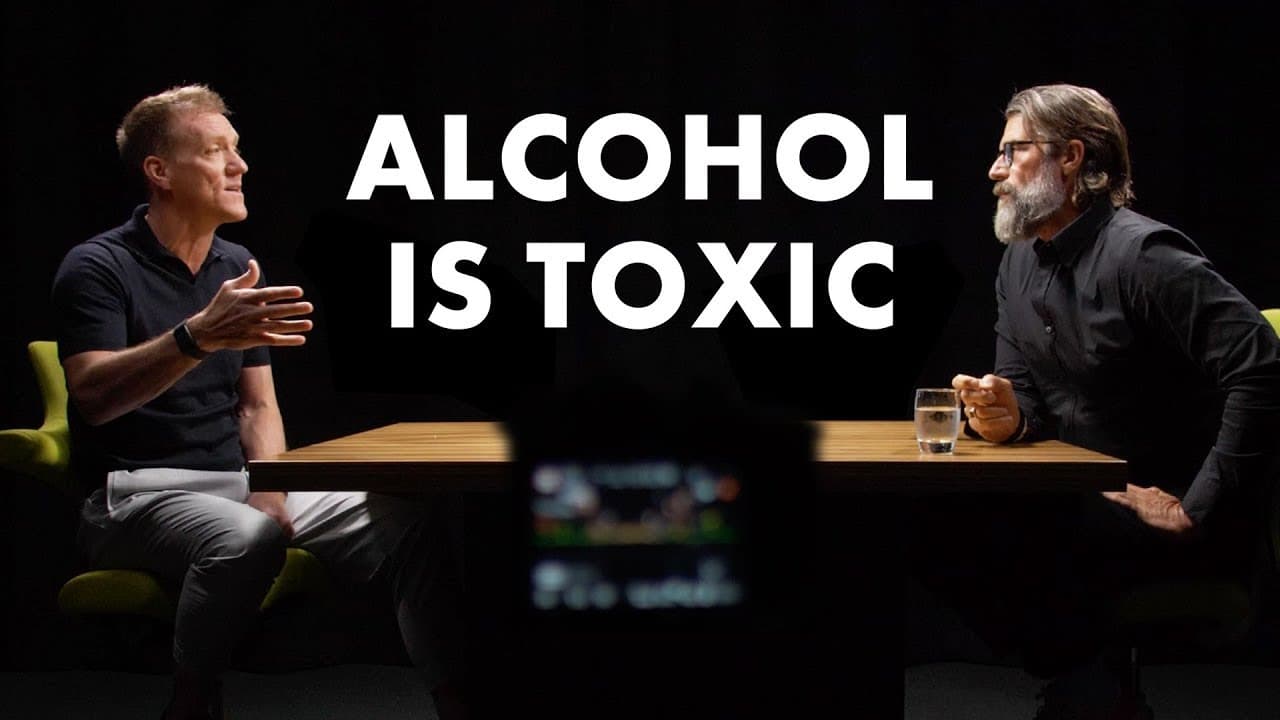
Taking a break from alcohol can reveal improvements in sleep, mood, exercise consistency, nutrition, relationships, health, and personal ambition, even for people who do not identify as dependent. Andy Ramage argues that growing communities and better alcohol-free alternatives are making this lifestyle more accessible, while preparation for setbacks helps people turn an experiment into sustainable change.
Transcript
what alcohol promises it takes away so much more and what alcohol free gives you it gives you a thousand times more my relationship's blossomed at home I was fit again healthy again my Sparkle would come back again it was just such a transformational experience that I thought I've got to share this my guest today is Andy romage a former professiona... Read More
Key Insights
- The middle lane is the broad group between severe alcohol dependence and complete abstinence, ranging from occasional drinkers to people who drink during the week and consume more on weekends. Ramage directs his alcohol-free message primarily toward this historically underserved population.
- Alcohol can negatively affect people who do not identify as addicted or dependent. Ramage says middle-lane drinking may disturb sleep, increase irritability, reduce motivation to exercise, undermine consistent nutrition, and keep mental health below the level a person wants.
- An alcohol-free break is a practical way to test whether drinking still serves a person. Ramage emphasizes that people may never discover the benefits available to them unless they temporarily change their behavior and directly compare life with and without alcohol.
- Alcohol-free living can support improvements across several areas at once. Ramage connects his own transformation with better health, renewed fitness, restored personal energy, and stronger relationships at home, describing these combined changes as the reason he began sharing the lifestyle with others.
- Preparing for setbacks is an important part of behavior change. Ramage says people learn more from getting things wrong than from getting them right, so his coaching helps participants anticipate difficult moments and respond constructively when their alcohol-free plans do not proceed perfectly.
- Community makes alcohol-free living more accessible by showing people they are not alone. As more participants adopt the lifestyle, newcomers gain social support, visible examples, and easier entry points into a choice that once appeared limited to people with severe drinking problems.
- The alcohol-free drinks industry reflects growing demand for alternatives. Ramage says the industry grew by about 500% during the five years following his earlier conversation with Rich Roll, while alcohol-free products also became available in settings as traditional as an Irish pub.
- Alcohol-free living can strengthen consistency and turn intentions into action. Ramage contrasts people who discuss ambitions in pubs without pursuing them with people who stop drinking, regain focus, and become what he calls dreamers of the day, individuals who actively make their plans real.
Install to Summarize YouTube Videos and Get Transcripts
Explore YouTube Video Summarizer or Get YouTube Transcript Extractor
Questions & Answers
Q: What is the middle lane of alcohol consumption?
The middle lane includes everyone who drinks but does not identify as severely dependent, while also excluding people who are completely abstinent. It ranges from occasional drinkers to binge drinkers and people who have two or three drinks during the week and several more on weekends. Andy Ramage argues that this group has been underserved because alcohol was traditionally discussed as a binary issue: either someone had a serious problem or they did not.
Q: How can going alcohol-free improve everyday life?
Going alcohol-free may improve sleep, mood, exercise consistency, nutrition, mental health, physical fitness, relationships, and a person's sense of energy or sparkle. Ramage says these benefits became visible through his own experience, when his relationships at home blossomed and he became fit and healthy again. His central point is that removing alcohol can reveal costs that remained difficult to notice while drinking continued as a normal habit.
Q: Why should moderate drinkers consider an alcohol-free break?
Moderate or occasional drinkers may experience negative effects without recognizing alcohol as the cause. Ramage says one or two drinks during the week, followed by more on weekends, can still interfere with sleep, increase irritability, weaken motivation to exercise, disrupt nutrition, and affect mental health. A temporary break gives people direct evidence about whether alcohol is serving them and whether daily life improves in its absence.
Q: How should people handle setbacks while changing their drinking habits?
People should expect that behavior change may not proceed perfectly and prepare in advance for moments when their plans go wrong. Ramage says people often learn more from mistakes than from successes, which is why preparing clients for setbacks is one of the most important parts of his coaching. This approach treats a lapse as useful information about triggers and habits, rather than proof that an alcohol-free lifestyle is impossible.
Q: Why is community important for alcohol-free living?
Community gives people evidence that choosing not to drink is a shared lifestyle rather than an isolating response to a severe problem. Rich Roll notes that each new participant creates an easier on-ramp for others because newcomers can see that they are not alone. Ramage's work focuses on building this broader alcohol-free space for middle-lane drinkers, giving them language, support, and visible alternatives to established drinking culture.
Q: How is alcohol-free culture changing traditional social settings?
Alcohol-free options are becoming available in places strongly associated with traditional drinking culture. Ramage describes entering a pub in Adare, Ireland, saying that he did not drink, and immediately being told that many alcohol-free alternatives were available. For him, that response showed a meaningful cultural shift: abstinent customers could participate in a familiar social setting without having to accept alcohol or struggle to find a suitable drink.
Q: What does the growth of alcohol-free brewing indicate?
The growth of alcohol-free brewing indicates that demand was larger than established industry participants initially believed. Ramage says the alcohol-free drinks industry grew by about 500% over the five years following his earlier podcast conversation. Rich Roll also discusses Athletic Brewing, whose founder encountered skepticism that anyone wanted nonalcoholic beer, yet built a company described in the conversation as potentially worth a billion dollars.
Q: How can avoiding alcohol help people pursue their goals?
Avoiding alcohol can help people become more consistent, focused, and willing to act on ambitions. Ramage contrasts pub conversations about plans that never happen with alcohol-free people who turn dreams into reality. He links this change to restored energy and consistency, and points to entrepreneurs in the alcohol-free brewing industry as examples of people who attribute part of their success to not drinking and following through repeatedly.
Summary & Key Takeaways
-
Andy Ramage describes the middle lane as everyone between severe alcohol dependence and complete abstinence, including occasional and weekend drinkers. He argues that this large group has been underserved because conversations about alcohol traditionally treated drinking as either a serious problem or no problem at all, leaving subtler harms largely unexamined.
-
For middle-lane drinkers, even modest or occasional alcohol consumption may affect sleep, mood, motivation to exercise, nutrition, mental health, and relationships. Ramage presents an alcohol-free break as a practical experiment that allows people to compare their expectations about drinking with the physical, emotional, and behavioral changes they experience without it.
-
The alcohol-free movement is becoming more visible through supportive communities, changing attitudes among younger people, alcohol-free options in traditional pubs, and rapid commercial growth. Ramage believes reduced drinking can also restore consistency, ambition, and action, helping people move beyond talking about their goals and begin making those goals real.
Read in Other Languages (beta)
Share This Summary 📚
Summarize YouTube Videos and Get Video Transcripts with 1-Click
Try YouTube Summary with ChatGPT & Claude or YouTube Transcript Generator
Explore More Summaries from Rich Roll 📚


Summarize YouTube Videos and Get Video Transcripts with 1-Click
Try YouTube Summary with ChatGPT & Claude or YouTube Transcript Generator