What Makes South Korea a Warning to Global Beauty
TL;DR
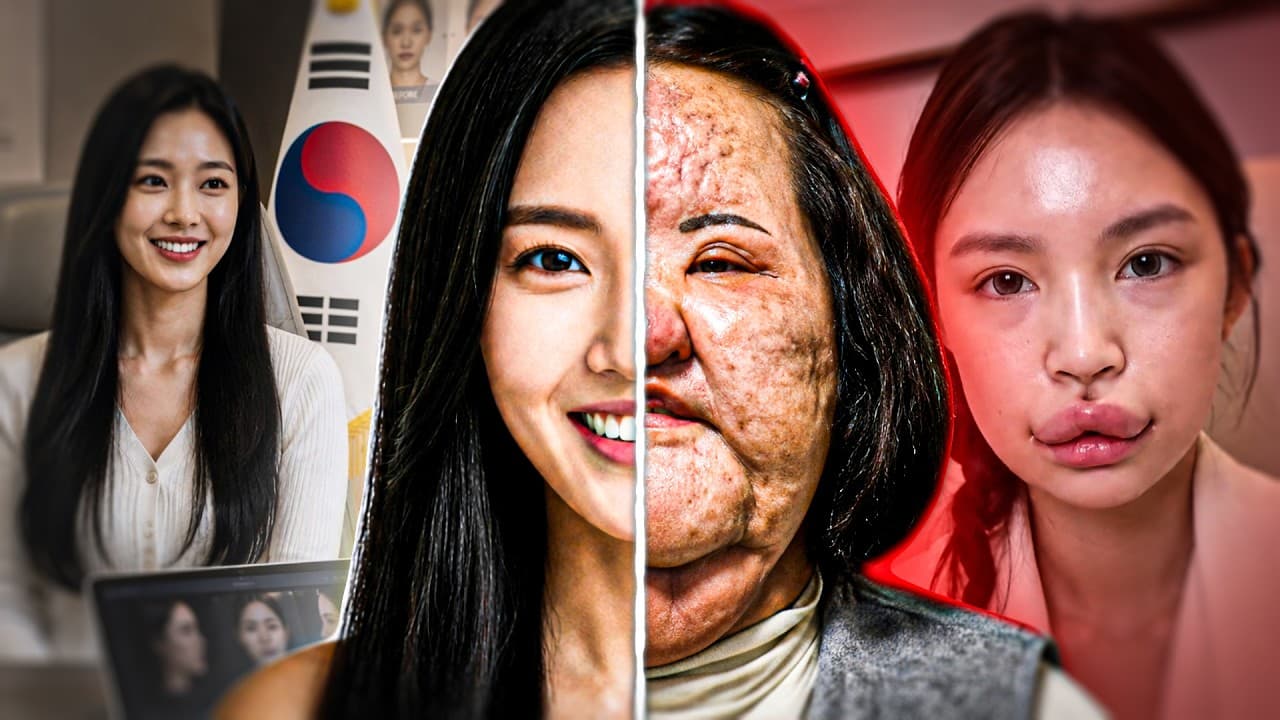
Cosmetic surgery culture in Korea is heavily normalized and driven by economic and social pressures, with lax medical regulations and aggressive marketing that heightens risk. Ghost surgeries, accidental fatalities, and high doctor negligence charges reveal a system where safety is compromised for appearance and employment advantage; CCTV in operating rooms is proposed as a preventive measure.
Transcript
What does the average person do when they don't like their face? For most of human history, the answer was probably nothing. Today, the answer is something else. And nowhere has the answer been pushed harder or further than in one country that built a toxic culture surrounding looks and image decades before anyone else. South Korea has the highest ... Read More
Key Insights
- Cosmetic surgery is treated as a social and employment asset, driving a demand that exceeds safety norms.
- The industry is plagued by negligent practices, including ghost surgeries and improper consent handling.
- Regulatory enforcement is weak and sometimes undermined by professional associations and lobbying.
- There are documented cases of severe harm from procedures, highlighting systemic risk.
- Public spaces and media reinforce a single ideal of beauty that fuels pressure to modify appearance.
- Travel and tourism for cheaper procedures contribute to a larger global trend of appearance-based consumerism.
- Technological and medical oversight gaps enable easy entry for diverse professionals to perform cosmetic work.
- Proposed solutions like CCTV in operating rooms aim to deter malpractice and improve accountability.
Install to Summarize YouTube Videos and Get Transcripts
Explore YouTube Video Summarizer or Get YouTube Transcript Extractor
Questions & Answers
Q: What is driving the high demand for cosmetic surgery in South Korea?
The high demand is driven by a society where appearance is a key competitive factor in education and employment. Jobs often require appearance disclosures, and even minor physical traits can affect hiring, leading people to pursue procedures as a perceived edge. This social pressure helps explain why millions seek procedures abroad and at home.
Q: What are ghost surgeries and why are they problematic?
Ghost surgeries occur when the patient is under anesthesia and a substitute surgeon performs the operation, often with little or no experience. This practice greatly increases the risk of surgical errors, negligence, and harm, and it highlights systemic vulnerabilities in clinic oversight and consent processes.
Q: How does CCTV in operating rooms relate to patient safety?
CCTV in operating rooms is proposed as a preventive measure to deter negligence, sexual assault, and unauthorized organ harvesting. By recording procedures, hospitals can hold staff accountable, reduce the likelihood of ghost surgeries, and improve overall patient safety through transparent auditing.
Q: What role does government regulation play in this issue?
Government regulation has aimed to tighten rules, but enforcement is patchy and sometimes limited by industry lobbying. Medical associations argue that stricter penalties could threaten the profession, creating a tension between patient safety and industry interests, which perpetuates risk for patients.
Q: How has the public image of Korean cosmetic surgery affected global perception?
Korean cosmetic surgery has become a model of modern, advanced healthcare, attracting medical tourism and international clients who seek high-quality results at lower costs. This image sustains demand but can obscure safety concerns and the true risk profile of procedures.
Q: What kinds of harms have been documented from cosmetic procedures in Korea?
Harms include fatalities from jawline and nose surgeries, coma after liposuction, foreign material injections leading to disfigurement, and long-term health complications. These cases illustrate the real dangers of lax oversight and aggressive marketing that undervalues patient safety.
Q: Why is the education economy linked to looks in Korea?
The education economy pressures individuals to optimize all aspects of their profile, including appearance, to compete for jobs. Picture-perfect traits are marketed as essential, pushing people toward cosmetic alterations as a pathway to professional success and social acceptance.
Q: What potential reforms could reduce cosmetic surgery risks in Korea?
Potential reforms include stricter licensing for who can perform procedures, mandatory informed consent standards, routine CCTV auditing, transparent reporting of adverse events, and stronger penalties for negligence. These changes could reduce ghost surgeries and enhance patient protection while balancing industry needs.
Summary & Key Takeaways
-
Korean society uses looks as a competitive edge in employment, education, and social status, creating a pervasive pressure to conform to a flawless image.
-
The industry faces significant safety issues, including ghost surgeries, unauthorized procedures, and high rates of professional negligence among doctors.
-
Policy responses include CCTV in operating rooms and stricter regulations, yet enforcement remains uneven and industry lobbying protects clinics while tightening rules.
-
The public perception of cosmetic surgery is shaped by media and entertainment, making cosmetic enhancements almost a norm for entry into certain careers and social circles.
-
International medical tourism to Korea is fueled by cost and perceived quality, despite documented risks and cases of severe harm.
-
There are alarming anecdotes of individuals subjected to extreme procedures leading to disfigurement, death, or lifelong complications.
-
Efforts to curb the trend include higher transparency in clinics, and potential reforms to prevent exploitation and protect patients.
Read in Other Languages (beta)
Share This Summary 📚
Summarize YouTube Videos and Get Video Transcripts with 1-Click
Try YouTube Summary with ChatGPT & Claude or YouTube Transcript Generator
Explore More Summaries from Moon 📚


Summarize YouTube Videos and Get Video Transcripts with 1-Click
Try YouTube Summary with ChatGPT & Claude or YouTube Transcript Generator